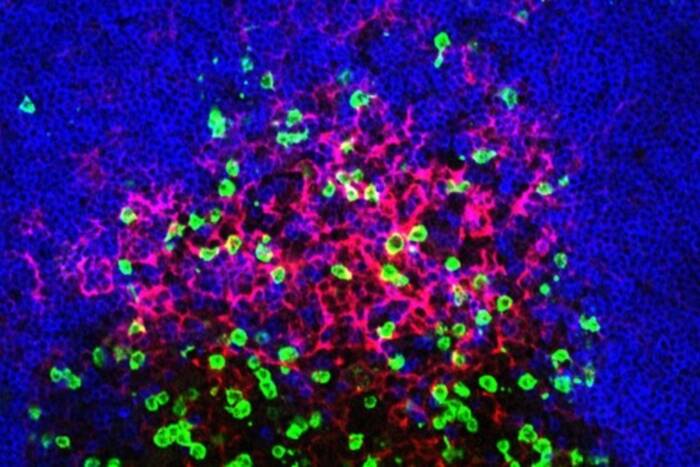
New research solves the mystery of how two different types B cells work in tandem to fight off re-infections, with implications for vaccine boosting strategies.
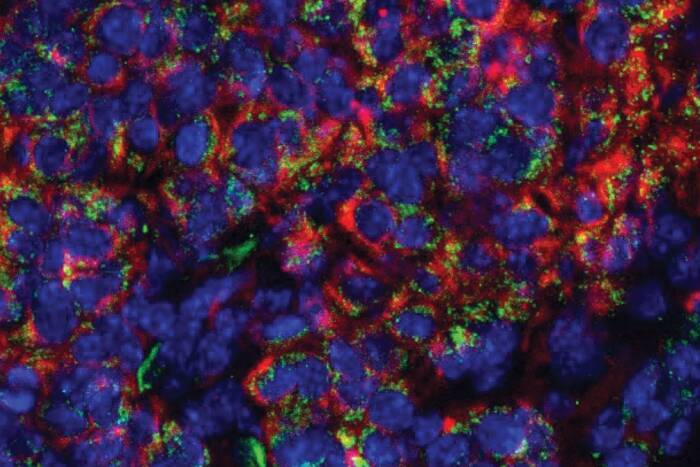
New findings on how past viral respiratory infections affect future, unrelated ones could lead to therapies for boosting general antiviral immunity—and potentially better pandemic preparedness.
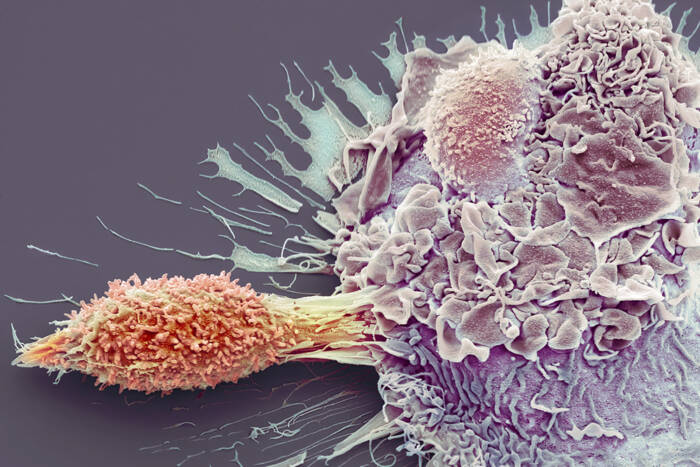
New study demonstrates that one type of lipid is so critical for immune evasion that certain cancers cannot proliferate without them. Modulating intake of dietary lipids could open up an avenue for treatment.
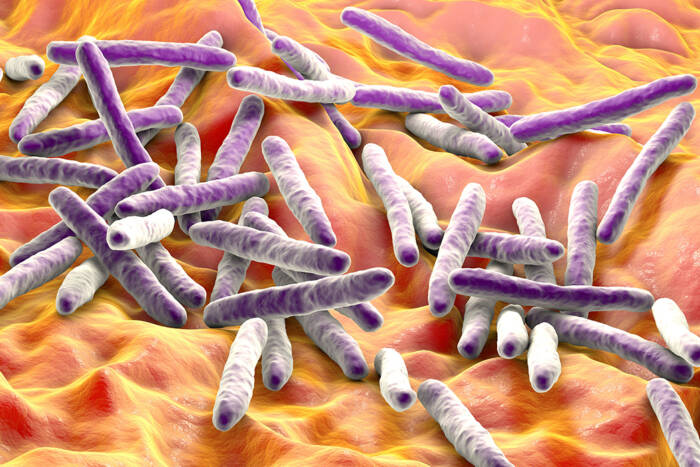
The study explains why treatments for many autoimmune and inflammatory diseases raise the risk of contracting TB—and also upends long-held assumptions about what kicks off an immune response.