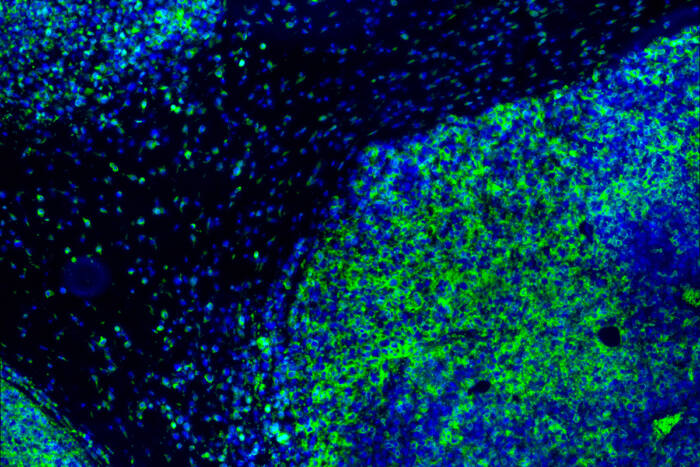
The novel technique may offer panoramic view into the mechanisms of many diseases and the enigma of aging.

The better a songbird is at working its way around obstacles to retrieve a snack, the more complex its vocal learning ability will be.

As with many cutting-edge therapies, we know more about the drug's effectiveness than we do about how it actually operates. A new study reveals a possible mechanism for its impact on patients.

Patients with a specific cocktail of COVID exposure had the highest level of antibodies against SARS-CoV-2 and its variants, which also provided a strong immunological shield for their babies.

In skin, some aberrant adult epidermal stem cells turn on SOX9, kickstarting a process that ultimately activates cancer genes.

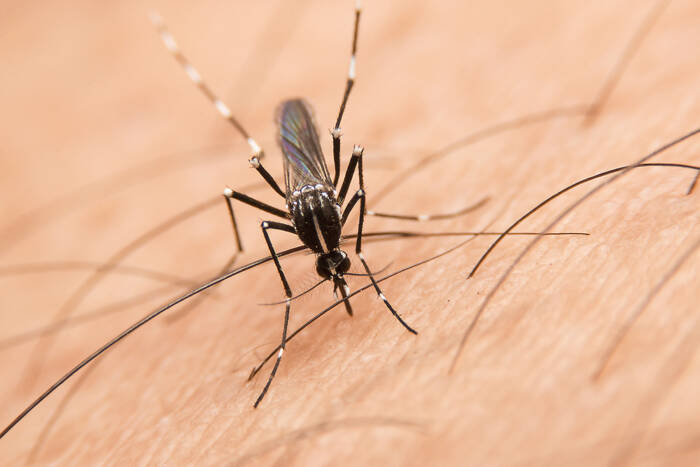
With 40% of encephalitis cases now explained by an autoimmune deficiency, West Nile virus "is by far the best understood human infectious disease in the world. It’s stunning.”

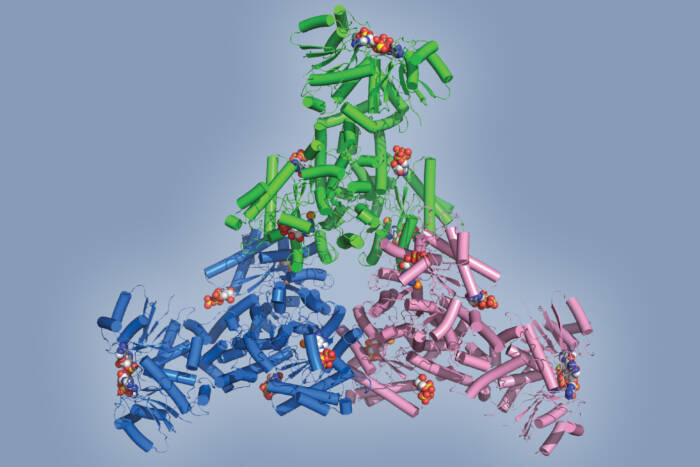
New high-resolution images of the large ribosomal subunit shed light on how human ribosomes are assembled.

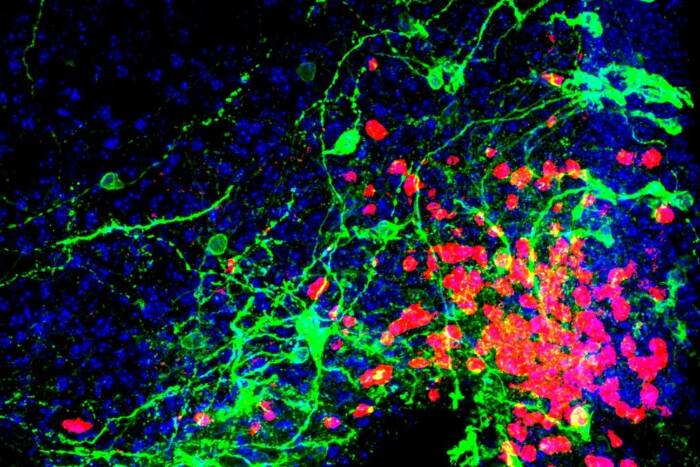
They identified a brain signal that guides one type of decision-making—findings that could build a foundation for understanding how humans make educated and strategic decisions.

Overlapping RNA changes in the blood and brain were associated with many of the clinical signs of the disease.

Fibrolamellar carcinoma not only hinders the body's ammonia consumption but also produces ammonia, a finding with sweeping implications for treating this cancer—and the study of ammonia metabolism.