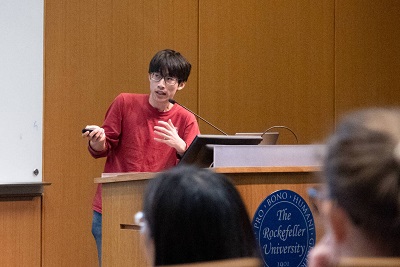
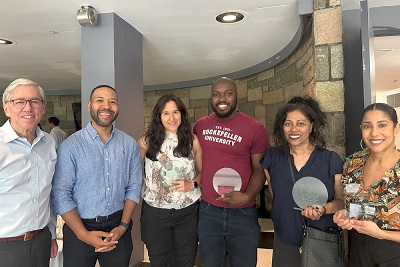
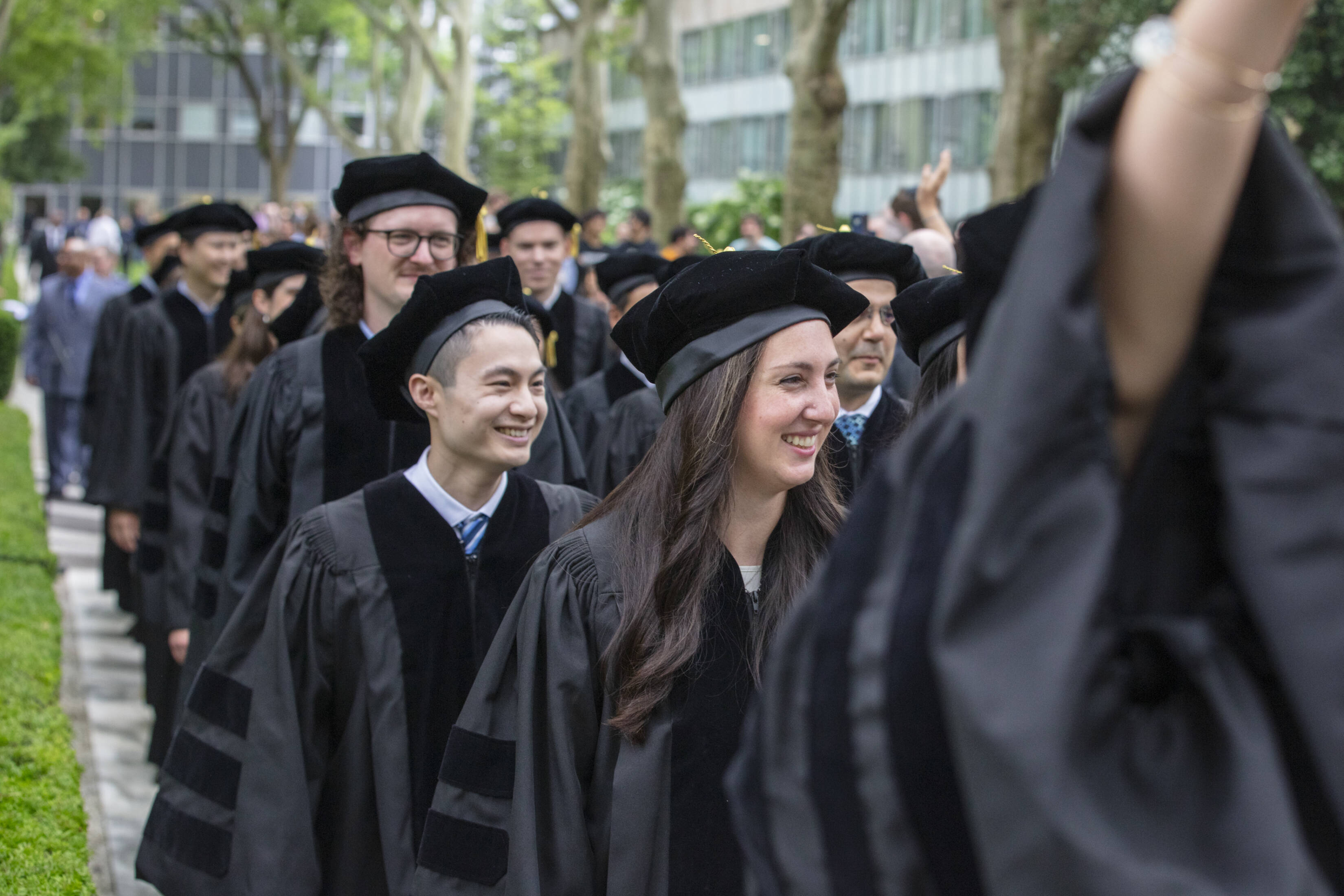
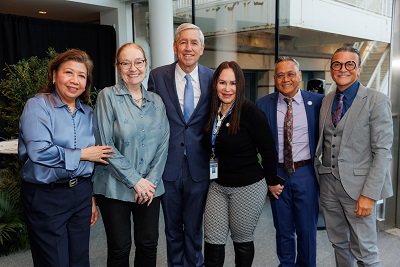
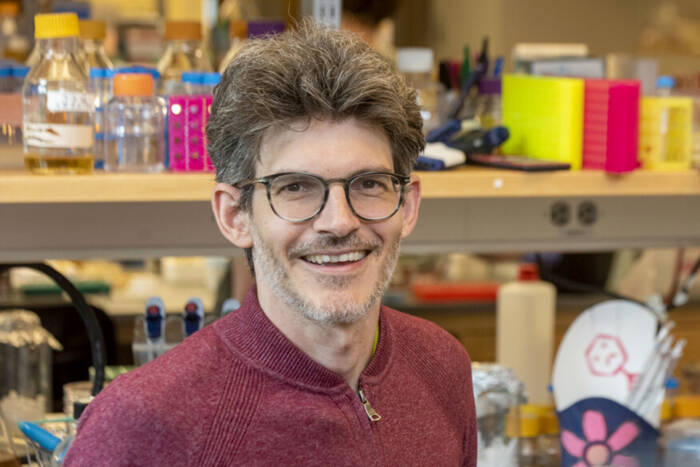
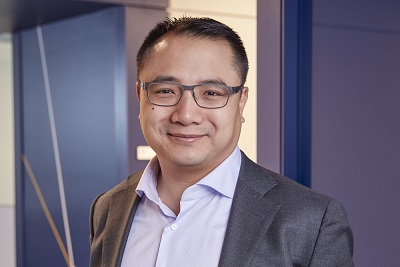
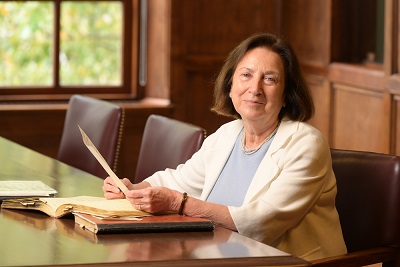
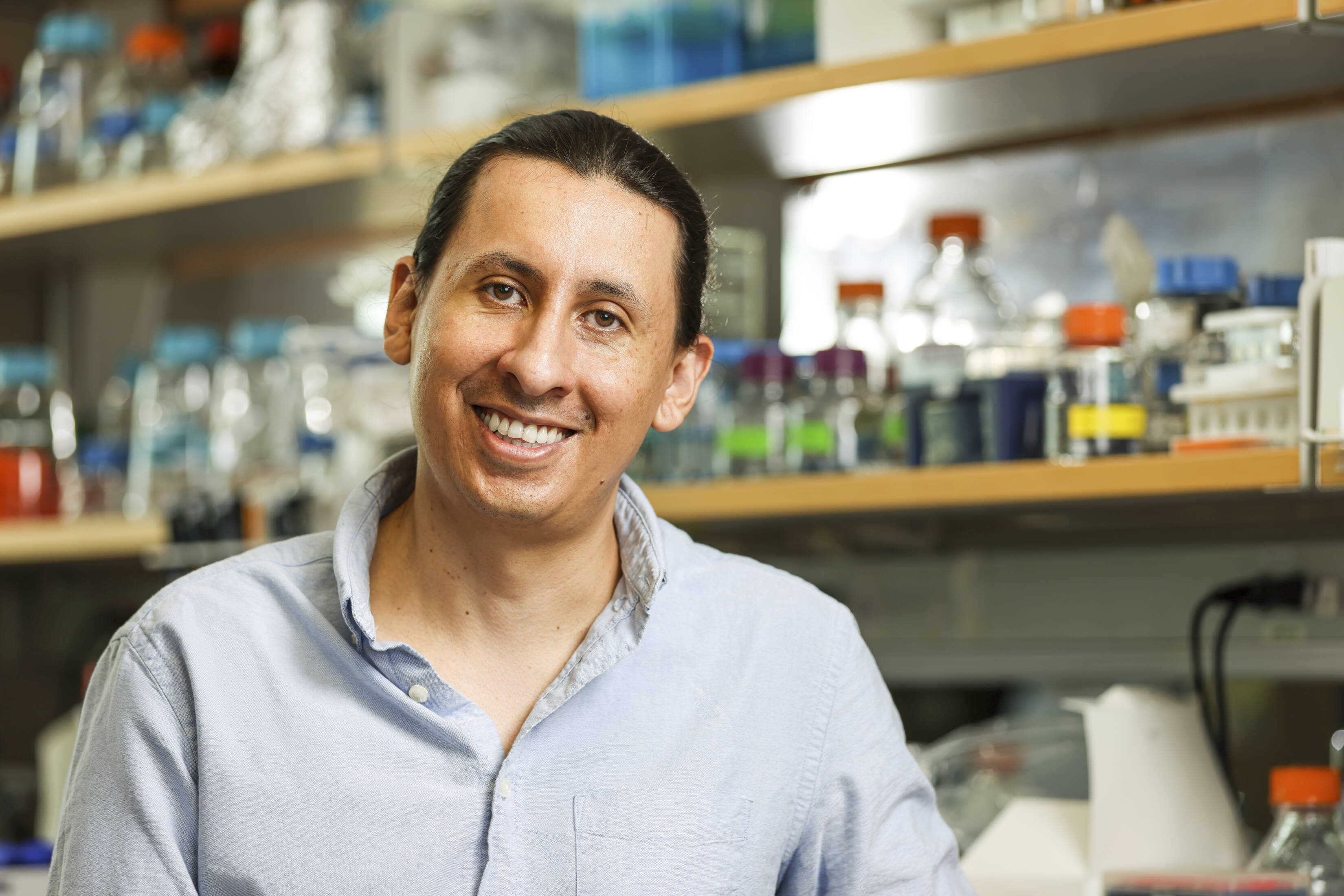
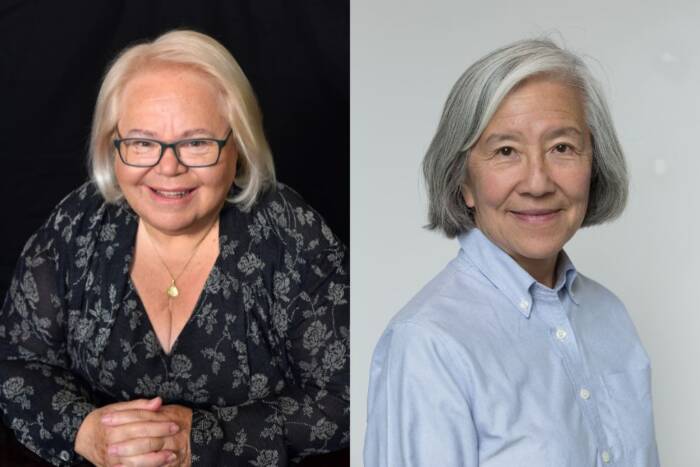
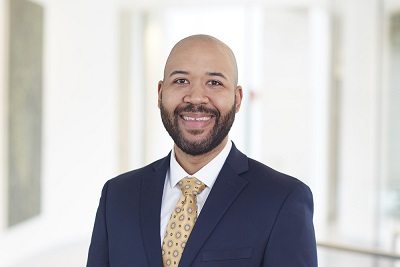
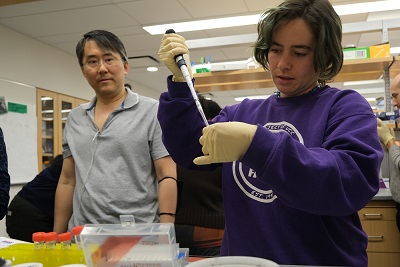
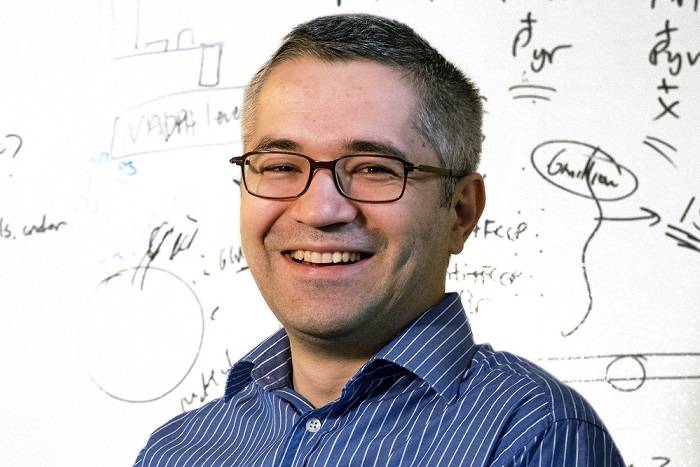
Four community members—Sadye Paez, Elizabeth Campbell, Yuriria Vázquez, and Chad Morton—were recognized for their advocacy work both within the university and in the wider scientific community.
Vosshall is recognized for her pioneering studies of the mosquito Aedes aegypti, which transmits pathogens causing human diseases including dengue, Zika, chikungunya, and yellow fever.
Bieniasz is being honored for his work on the life cycle of retroviruses and their interactions with host proteins. With his election, nearly half of Rockefeller faculty are NAS members.
Thomas Tuschl has devoted his career to making discoveries that bridge the gap between bench and business—and have resulted in entirely new classes of drugs.
The author of There Are Places in the World Where Rules Are Less Important Than Kindness was presented with Rockefeller’s prestigious science writing award on April 9.
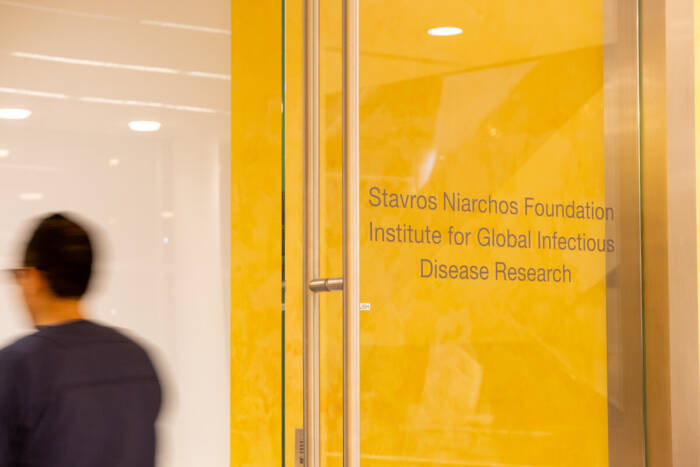
SNFiRU, which aims to better understand the agents that cause infectious disease and to lower barriers to treatment and prevention globally, launched numerous initiatives in its inaugural year.
Mojsov's research into hormonal triggers for insulin production led to groundbreaking treatments for diabetes and obesity. She will be presented with the award on April 17.
Carlo Yuvienco, the inaugural director of the university’s new Ford Center Incubator, on how the new space will help translate research breakthroughs into market-ready biomedical innovations.
Mojsov’s research directly led to blockbuster drugs like Ozempic and Wegovy. She talks about the long quest for proper credit and lessons that can be learned from her experience.
Jan and Marder, who have both made fundamental contributions to neurobiology, were presented with the award in a ceremony on The Rockefeller University campus on September 20.
Sponsored by the Office for Diversity, Equity, and Inclusion, the event brought together land stewards from across the city in an effort to make soil science more accessible to the local community.
Birsoy is honored for groundbreaking research uncovering metabolic weaknesses of diseased cells, such as cancer, while shedding light on debilitating mitochondrial diseases and rare genetic disorders.