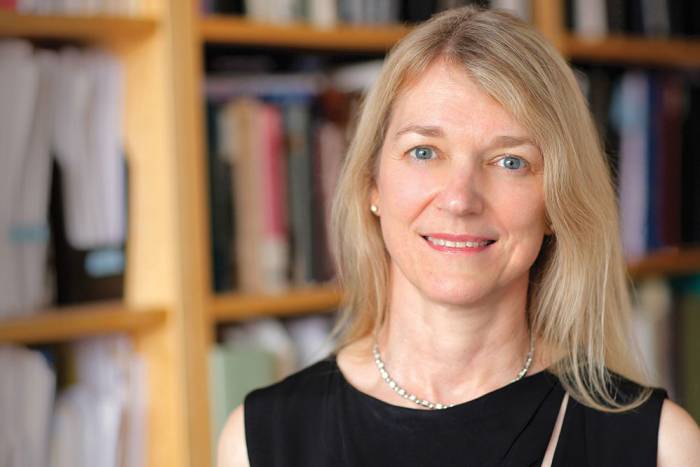
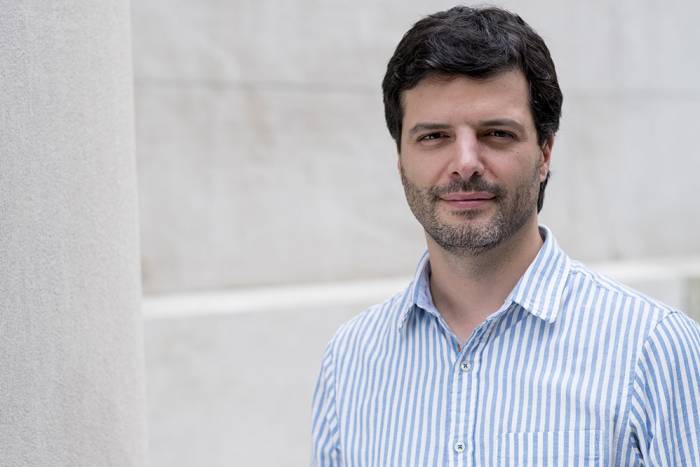
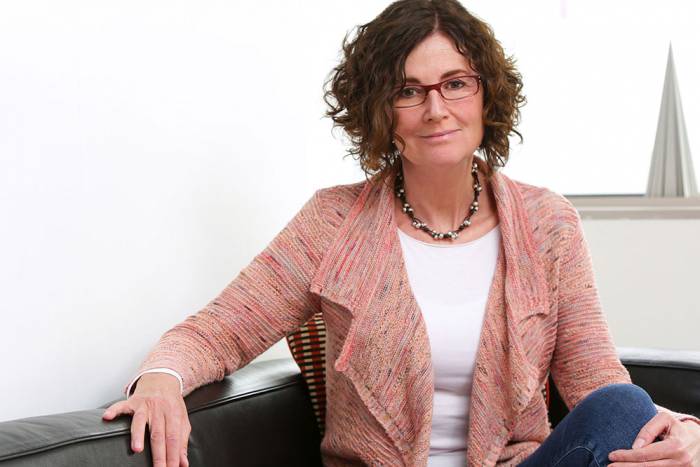
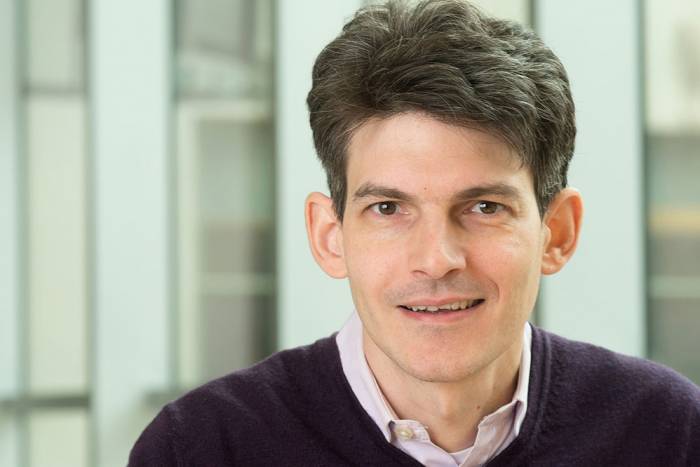
Maimon, who studies cognition and decision-making, and Marraffini, who studies the bacterial defense system CRISPR-Cas, are among 19 scientists nationwide to receive this designation.
Ravetch receives the award for his groundbreaking work analyzing the immune system’s antibody response. He has worked for decades on the Fc fragment of the antibody molecule and its binding partners, known as Fc receptors.
Nussenzweig was honored at a ceremony today at the Institut Pasteur in Paris.The award recognizes investigators for past or ongoing work demonstrating real scientific progress in the life sciences.
Young was honored for his discoveries of molecular mechanisms controlling the circadian rhythm. He accepted the Nobel medal and diploma from King Carl XVI Gustaf of Sweden.
Hatten is awarded for her significant contributions to neuroscience. She studies the mechanisms of neuronal differentiation and migration during the early stages of embryonic development.
Bargmann is honored for her research exploring how genes and the environment interact to generate a variety of behaviors, and how behavioral decisions are modified by context and experience.
One of the most prestigious funding programs in the world, the MacArthur fellows program awards grants to exceptionally creative individuals as an investment in their potential.
Rockefeller University biologist Michael W. Young, who studies the biological clocks that regulate sleep, metabolism, and response to disease, is this year’s recipient of the Nobel Prize in Physiology or Medicine.