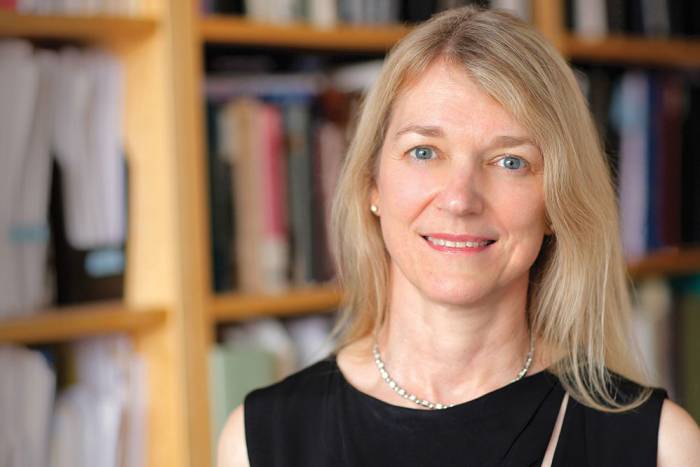
Bargmann is honored for her research exploring how genes and the environment interact to generate a variety of behaviors, and how behavioral decisions are modified by context and experience.
Scientists have found unexpected differences in how male and female mice respond to stress. Their findings are raising big questions about sex discrepancies in the brain and their impact on neuropsychiatric disease.
Rockefeller University biologist Michael W. Young, who studies the biological clocks that regulate sleep, metabolism, and response to disease, is this year’s recipient of the Nobel Prize in Physiology or Medicine.
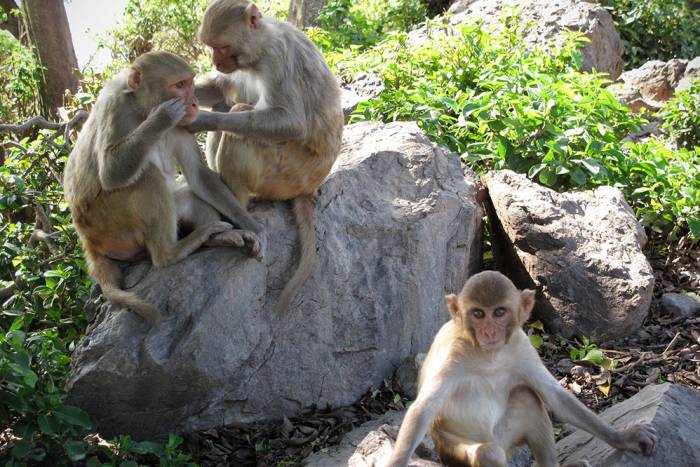
Scientists have located two areas in the brain that help us recognize familiar faces. The discovery will help them delve deeper into the relationship between face recognition, memory, and social knowledge.
Scientists disrupted a gene essential for sensing pheromones, resulting in severe deficiencies in the ants’ social behaviors and their ability to survive within a colony.
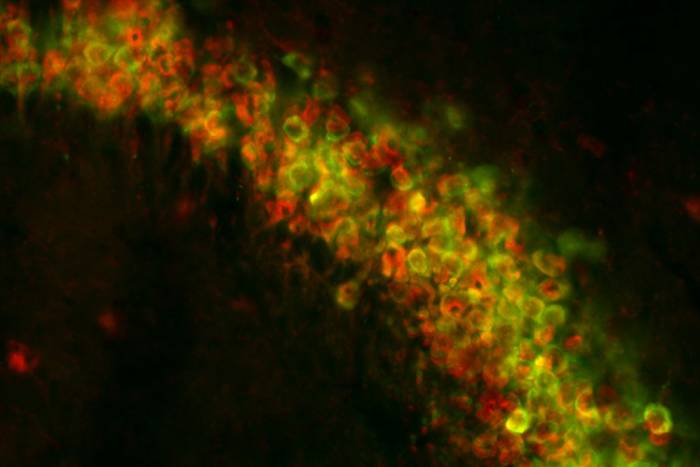
Within the oldest part of the brain, scientists have found cells in charge of controlling appetite and eating. The discovery could revitalize efforts to develop drugs for obesity that make us less hungry.
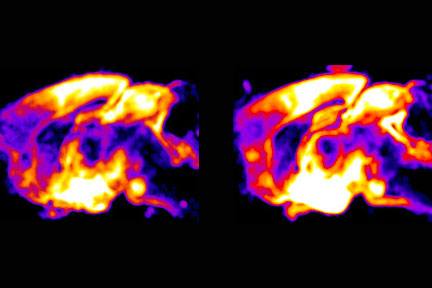
Neuroscientists have taken a major step toward answering longstanding questions about how Prozac and similar drugs act in the brain. Their findings could lead to better antidepressants that don't take weeks to kick in.