2025 Ceremony
PEARL MEISTER GREENGARD PRIZE
An International Award Recognizing Outstanding Women in Biomedical Research
TUESDAY, SEPTEMBER 16, 2025
Video
Video
2025 PRIZE RECIPIENT
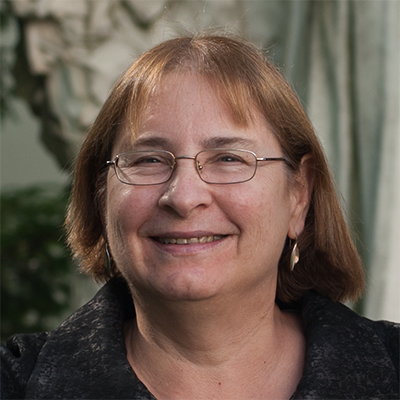
Maria Jasin, Ph.D.
William E. Snee Chair
Developmental Biology Program
Memorial Sloan Kettering Cancer Center
Maria Jasin, Ph.D., is a brilliant developmental biologist whose fundamental research on the repair of damaged DNA in cells has transformed our understanding of cancers linked to inherited gene mutations. Her work as an investigator at Memorial Sloan Kettering Cancer Center and the Weill Cornell Graduate School of Medical Sciences has also been influential in the development of gene editing as a tool for therapy. Dr. Jasin had already made critical discoveries about DNA repair mechanisms when, in the early to mid-1990s, scientists identified the breast cancer suppressor genes BRCA1 and BRCA2. Drawing on her expertise and keen insights, Dr. Jasin showed that cells need appropriate BRCA1 and BRCA2 function to repair a type of DNA damage called a double-strand break. Absent this protection, the likelihood of a tumor increases dramatically. Dr. Jasin’s lab has also elucidated the roles of BRCA genes in cancer treatment and demonstrated that both BRCA genes may block the occurrence of DNA damage in the first place. A focus of her lab’s current research is to understand DNA repair in breast cells at various developmental stages and in different contexts. Dr. Jasin’s groundbreaking studies of processes that guard genomic integrity and promote cancer prevention will have a lasting impact on science and medicine.
Dr. Jasin is a member of the National Academies of Sciences and Medicine and the American Academy of Arts and Sciences. She received her Ph.D. from the Massachusetts Institute of Technology and completed her postdoctoral training at the University of Zürich and Stanford University prior to joining the faculty at MSKCC.
Dr. Jasin is a member of the National Academies of Sciences and Medicine and the American Academy of Arts and Sciences. She received her Ph.D. from the Massachusetts Institute of Technology and completed her postdoctoral training at the University of Zürich and Stanford University prior to joining the faculty at MSKCC.
PRIZE PRESENTER

Wendy Evans Joseph is an American architect known for her work with public, cultural, and educational institutions throughout the country. Ms. Joseph studied at the University of Pennsylvania and received her master’s degree in architecture with distinction from Harvard University. Upon graduation, she worked with Pei Cobb Freed & Partners creating a design portfolio that included the U.S. Holocaust Memorial Museum and the headquarters of the American Association for the Advancement of Science (AAAS). In 1998, she founded, Studio Joseph, and her first commission was the infrastructure design for the Campus Community Bridge at the Rockefeller University. Her other projects include The Women’s Museum in Dallas, installations for the National Museum of the American Indian and the Library of Congress, and a new public library in Canarsie. Ms. Joseph received a Rome Prize in Architecture from the American Academy in Rome. She is a Fellow of the American Institute of Architects (AIA) and has held leadership positions including president of the Architectural League of New York, AIA New York Chapter, and the AIA National Committee on Design, and is currently the president of the National Academy of Design.
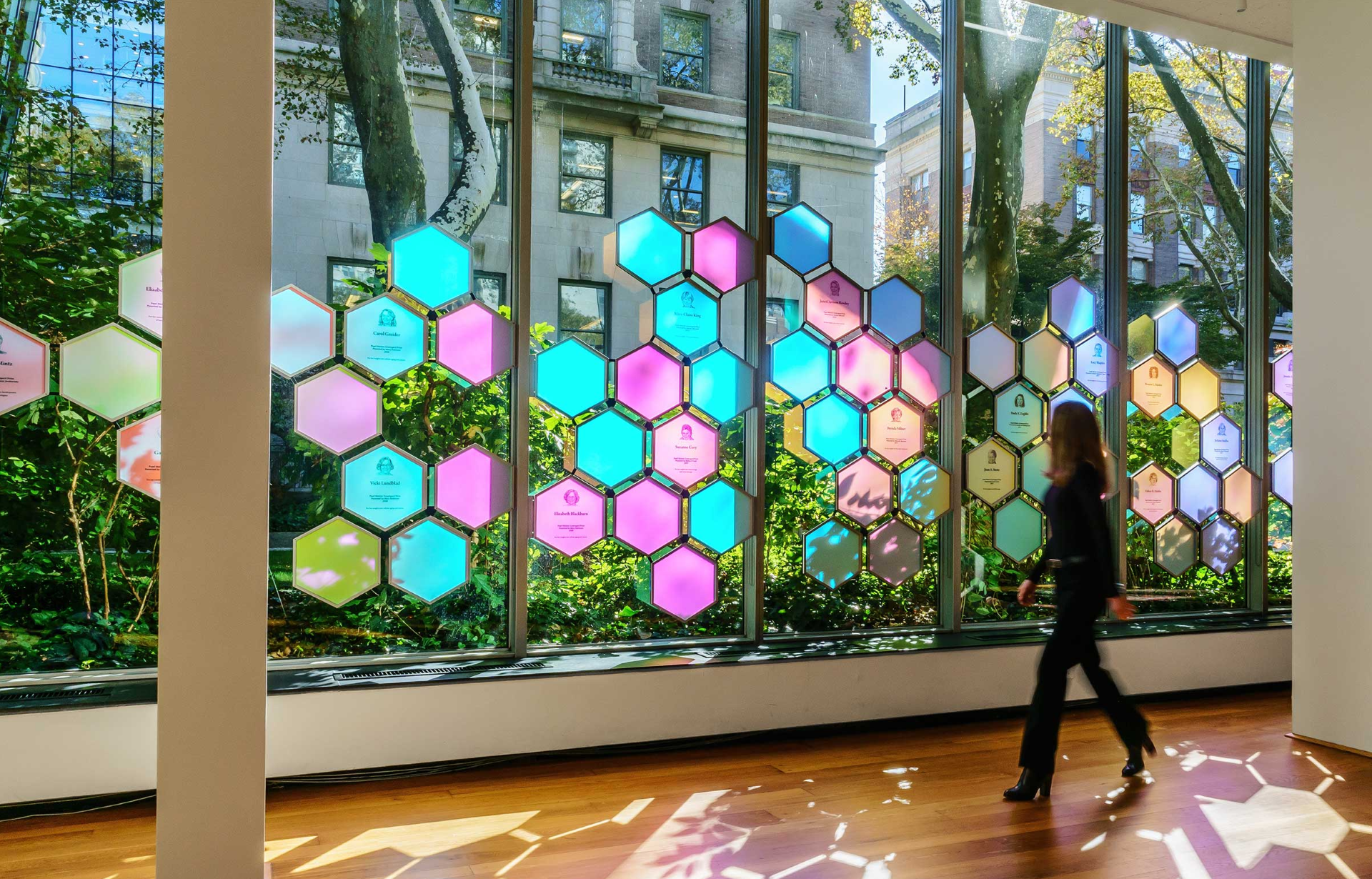
The Pearl Meister Greengard Prize, awarded annually by Rockefeller University, was established by the late Dr. Paul Greengard, who served as the university’s Vincent Astor Professor, and his wife, the sculptor Ursula von Rydingsvard. Dr. Greengard donated his monetary share of the 2000 Nobel Prize in Medicine to Rockefeller and, in partnership with generous supporters of the university, created this major international prize. The prize is named in memory of Dr. Greengard’s mother, who died giving birth to him. An exhibit honoring the recipients and presenters of the Pearl Meister Greengard Prize was installed at Rockefeller University in 2021.