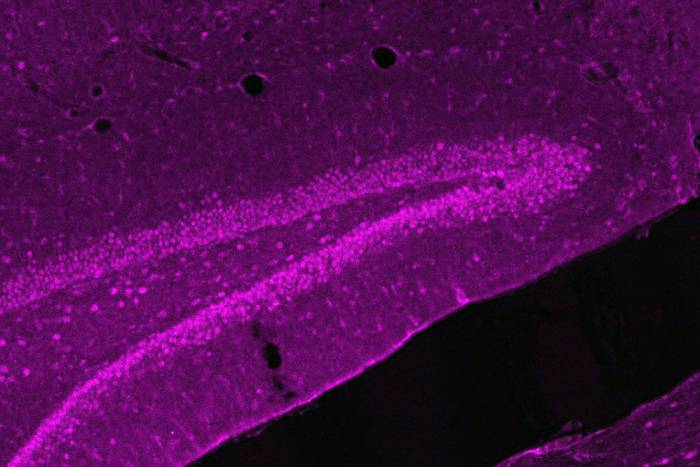
Researchers have identified a set of biological factors in mice that seem to determine one's ability to bounce back from a traumatic event, and provide preliminary evidence that a naturally-occurring substance may help boost resiliency in the face of stressful situations.
Protein clumps are routinely found in the brains of patients with neurodegenerative diseases. Now researchers find a link between this buildup and the intracellular movement of proteasomes, molecular machines tasked with degrading protein waste inside cells.
Research that began with the analysis of two developmental syndromes ultimately helped scientists understand how diverse epigenetic mechanisms can combine to drive tissue overgrowth in cancer.
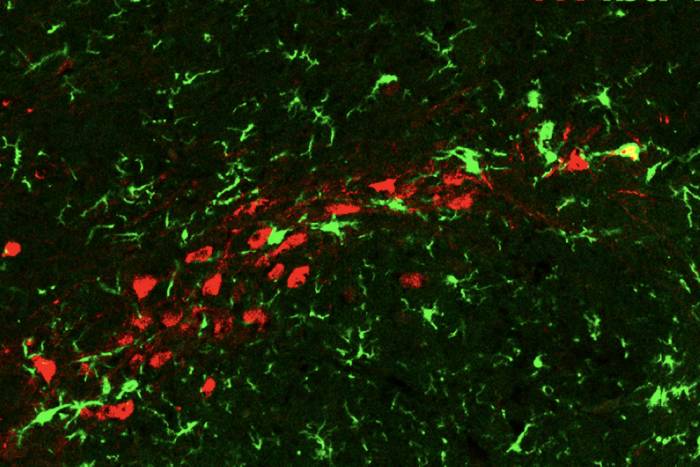
A new study finds that neurons affected in Parkinson’s disease can shut down without fully dying, allowing them to also switch off neighboring cells. The findings might give scientists a better understanding of how the condition wreaks havoc in the brain, as well as ideas for new treatments.
To grow new hair, stem cells throughout the skin must work in sync. Researchers have discovered the molecular communication tool, part of the lymphatic system, that the cells use to synchronize their activities.