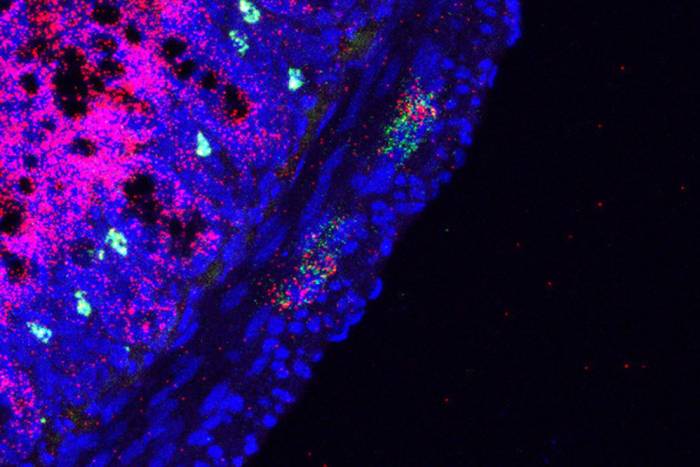
For reasons that have long been unclear, cells stop dividing when the pH rises inside tiny cellular compartments called lysosomes. Now scientists have found an explanation for this phenomenon, with potential implications for drug development.
Scientists are learning how tumor cells’ nutritional needs differ from those of normal cells. Will their work help
launch the next genre of cancer therapies?
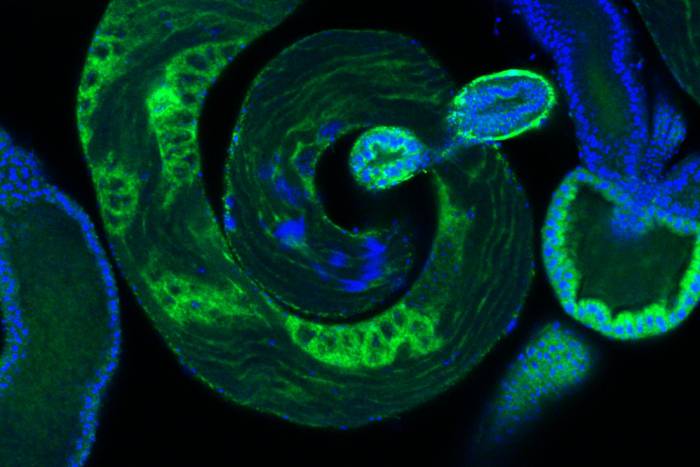
For some unlucky people, a bout of intestinal distress like traveler’s diarrhea leads to irritable bowel syndrome. Recent discoveries have given scientists a better idea of how this happens, and potential leads for new treatments.
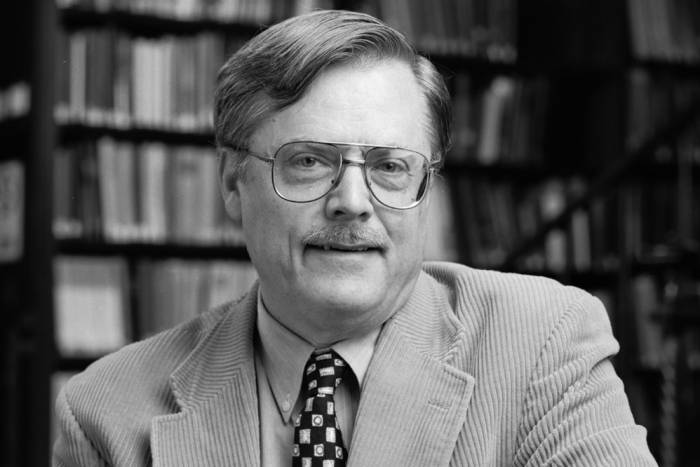
A pioneer in neuroendocrinology, McEwen’s work on how the brain changes throughout life has profound implications for public health. He died on January 2, at age 81.
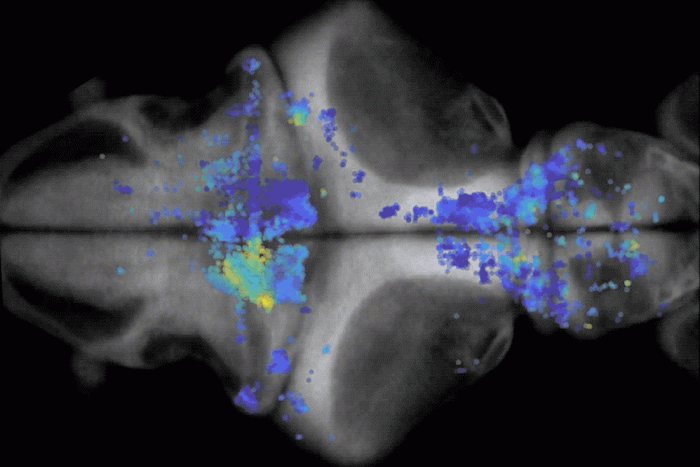
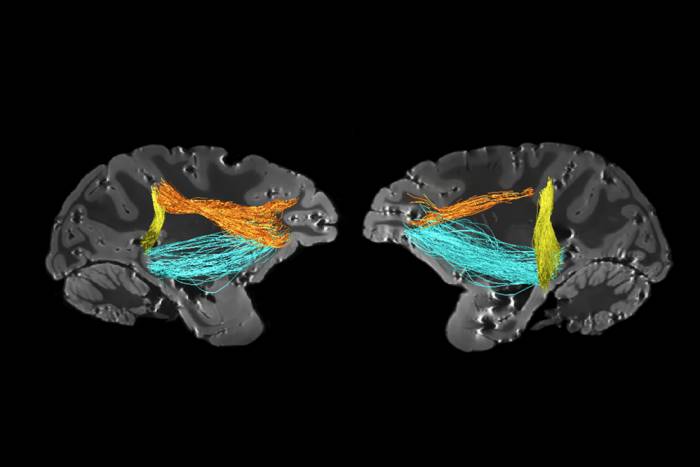
Scientists find a new brain area in control of our attention skills, raising new questions in what has long been considered a settled scientific field.
To scientists' surprise, the immune system develops its response to each virus variant mostly from scratch, instead of building on what it has already learned.