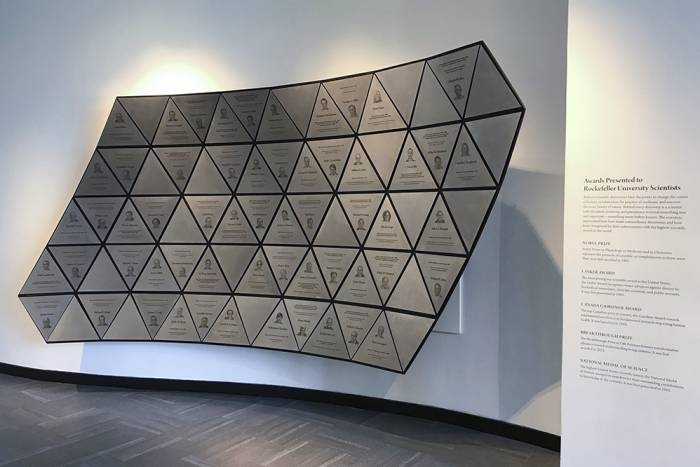
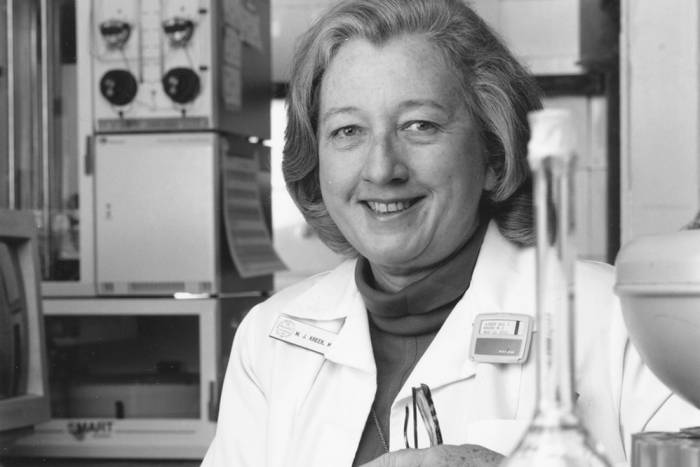
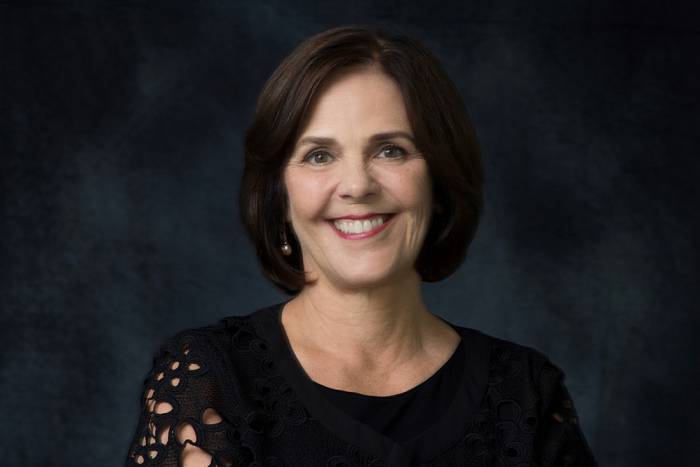
Redesigning the exhibit provided an opportunity to consider how to best honor and commemorate Rockefeller award winners. Discussions with university leadership and an ad-hoc faculty committee steered the process and led to a broadening of the criteria for inclusion.
Two new cases helped scientists confirm what many have come to suspect: that people can get infected by SARS-CoV-2 variants even after successful vaccination. The findings suggest continued testing may be needed to prevent future outbreaks in a post-vaccine world. <...
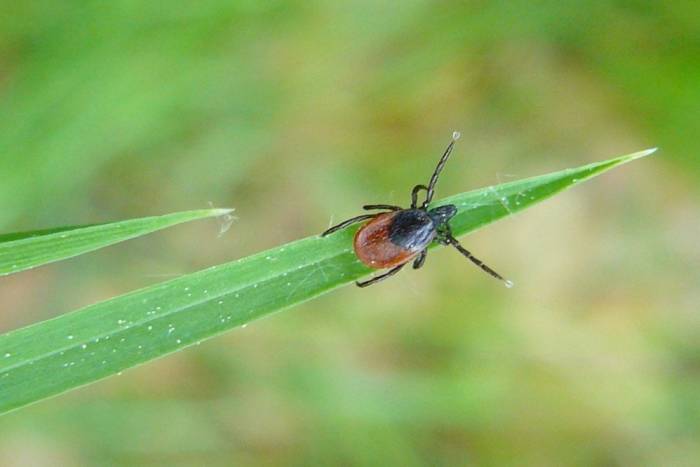
The virus that causes tick-borne encephalitis appears to trick the immune system, misdirecting it into producing inferior antibodies. But new research shows some people produce more potent antibodies, providing hope for treatment.
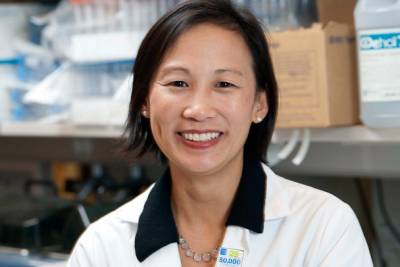
The joint program between Weill Cornell Medicine, The Rockefeller University, and Memorial Sloan Kettering Cancer Center will be lead by Hsu, an accomplished physician-scientist who specializes in immunology research and treatment of blood cancers.
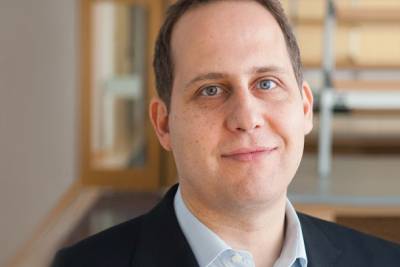
Cohen, a physician-scientist exploring obesity and metabolic disease, has conducted groundbreaking research on the complex inner workings of fat tissue.
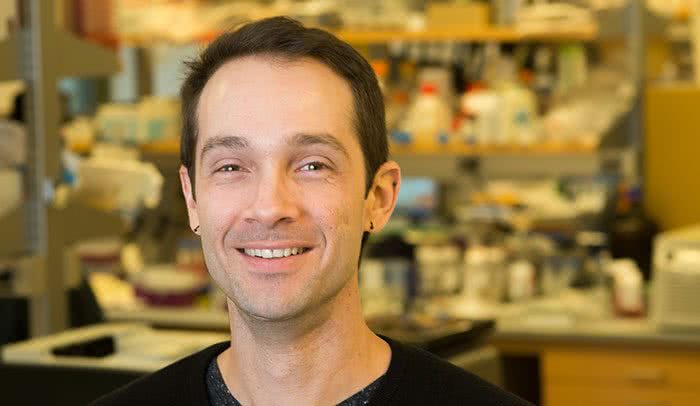
A pioneer in the field of mucosal immunology, Mucida is unlocking the secrets of the digestive system and answering fundamental questions about the origins of human disease.
Kreek conducted landmark studies that led to the establishment of methadone as a treatment for heroin addiction. Her work not only yielded new treatments for addiction disorders, but also influenced societal attitudes toward them. She was 84.
The university has named its next vice president and chief investment officer. Volent, who for decades oversaw investments at Bowdoin College, will assume stewardship of Rockefeller's endowment in August.