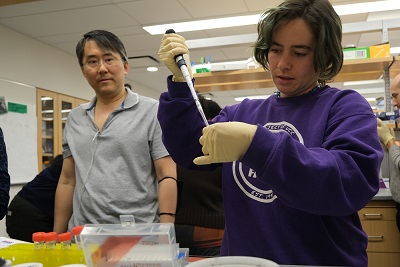
Sponsored by the Office for Diversity, Equity, and Inclusion, the event brought together land stewards from across the city in an effort to make soil science more accessible to the local community.
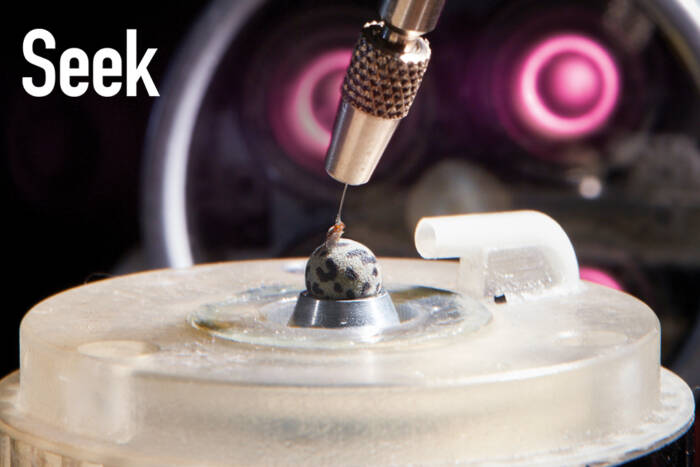
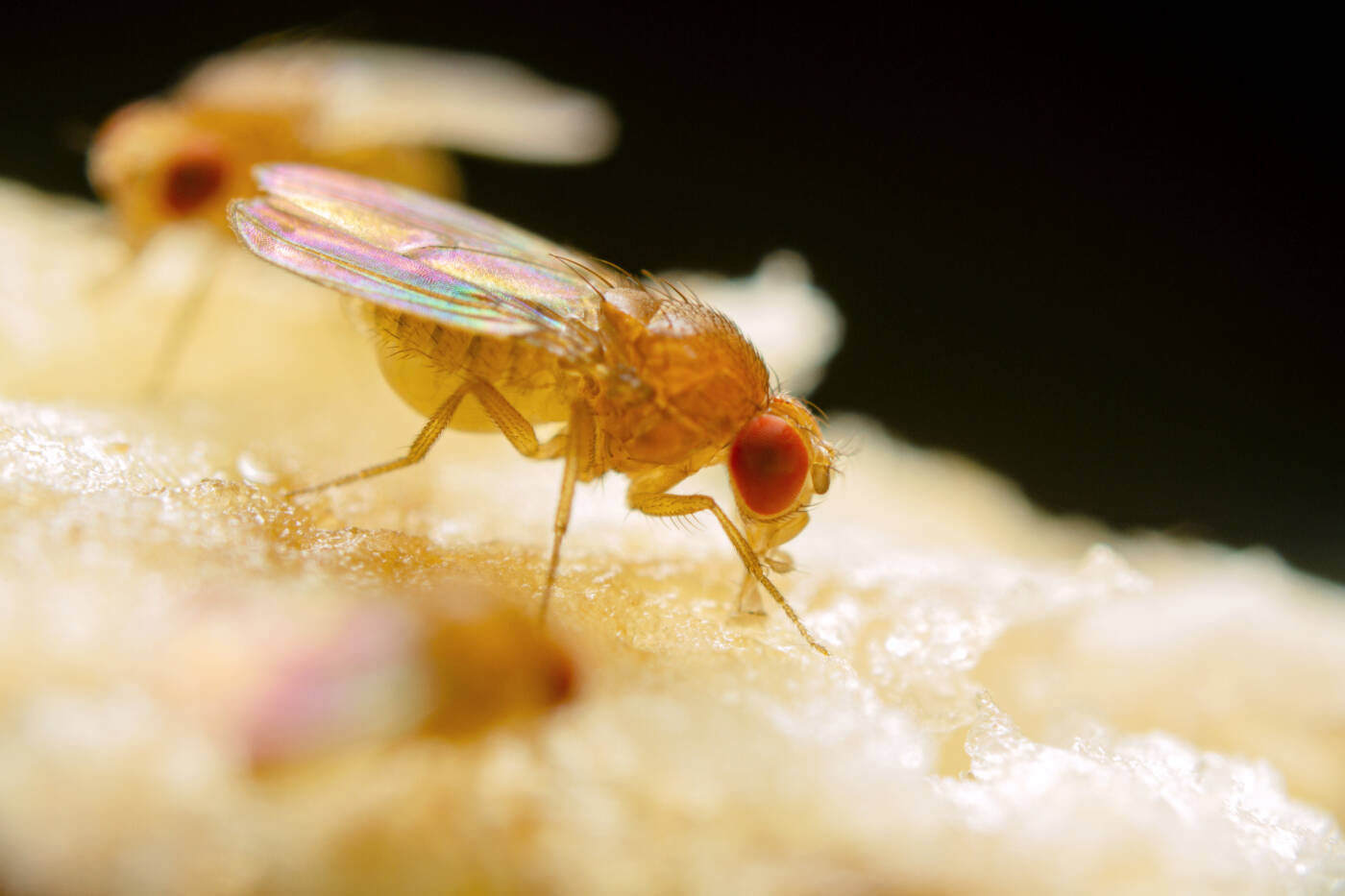
One clever way to observe the neural activity of Drosophilae: build them a custom fly treadmill and tempt them with the tangy perfume of apple cider vinegar.
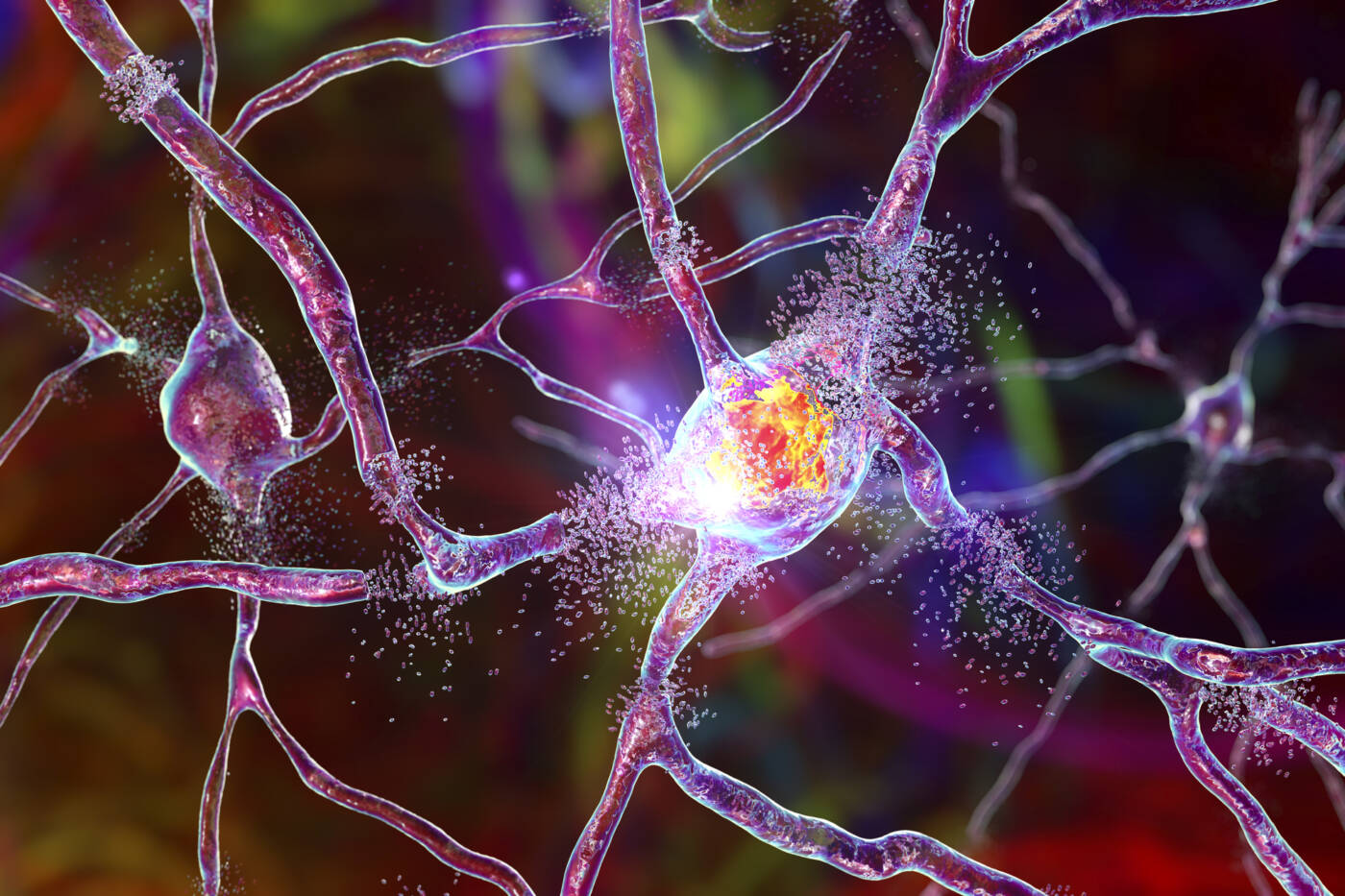
Birsoy is honored for groundbreaking research uncovering metabolic weaknesses of diseased cells, such as cancer, while shedding light on debilitating mitochondrial diseases and rare genetic disorders.
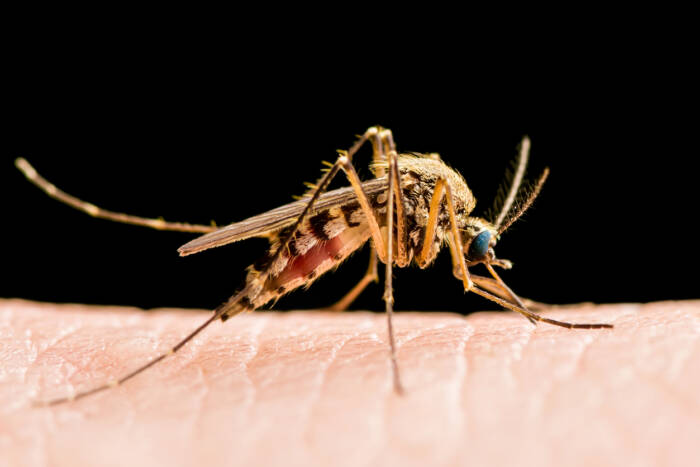
With 40% of encephalitis cases now explained by an autoimmune deficiency, West Nile virus "is by far the best understood human infectious disease in the world. It’s stunning.”
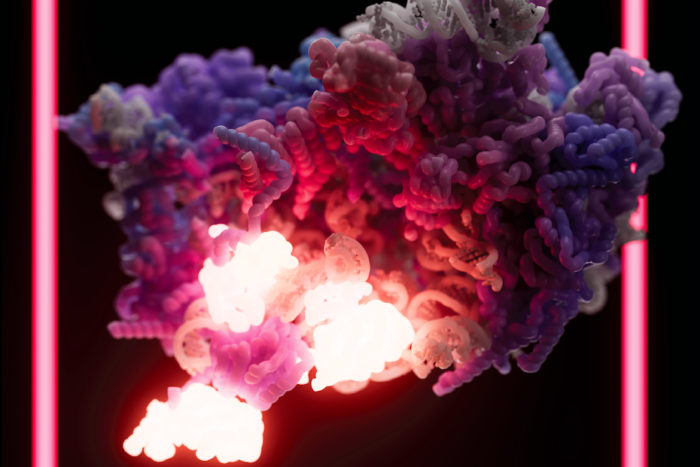
Gregory Alushin reveals fundamental truths about cellular biomechanics by studying how the wiggly protein strands known as actin filaments bend and flex, crisscross each other, and have tugs of war.
They identified a brain signal that guides one type of decision-making—findings that could build a foundation for understanding how humans make educated and strategic decisions.
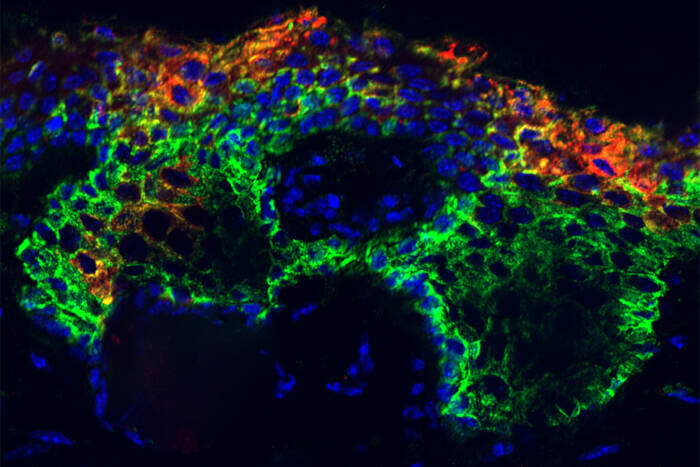
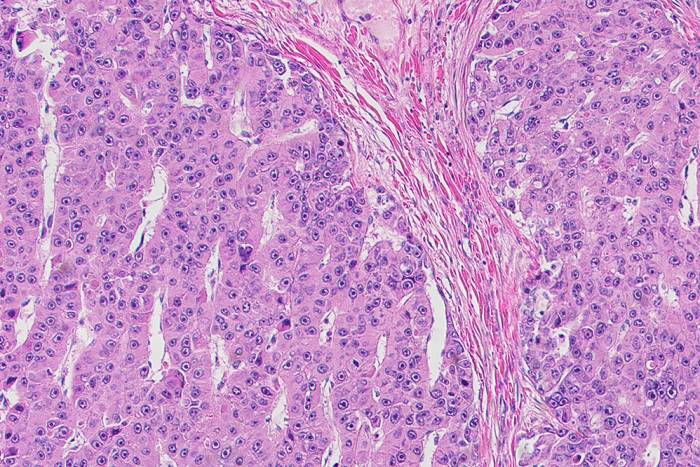
Fibrolamellar carcinoma not only hinders the body's ammonia consumption but also produces ammonia, a finding with sweeping implications for treating this cancer—and the study of ammonia metabolism.