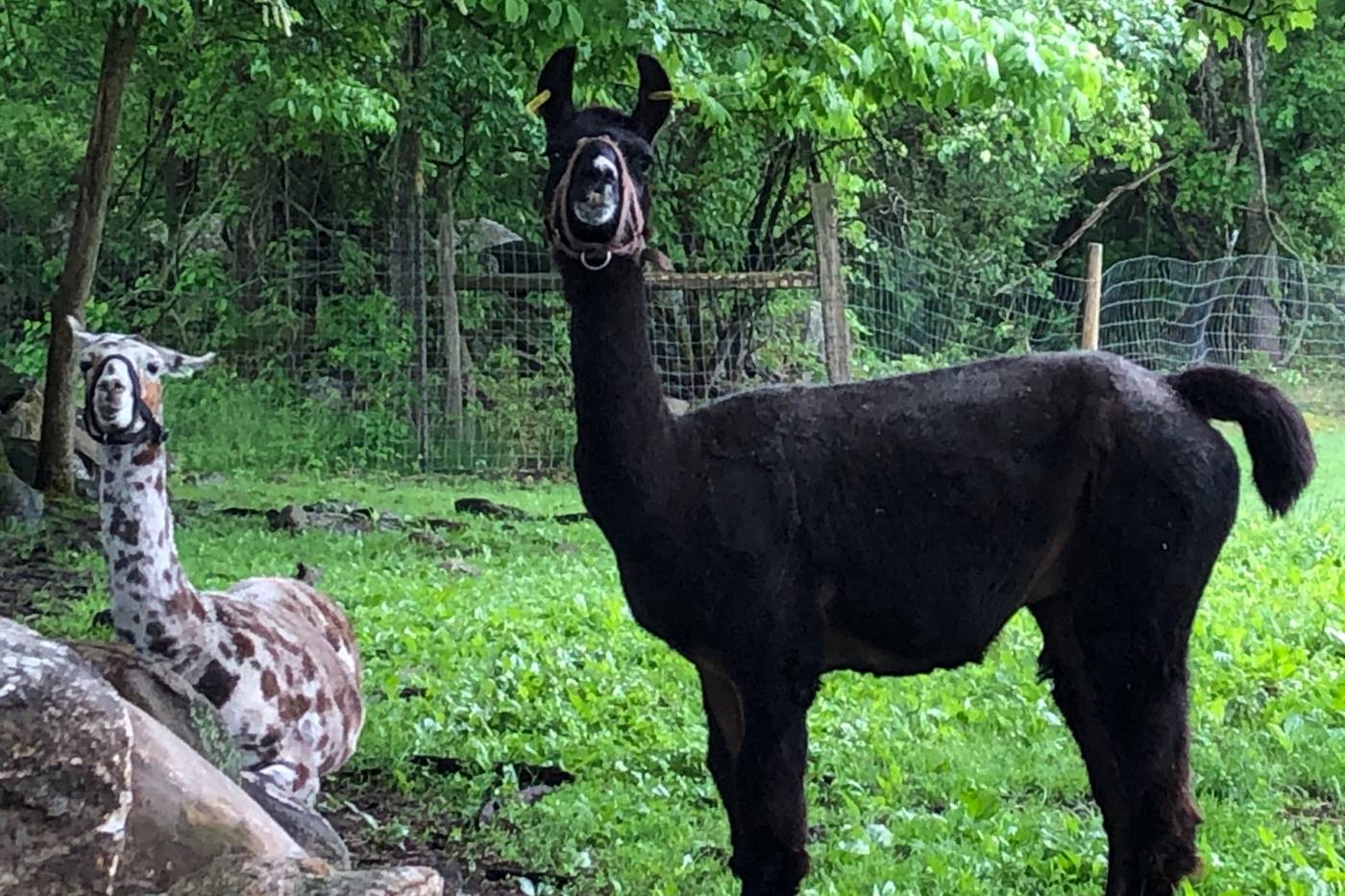
Llamas make antibodies that are much smaller than their human counterparts, yet still potent. Scientists hope that future drugs based on these molecules could provide new weapons against SARS-CoV-2.
An international ranking of research institutions by U-Multirank placed Rockefeller first in the United States among 227 universities, and first internationally in a measure of its impact based on citations.
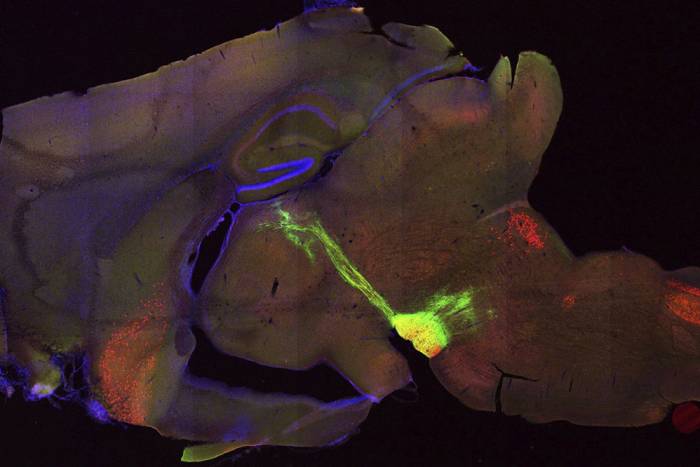
In findings that might lead to better smoking-cessation tools, scientists have shown that manipulating a specific brain receptor can alter a mouse’s nicotine sensitivity.
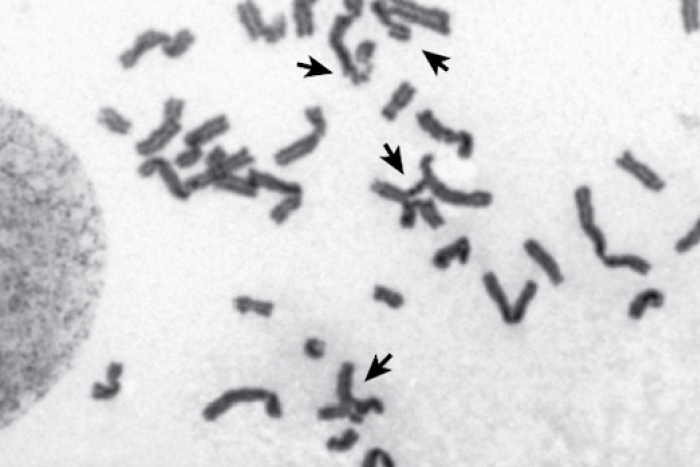
Scientists have long struggled to understand what drives a tumor to seed itself elsewhere in the body. New research implicates our own pre-existing genetics.
The condition resembles a rare childhood illness, Kawasaki disease. Researchers are analyzing blood samples to find genetic clues to what might be causing it.
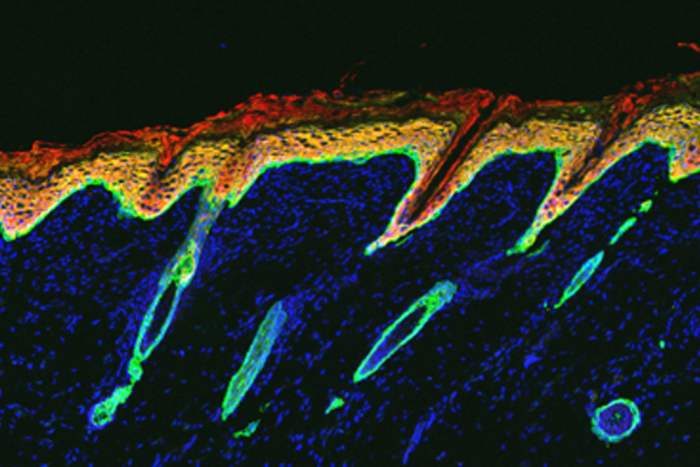
Scientists have discovered how stem cells in the skin maintain their ability to replenish themselves, a process critical for hair growth. The findings suggest that errors in stem cell maintenance might contribute to permanent hair-loss conditions.
People under 50 without preexisting conditions typically develop mild symptoms of coronavirus infection—but there are exceptions. Researchers are working to identify rare genetic variations that may explain why some in this group have succumbed to the disease.