According to this year’s CWTS Leiden Ranking of over 1100 universities from 65 countries, Rockefeller has the highest proportion of frequently cited scientific publications.

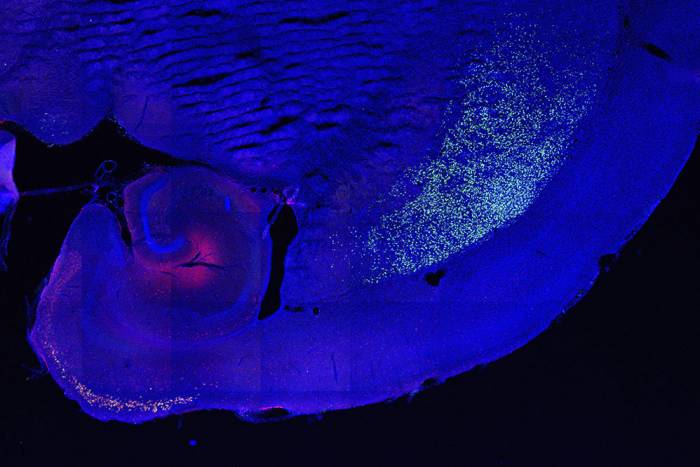
Scientists have used advanced technology to “micro-dissect” the first brain cells to perish in Alzheimer’s disease. The result is a short list of genes that could represent new drug targets.

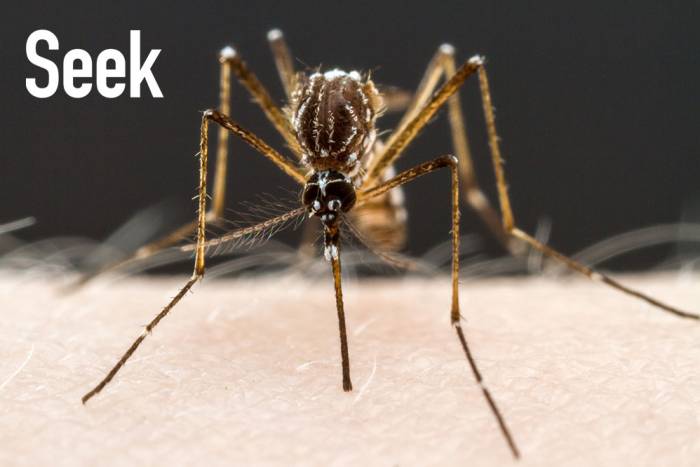
The Aedes aegypti genome might hold clues for developing the most effective repellants yet—including ones that make the mosquito unable to smell us, or less motivated to seek us out.

The CFC’s team has had to pivot quickly to create new online programming to support their young charges and provide age appropriate education and enrichment—and a measure of continuity.

The Office of the President today issued the statement below to all Rockefeller University employees. President Donald J. Trump’s ill-conceived executive order to suspend the issuing of temporary visas for foreign workers, including H1-B and J-1 visas, is detrimental to the advance of science a...
Hindmarsh Sten receives the university’s most prestigious graduate fellowship for his work exploring the fundamental cognitive and neurological pathways underlying courtship behavior in Drosophila.

Since its inception, Rockefeller’s graduate program in bioscience has granted doctor of philosophy degrees to more than 1,320 students, including this year's graduates.

New findings characterize human antibody response to SARS-Cov-2, with implications for convalescent plasma therapy, vaccine design, and antibody-based drugs.


How do primitive cells “know” where to go during development? Scientists studying the fish equivalent of inner-ear hair cells have shown that biochemical and mechanical cues work together to orchestrate a highly complex arrangement.

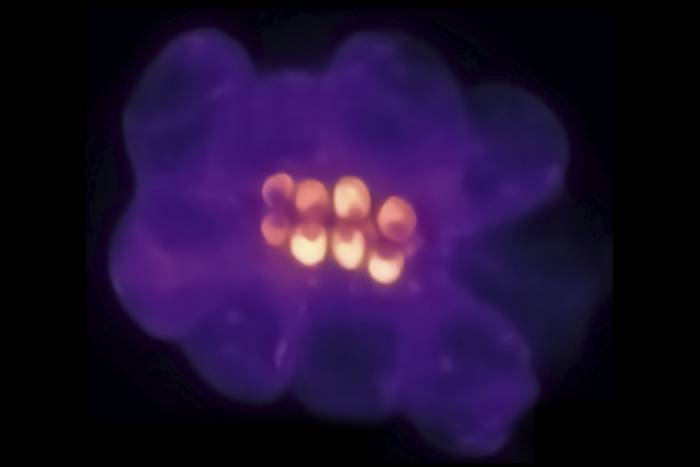
Vaziri has created and applied new imaging techniques that capture the activity of vast numbers of neurons with record speed and spatial resolution, and at new depths.