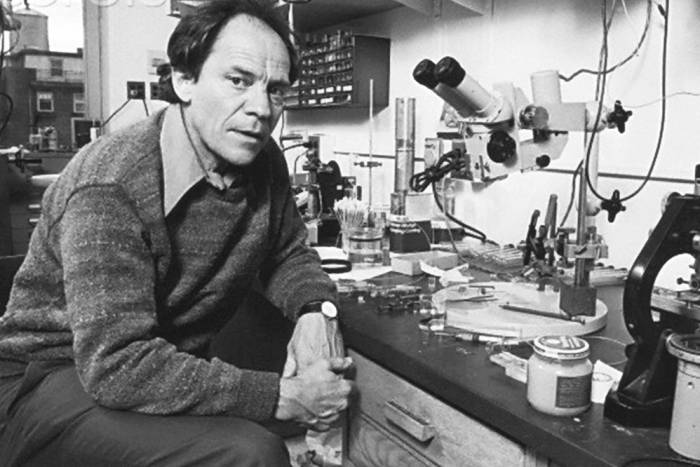
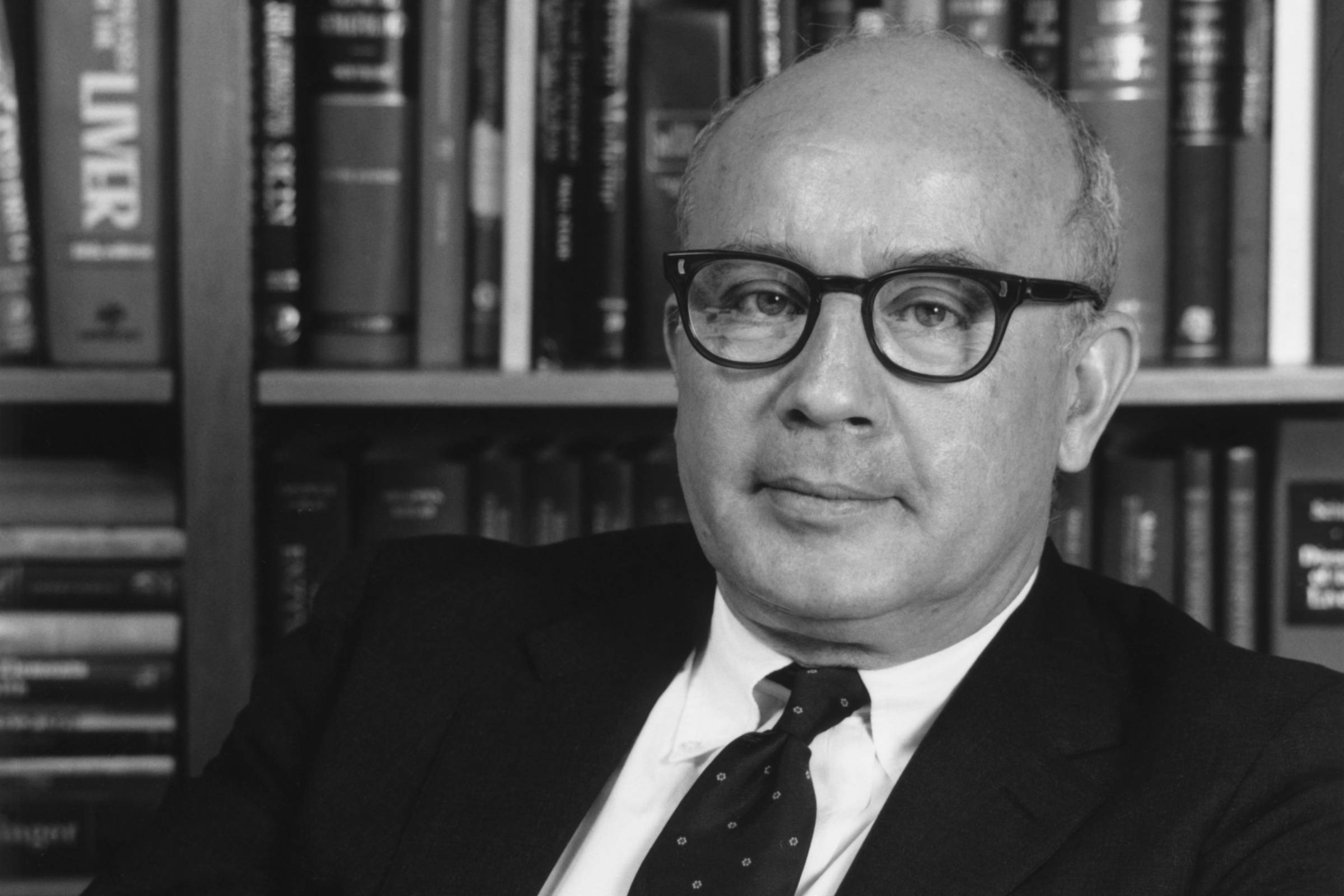
Attallah Kappas, professor emeritus at The Rockefeller University and physician-in-chief emeritus at The Rockefeller University Hospital, died December 18, 2018 at the age of 92. Kappas was a leading authority in diseases related to liver function and metabolism and in the development of diagnost...
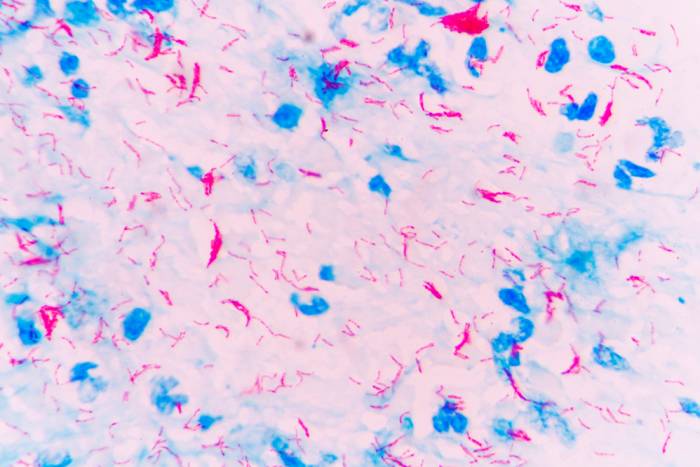
Scientists discovered a genetic variant that greatly increases a person’s likelihood of developing tuberculosis. Their research elucidates how this mutation affects the immune system, and points to a possible treatment for people with the disease.

Rockefeller researchers accomplished a lot this year. We look back at 10 of the most exciting science stories of 2018.

On a recent wintry evening, over 400 people took their seats in Caspary Auditorium. Scientists were center stage, but there wasn’t any lecturing. Instead, there was music.

Interviews with some of the university’s most prominent researchers reveal the stories behind the science, and the humans underneath the lab coats.

President Rick Lifton has established a committee to guide the strategic planning process. It will be informed by presentations from administrative departments as well as input from the community at large.

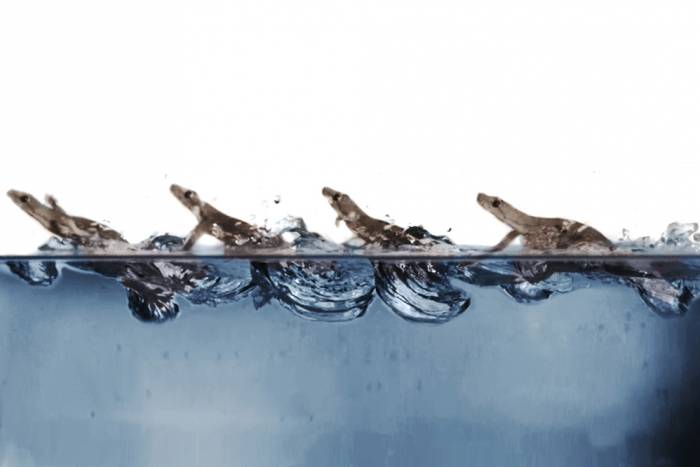
Geckos are amazingly agile. In addition to running across land and up trees, the animals can prance across the surface of water. A new study reveals how they do it.

A new digital edition makes Rockefeller’s award-winning publication available to readers everywhere.

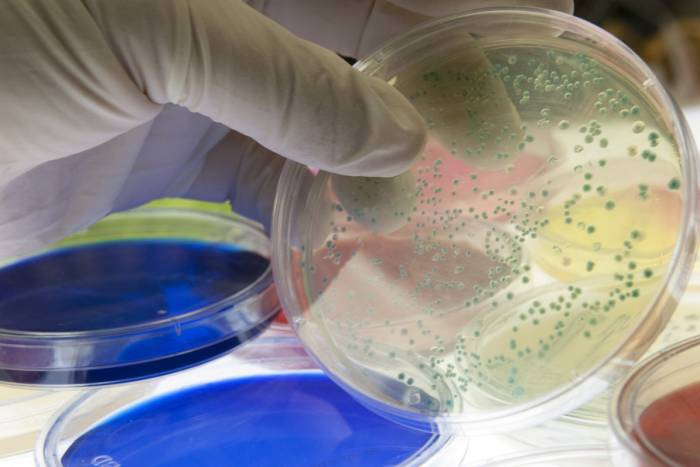
Researchers have discovered how bacteria manage to destroy enemy DNA, while keeping their own genetic material safe.

Scientists have made the first comprehensive inventory of cells present in the human placenta of the first trimester, a stage when many pregnancy complications are thought to arise. The findings could fuel new research on conditions such as preeclampsia and pre-term birth.