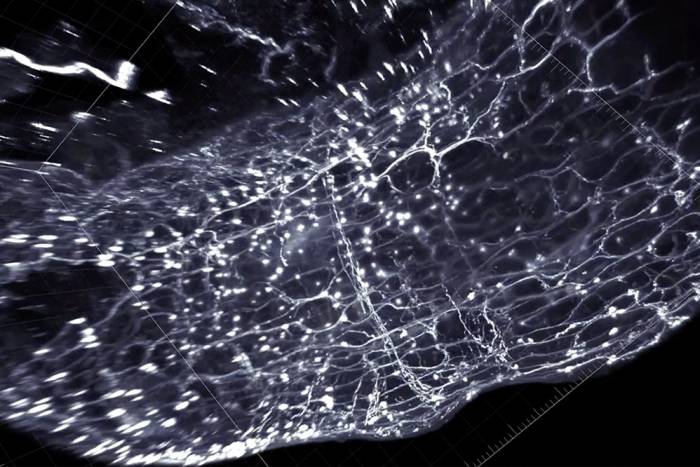
Female mosquitoes are armed with syringe-like stylets that begin to pump furiously only in the presence of blood. Scientists are now studying the specific neurons that line the stylet, and asking what mosquitoes taste when they bite us.

Rice will receive the 2020 Nobel Prize in Physiology or Medicine for research that led to a cure for hepatitis C, a viral disease affecting 170 million people worldwide. His lab worked on the virus for three decades and became the first to produce a version of it that could be grown and studied i...

Joanne Chory, who pioneered the application of molecular genetics to plant biology and transformed our understanding of photosynthesis, will receive the prize in a virtual ceremony hosted by Rockefeller on October 22.

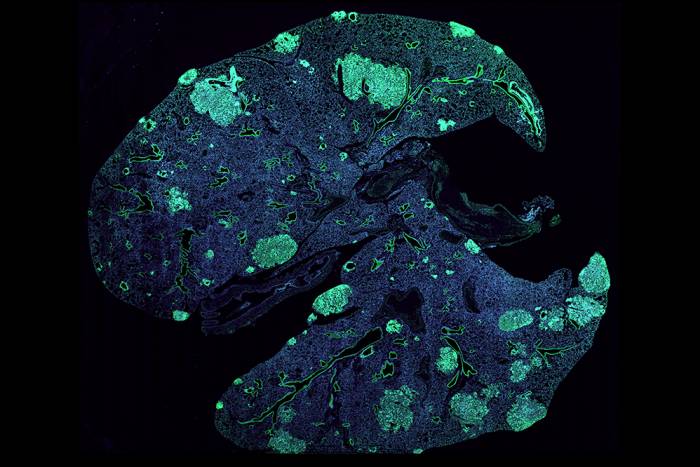
New research suggests that breast and lung tumors metastasize by hijacking a neural signaling pathway, potentially opening the door to better diagnostics and treatments.

Findings from genetically diverse mice challenge long-held assumptions about how the brain is able to briefly hold onto important information.

The findings explain why some people are so vulnerable to the infection, and suggest new avenues for treatment.

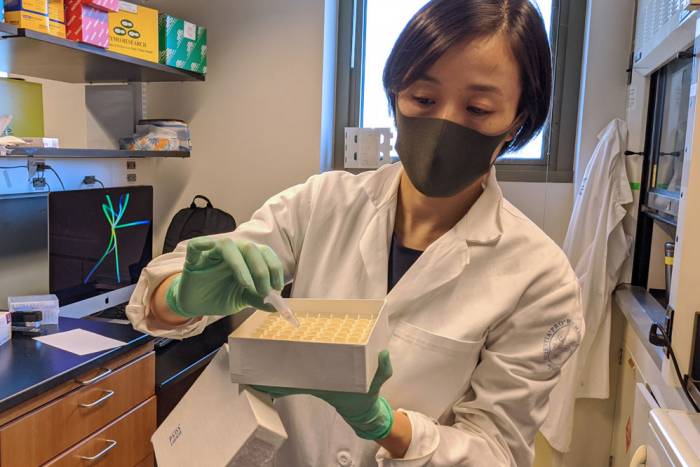
With input from participating students and scientists who volunteer with RockEDU, a blended Summer Science Research Program for high-school students was developed. The result was a modified SSRP curriculum with five experiential research tracks, complete with lab supply kits that were mailed to s...

Scientists long believed they knew precisely which nooks of the brain control our ability for selective attention. Now, new findings are redrawing the maps.

A new molecular structure explains how cells hold an alarm-triggering protein captive during cell division, preventing cells from targeting their own DNA.

A growing number of studies find that microbes in the gut directly influence biological processes from bowel movements to behavior. New research reveals how they impact levels of glucose in the blood.