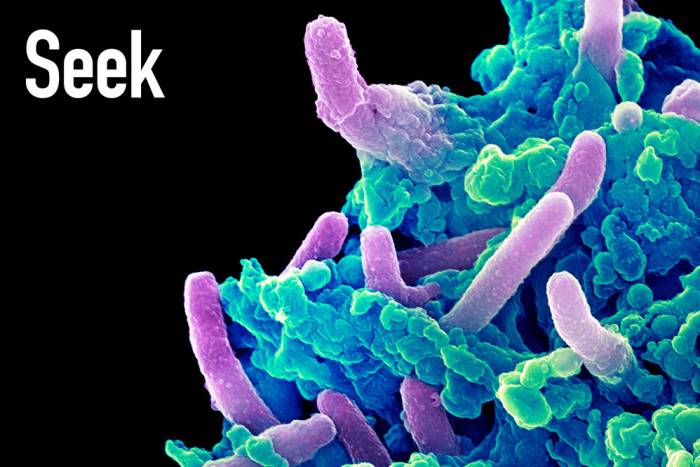
For the brain to function smoothly, its cells must carefully regulate which proteins are produced and when. By studying gene regulation, researchers are now shedding light on complex brain conditions like autism and stroke.

Navigating fruit flies do not have the luxury of GPS, but they do have a kind of neural compass. In a new study, researchers found that the animals decide which way to turn by comparing this internal compass needle to a fixed goal.

The fellowships recognize their research and leadership within the student community.

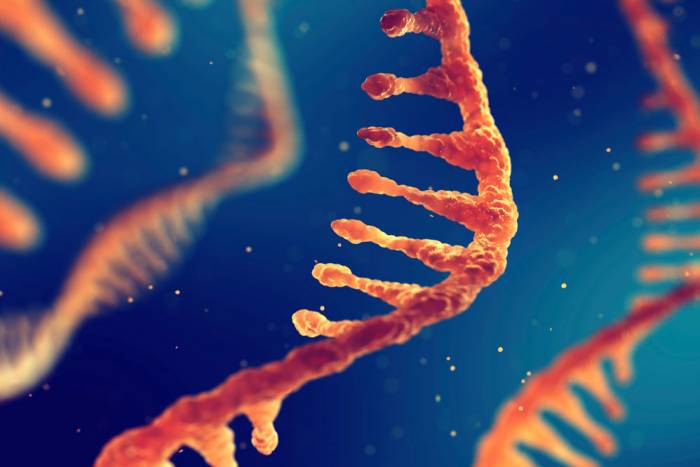
Klinge studies the mechanisms by which ribosomes—the intricate machines that manufacture every cell’s proteins—are assembled.

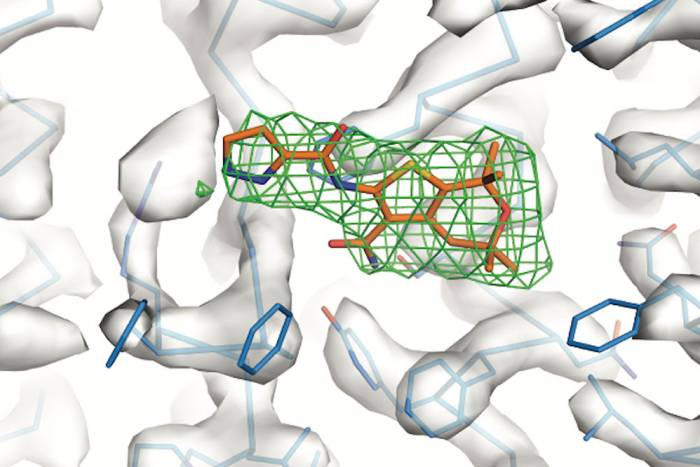
Drugs known as potentiators alleviate some symptoms of cystic fibrosis. Researchers recently figured out how these compounds work—a finding that may lead to better drugs that patients can more easily afford.

A mathematical physicist, Feigenbaum's groundbreaking work on deterministic chaos influenced fields ranging from cardiology to cartography. He died on June 30, at age 74.

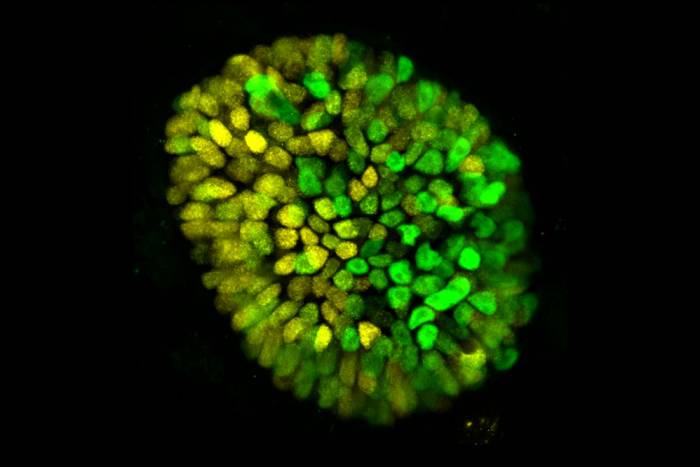
Researchers have created a new 3D model of human embryonic tissue that promises to shed light on critical components of development—including processes that go awry during pregnancy complications.

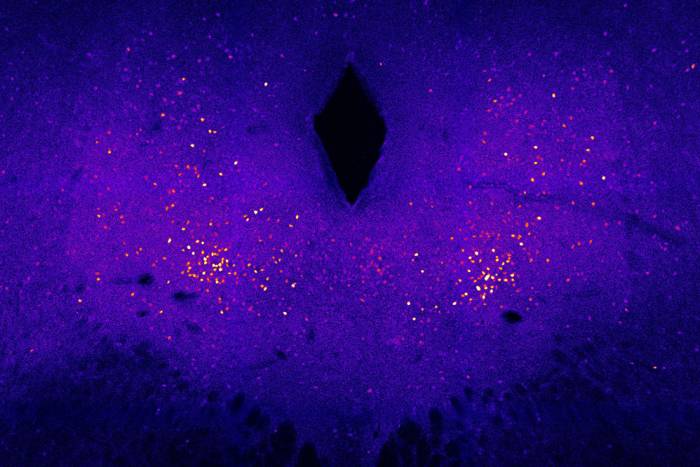
Scientists have found a group of brain cells that influence body mass in two ways, by controlling how much we eat as well as how much energy we burn. The findings could lead to new drugs to help people shed weight.

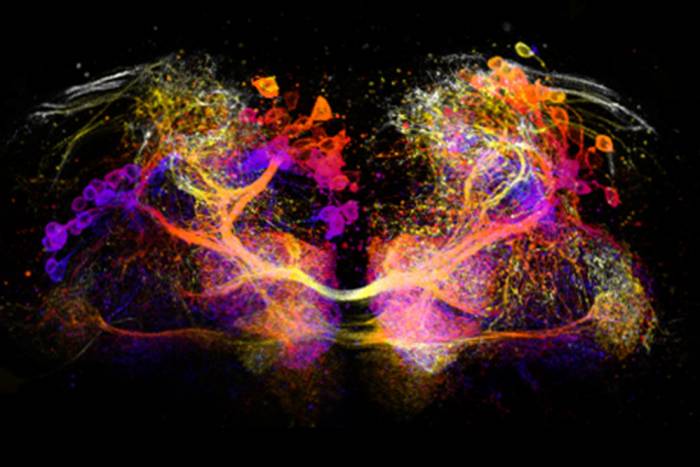
Animals learn the hard way which sights, sounds, and smells are relevant to survival. New research in flies shows that the timing of these cues plays an important role in how mental associations arise, and elucidates brain pathways involved in this process.
Deadly and elusive, M. tuberculosis has ravaged the world for centuries. Armed with new technologies to study the pathogen, scientists may finally be poised to intervene.