Studying a brain region involved in memory, researchers discovered a set of neurons that help mice control their appetite.

Scientists still have a lot to learn about the processes that trigger cell division, partly because they happen so quickly. A new chemical probe will make it possible to capture the workings of one of the key players.

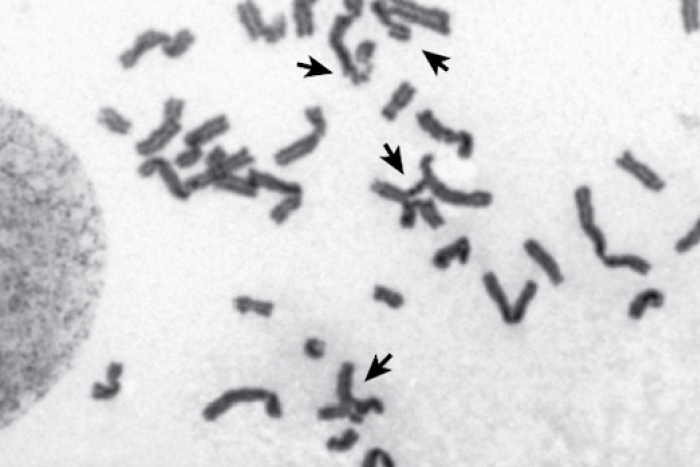
Some cancers have been traced to changes in histones, proteins responsible for packaging DNA and regulating genes. Now, research from Rockefeller scientists shows that, among tumors, mutations to these proteins are a lot more common than previously suspected.

Scientists discovered a protein that plays a crucial role in regulating fatty acids, the molecules that make up body fat. This research could lead to new options for treating people with diseases associated with fatty acid buildup.

New research on leptin, a hormone that regulates appetite, reveals a previously unknown mechanism that may be responsible for at least 10 percent of obesity cases. The findings could help identify individuals with treatable forms of the condition.

When looking for food, the roundworm C. elegans searches the same area for up to 20 minutes before trying its luck at more distant locales. New research on the worm’s brain explains how this behavior arises at the level of molecules and cells.

Researchers have identified a rare type of cancer cell that cannot make cholesterol, a key nutrient. By targeting this deficiency, scientists may be able to develop new strategies for treating the disease.

Scientists have learned new tricks that could be useful in preventing mosquito-borne illnesses such as Zika and yellow fever. A new study shows that some appetite-reducing drugs can curtail the insects’ impulse to feed on warm-blooded hosts.

Increasingly, bacteria do not succumb to antibiotics. Rockefeller researchers have developed a new class of antimicrobial drug, lysin, with one compound showing promising results in a clinical trial—suggesting that an alternative to antibiotics may be on the horizon.

Bacteria use a multifaceted immune response to get rid of invading DNA. In a new study, researchers identify an enzyme that can destroy foreign genetic material capable of evading a microbe’s first line of defense.