DNA’s two strands must be separated before its code can be read, or transcribed. By studying the structure of the enzyme RNA polymerase, researchers have elucidated how DNA unwinds and becomes legible.
Scientists discovered a genetic variant that greatly increases a person’s likelihood of developing tuberculosis. Their research elucidates how this mutation affects the immune system, and points to a possible treatment for people with the disease.
Geckos are amazingly agile. In addition to running across land and up trees, the animals can prance across the surface of water. A new study reveals how they do it.
Scientists have made the first comprehensive inventory of cells present in the human placenta of the first trimester, a stage when many pregnancy complications are thought to arise. The findings could fuel new research on conditions such as preeclampsia and pre-term birth.
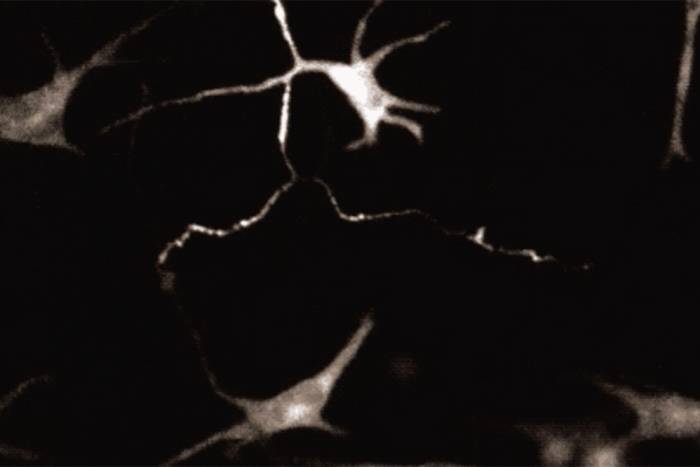
By analyzing gene expression patterns, researchers have identified previously unknown distinctions between mouse and human neurons. They have also developed a new way to track cellular changes associated with brain disorders.
Researchers have assembled a new and improved DNA catalogue for the mosquito Aedes aegypti. This tool will help researchers understand the insect’s biology, and may lead to new strategies for preventing diseases like Zika and dengue.
A new study shows that embryonic cells retain a memory of the chemical signals to which they are exposed. Without these memories, cells fail organize into distinct tissue types.