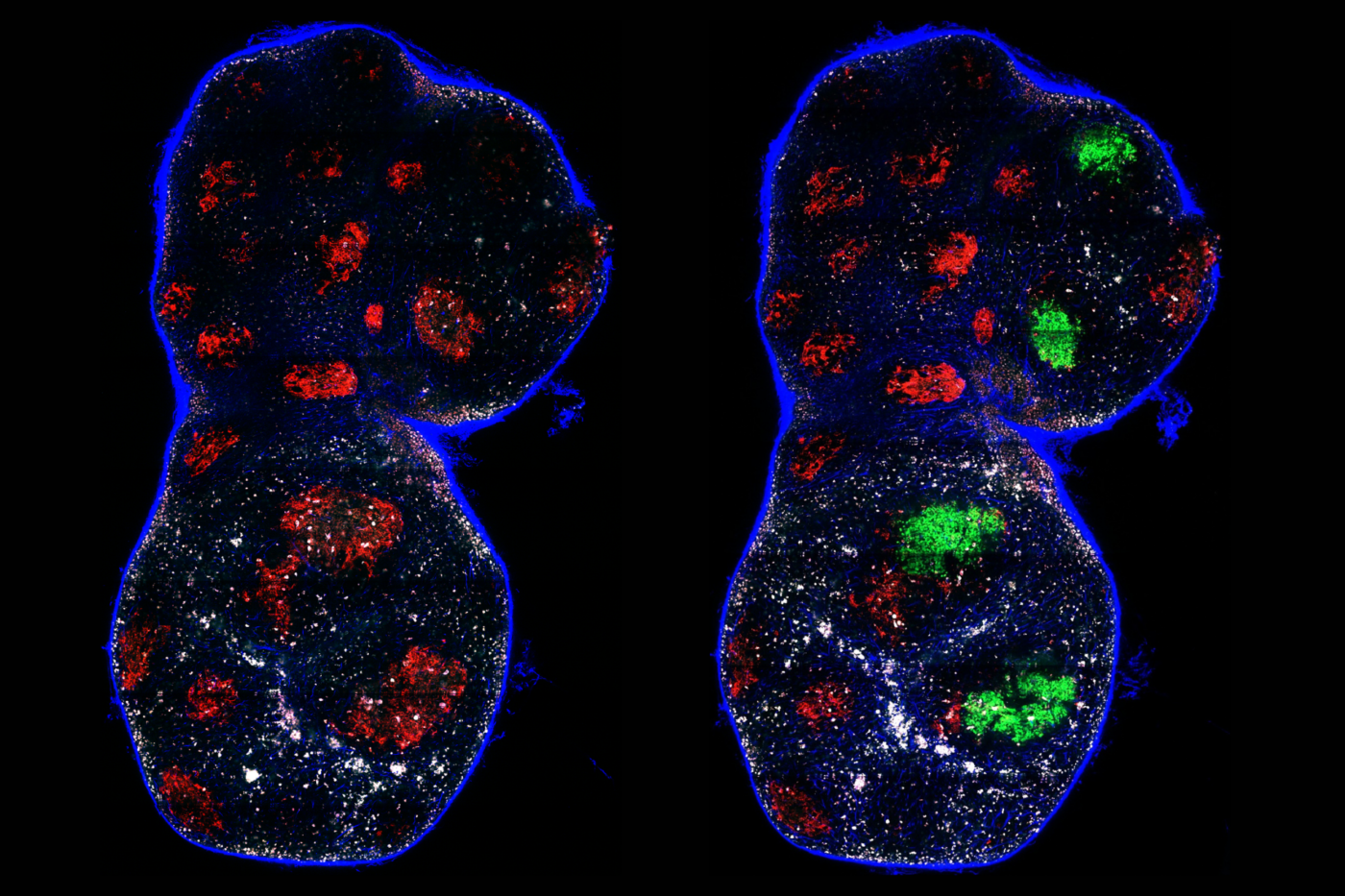
A new study reveals how germinal centers produce powerful antibodies through noisy rounds of mutation and selection, offering new insight into vaccine design—and larger themes in evolution.
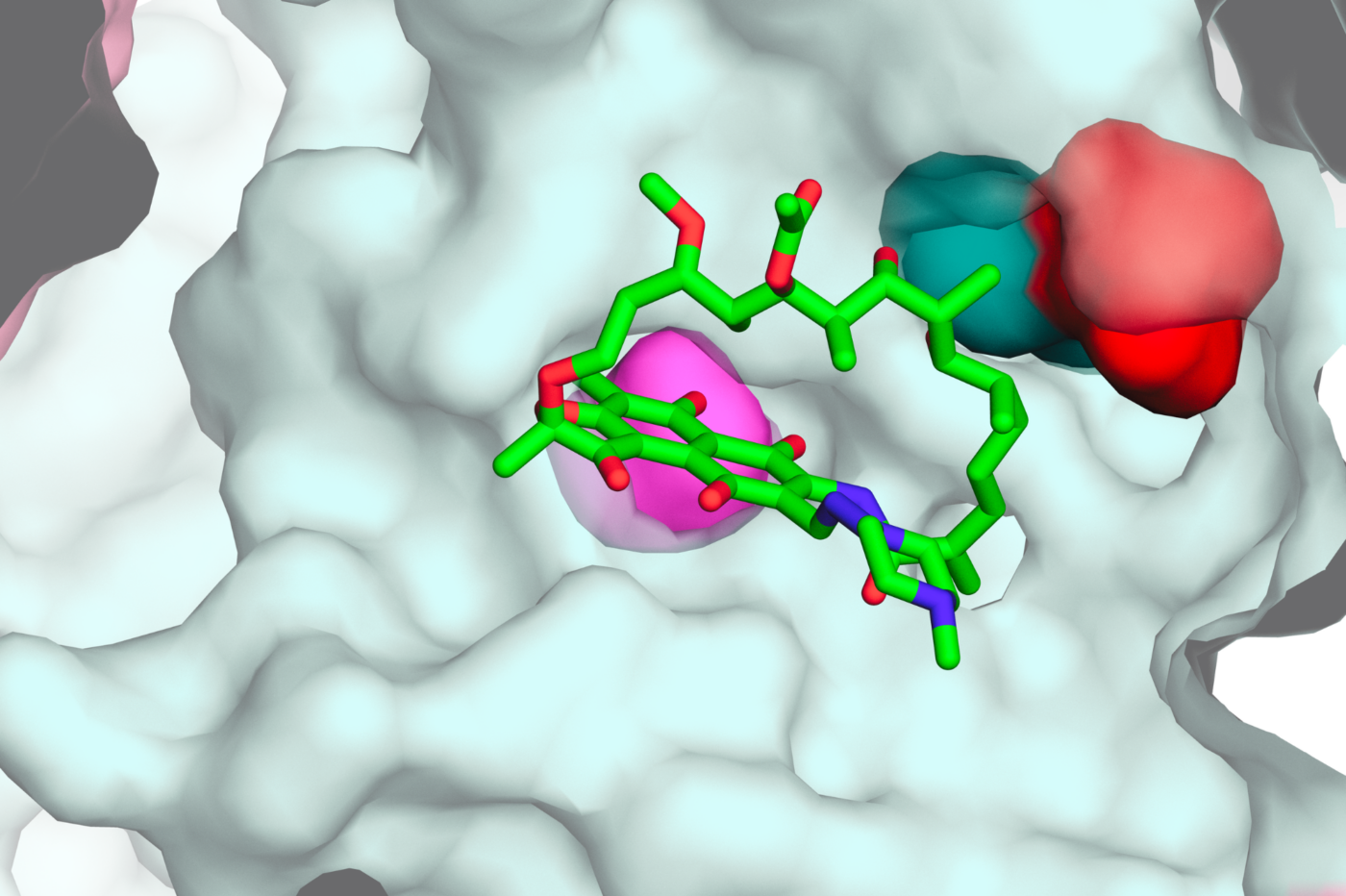
One of the most common drug resistance mutations in tuberculosis creates subtle metabolic weaknesses that could be exploited with future combination therapies.
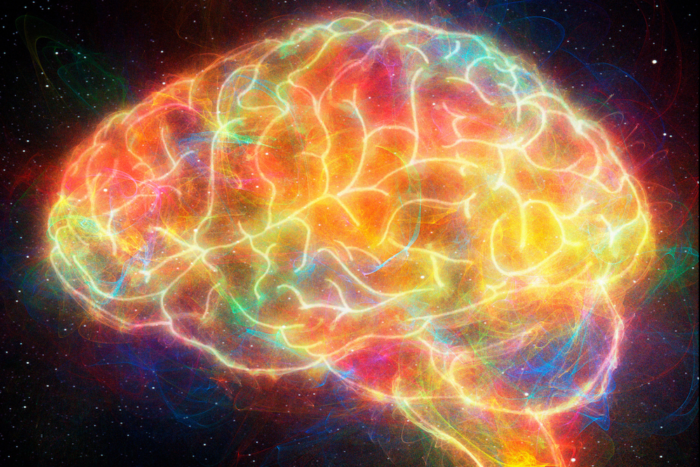
The brain activity that occurs during the act of drawing reveals fundamental neural properties and has implications for the improvement of brain-computer interfaces and the study of brain disorders.
Two techniques—one for optics-free spatial mapping of tissue organization and the other for the enrichment of rare cell types—offer new ways to study aging and disease.
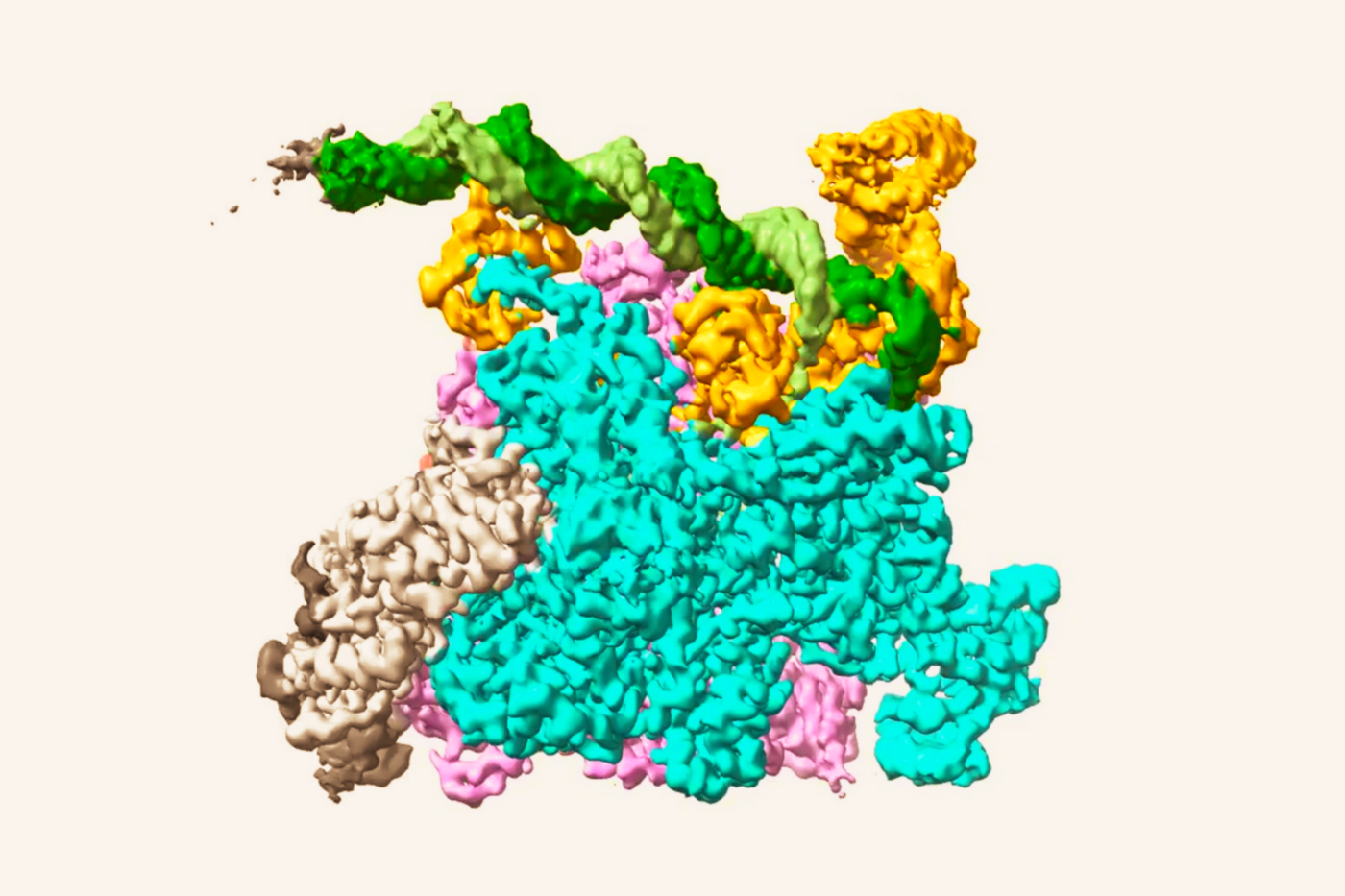
RNA polymerase, the enzyme that synthesizes RNA from DNA during transcription, has been captured mid-reaction for the first time. The findings provide a universal blueprint for gene expression.
The findings, which have implications for cancer and other diseases, resulted from capturing the first snapshot of a mechanical signaling complex in action.