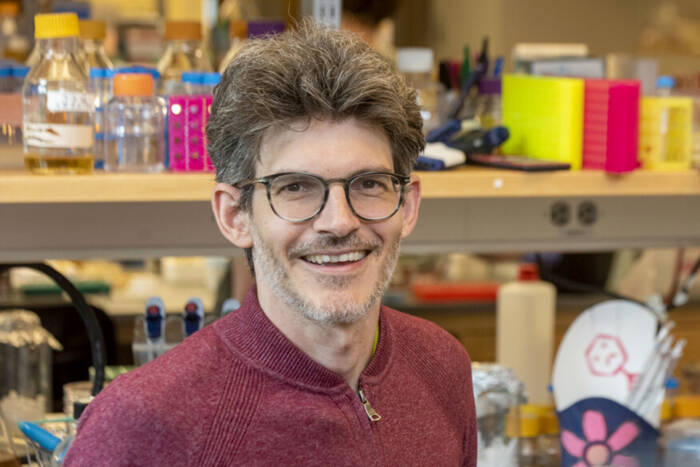
Luciano Marraffini’s research helped lay the groundwork for the newly FDA-approved CRISPR-based therapy for sickle cell anemia. He reflects on how we got here—and where the science is going next.
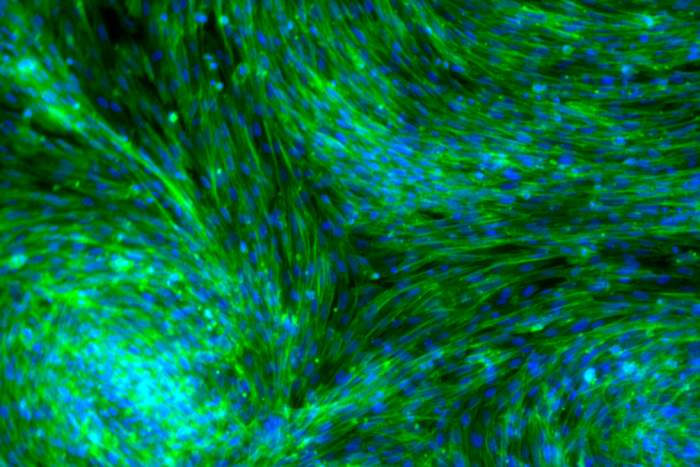
By focusing on the emergent features of cell collectives, instead of individual cells, scientists forge a new path for understanding how organs develop their architecture.
From plumbing the depths of wound repair to tackling how songbirds solve problems, here are some fascinating discoveries that came out of Rockefeller in 2023.
“I believe this is going to be a very fruitful find. Every time people have studied nutrient sensing, we’ve learned a lot about biology, and many drugs have been developed as a result.”
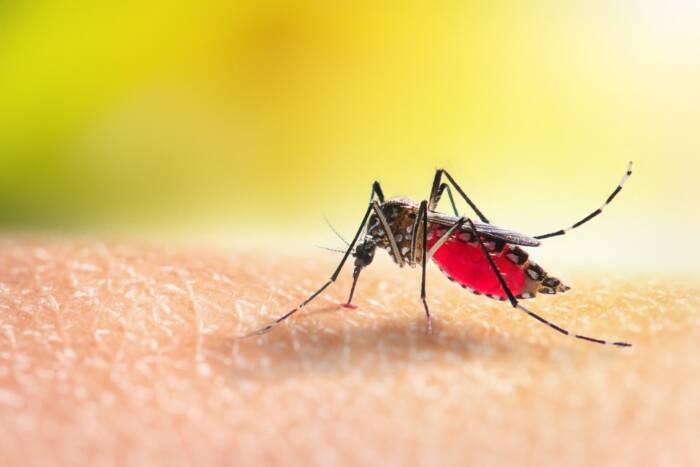
Why do our bodies not only fail to learn from prior dengue infection but also become more vulnerable to it as a result? New research pinpoints a subgroup of antibodies that may be to blame.