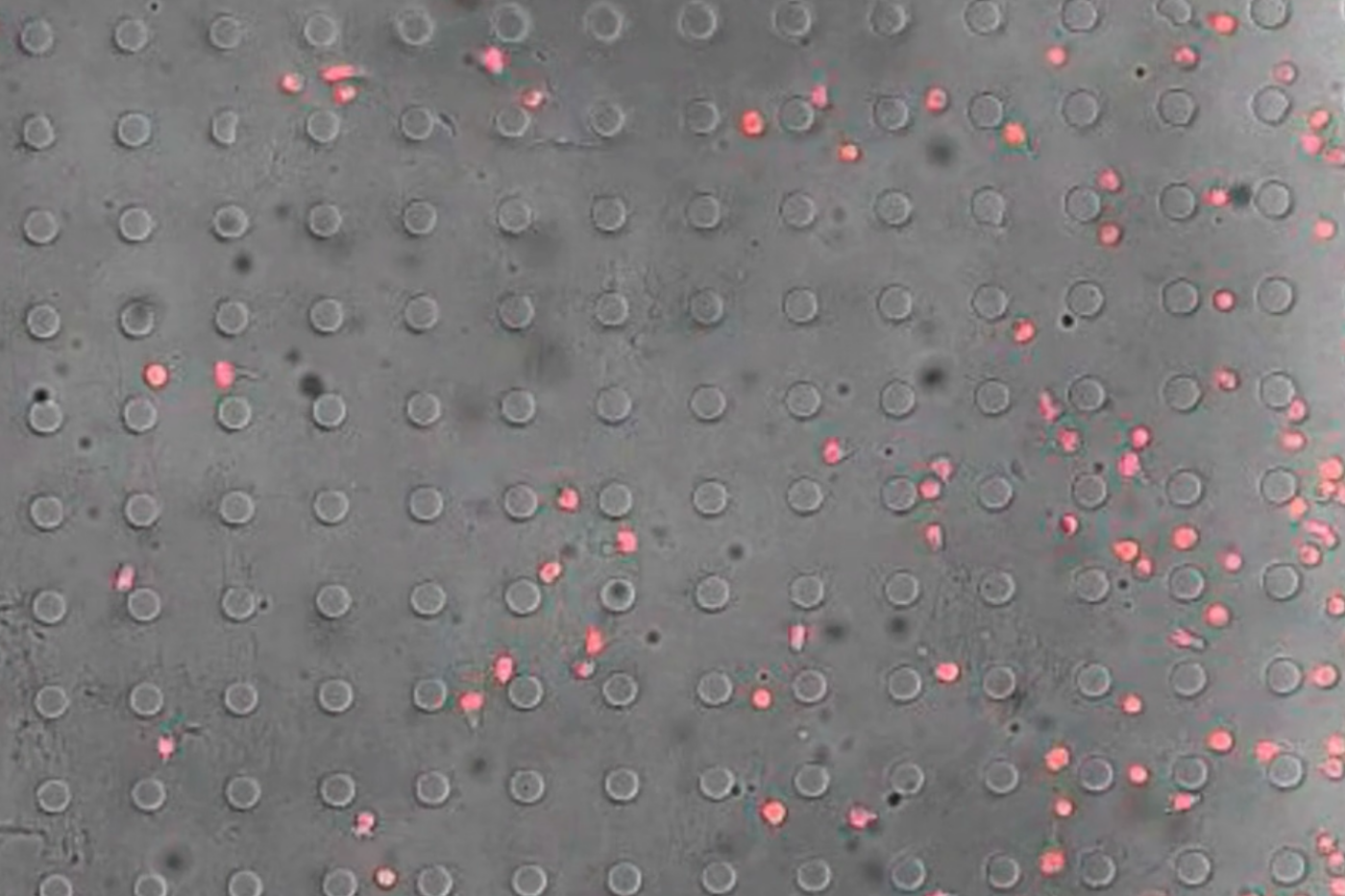
uLIPSTIC, an updated method for directly observing physical interactions between cells, could allow scientists to one day map every possible cell interaction.
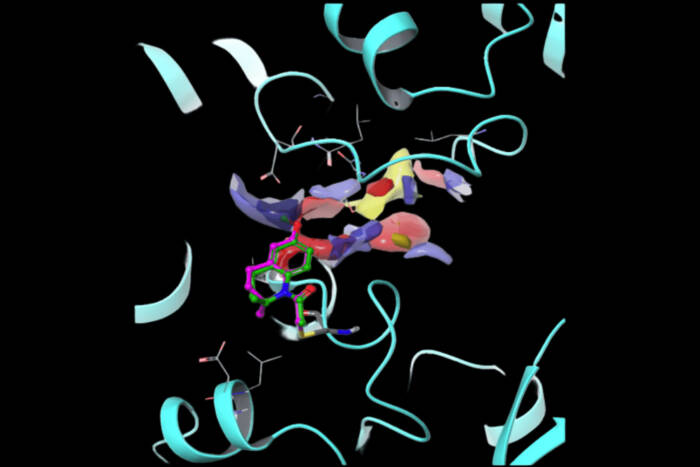
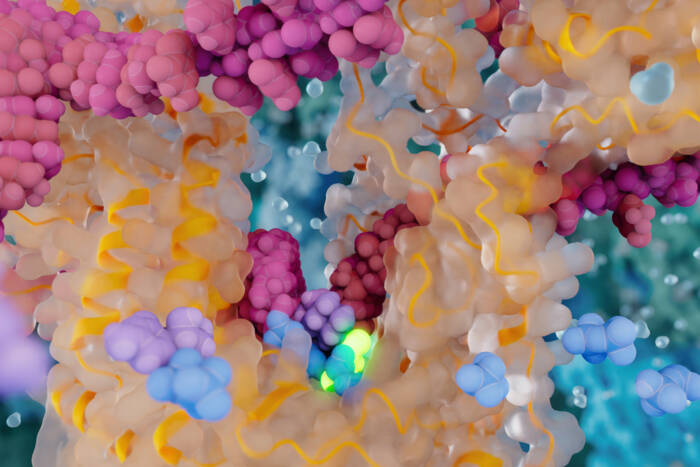
A novel platform allows researchers to directly target enzymes implicated in infectious diseases, several genetic disorders, and some cancers for the first time.
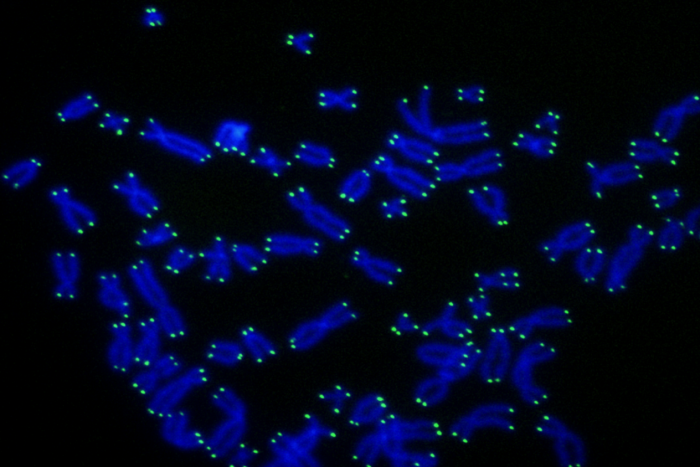
The end replication problem dictates that telomeres shrink unless telomerase intervenes. But the problem is actually twice as complicated, with telomerase providing only part of the solution.
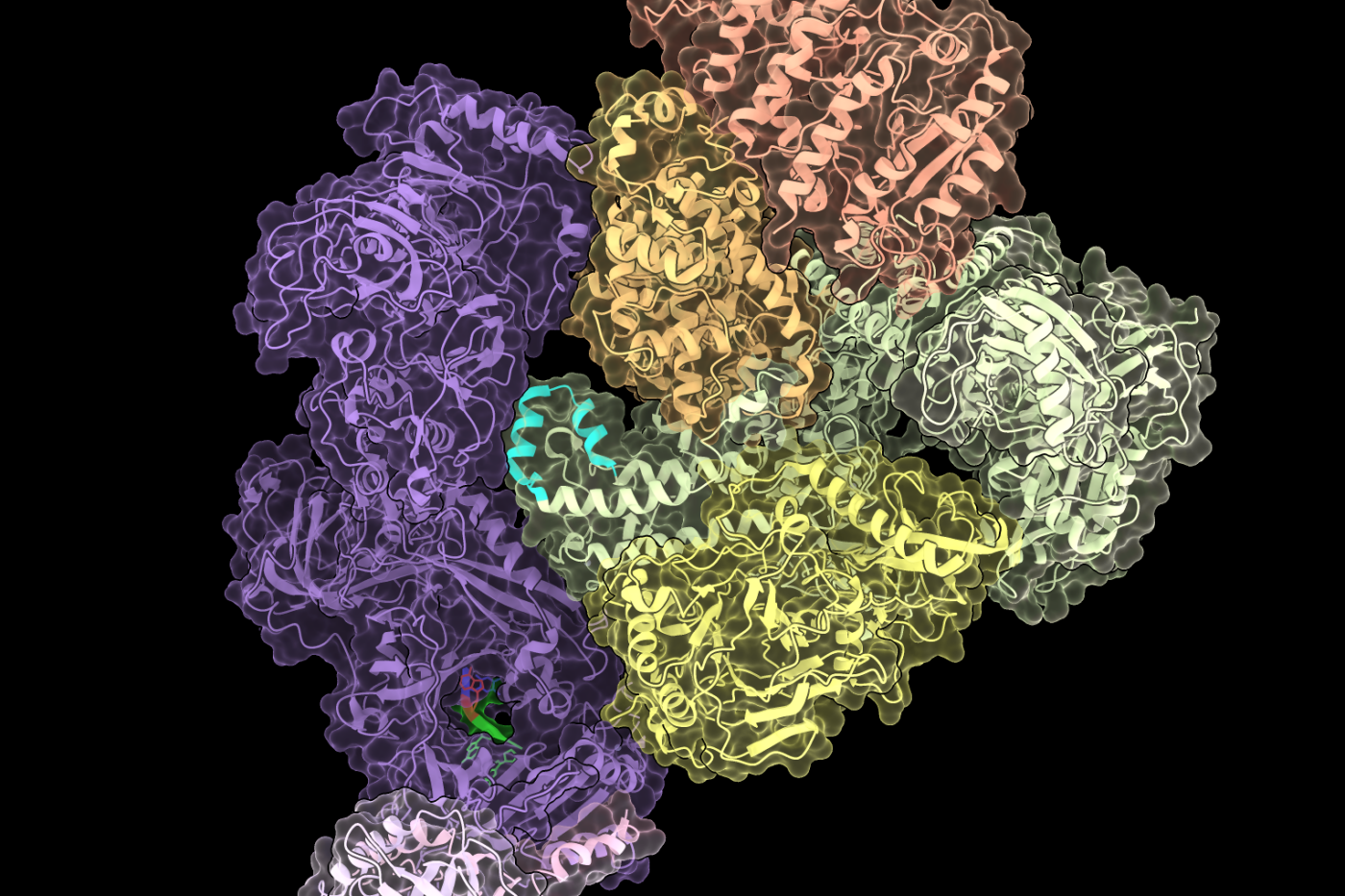
The absence of a single immune cell receptor has been linked to both fewer defenses against mycobacterial infections, such as TB, and damaging buildup of sticky residue in the lungs.
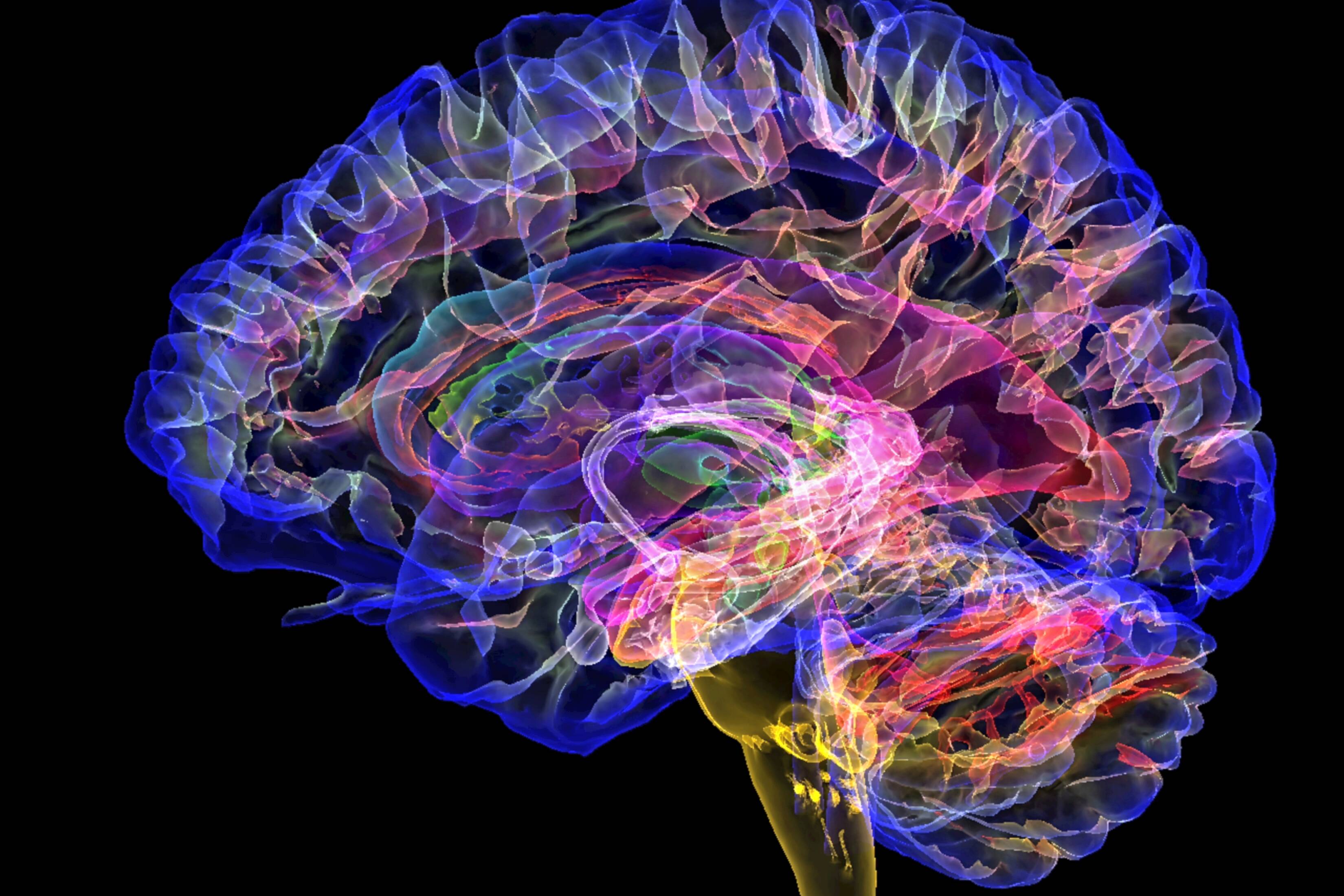
A class of ineffective immune cells may be driving Alzheimer’s disease, a finding that could both explain why APOE4 gene increases the risk of the disease and why a new drug can impact it.