Breakthroughs in genetics, biochemistry, neuroscience, infectious disease, and drug development were a few of the year's highlights.

The findings shed a rare light on mitoribosomes, the unique ribosomes found within the cell's mitochondria.

People who receive monoclonal antibodies before vaccines may benefit from increased coverage, due to antibody feedback inhibition.

Patients with Fanconi anemia have an elevated risk for squamous cell carcinoma, a highly aggressive head-and-neck cancer. New findings pinpoint the mechanisms linking the two conditions, and also shed new light on how smoking or drinking may elevate anyone’s cancer risk.

The findings suggest that many of the mutations in cancer may simply be setting in stone a path already forged by the tumor stem cell’s aberrant dialogue with its surroundings.

This newly discovered “social fluid” appears to unite ant colonies across developmental stages into one superorganism.

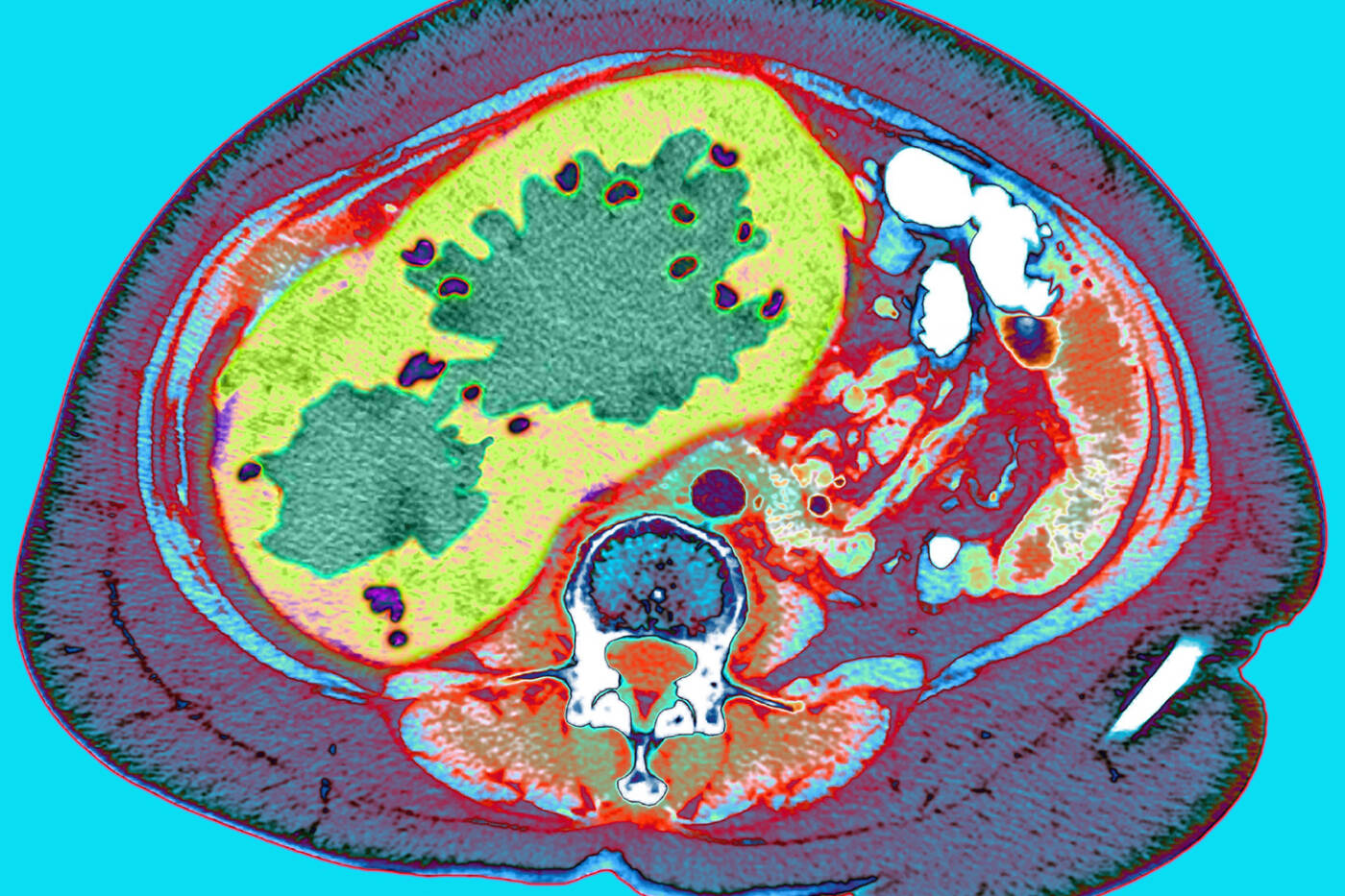
Fibrolamellar carcinoma needs one specific mutation in order to thrive, and impeding it reduces tumor growth in mice.

When an actin filament bends during cell movement, older actin deforms differently than newer actin, allowing regulatory proteins to tell the two states apart.

If jurisdictions plan to share resources in advance, the study concludes, this could prevent one rare event from overwhelming a county or state.

The female mosquito will hunt down any human, but some of us get bitten far more than others. The answer why may be hidden in our skin.