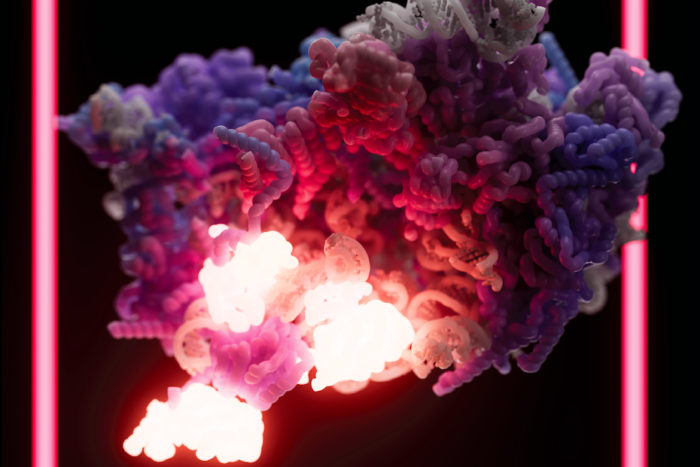
As with many cutting-edge therapies, we know more about the drug's effectiveness than we do about how it actually operates. A new study reveals a possible mechanism for its impact on patients.
Patients with a specific cocktail of COVID exposure had the highest level of antibodies against SARS-CoV-2 and its variants, which also provided a strong immunological shield for their babies.
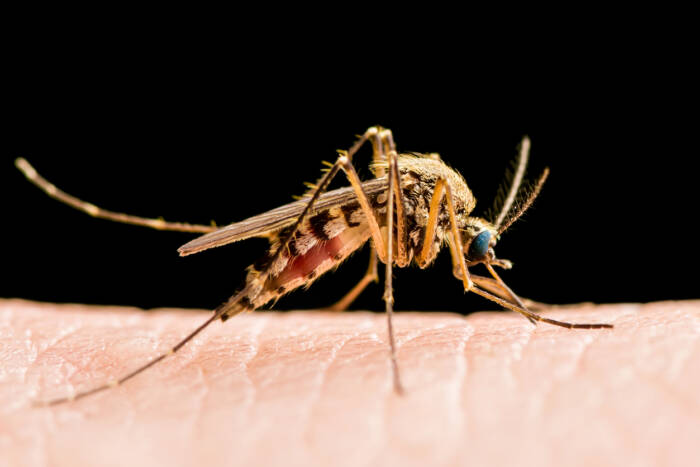
With 40% of encephalitis cases now explained by an autoimmune deficiency, West Nile virus "is by far the best understood human infectious disease in the world. It’s stunning.”
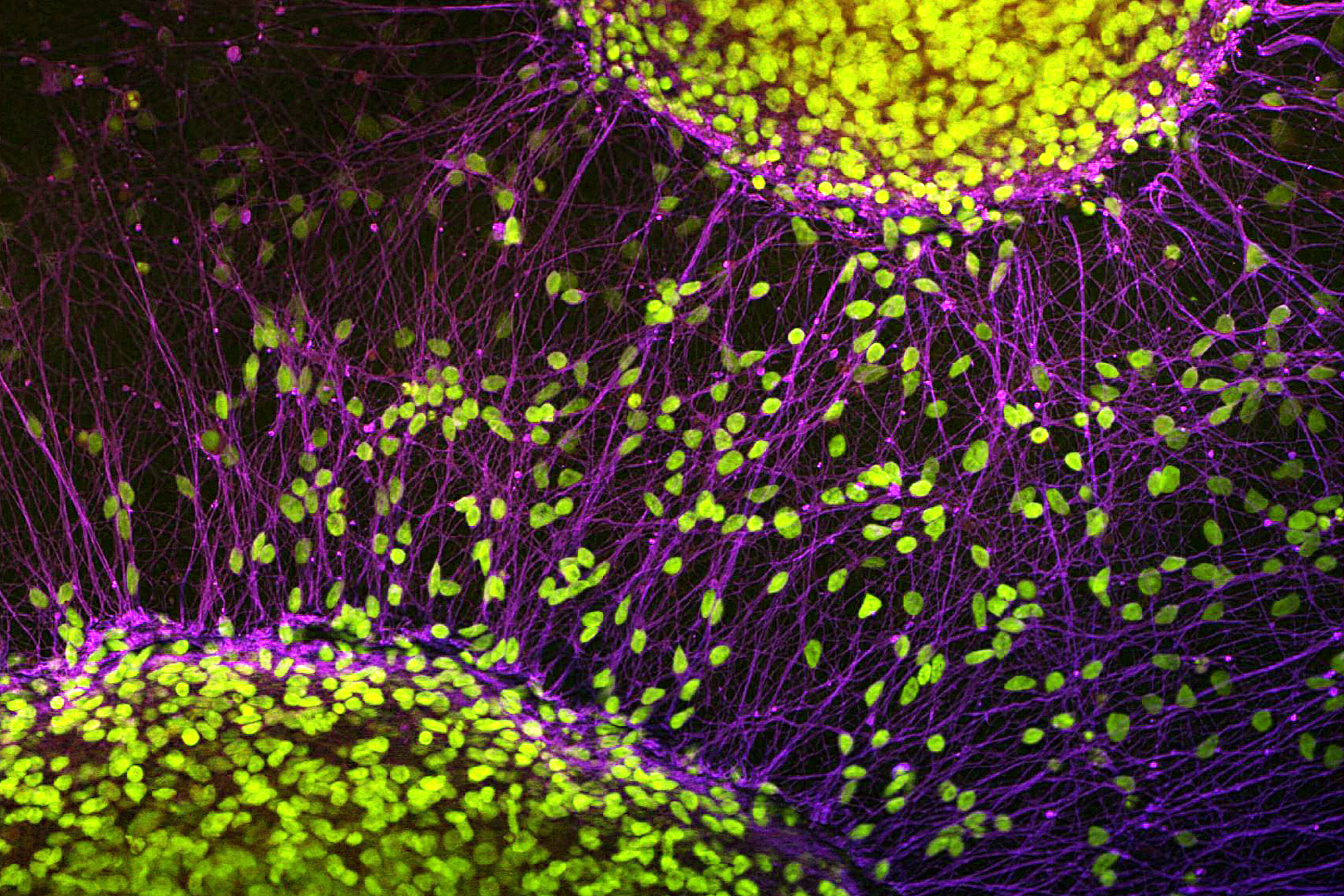
They identified a brain signal that guides one type of decision-making—findings that could build a foundation for understanding how humans make educated and strategic decisions.
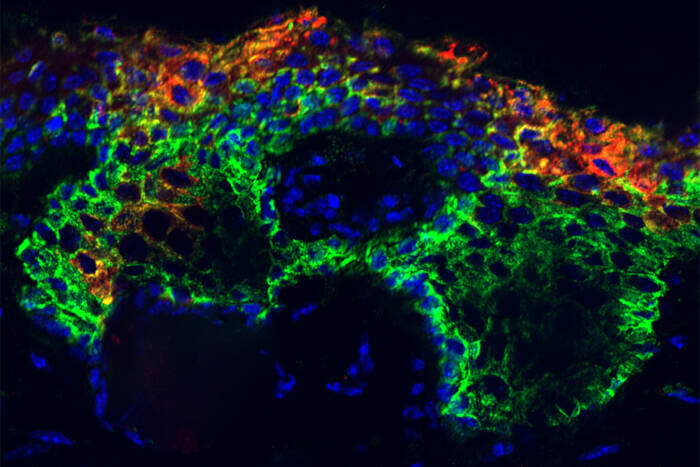
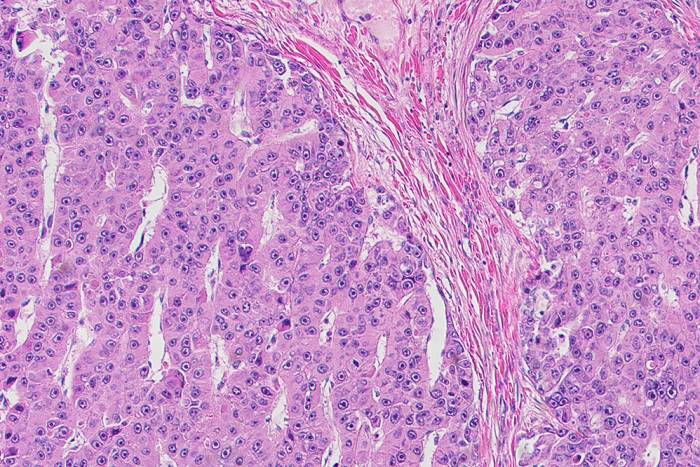
Fibrolamellar carcinoma not only hinders the body's ammonia consumption but also produces ammonia, a finding with sweeping implications for treating this cancer—and the study of ammonia metabolism.