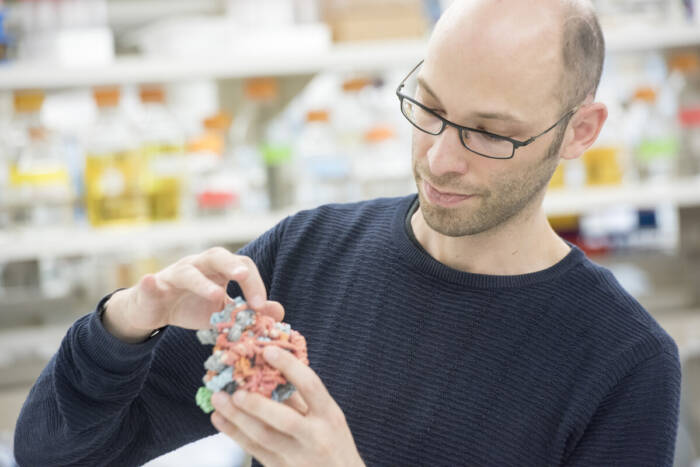
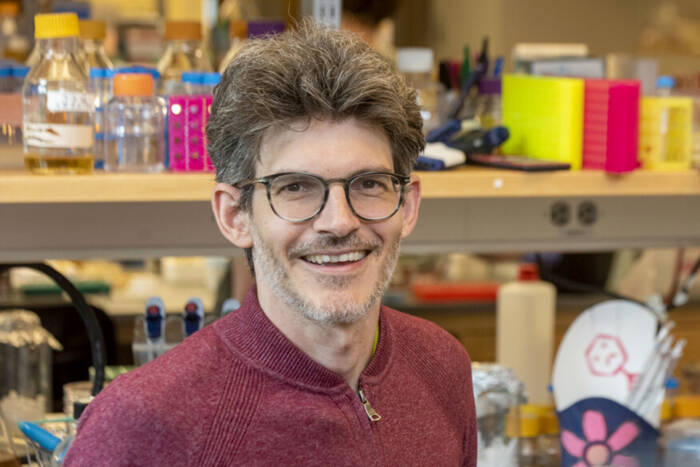
Ribosomes manufacture the proteins that underlie nearly every biological function. Understanding exactly how they are assembled would reveal fundamental principles about how life itself is maintained.
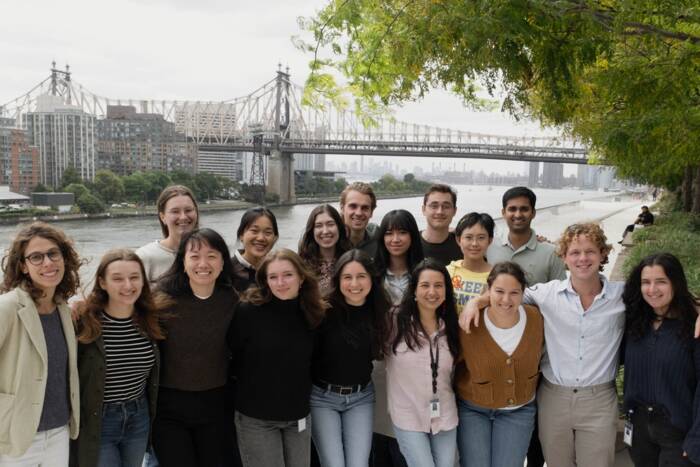
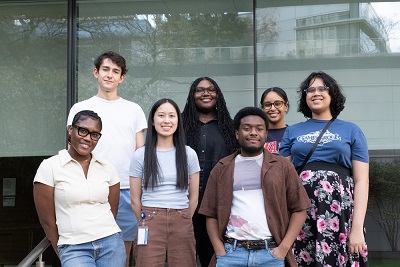
The new programming, which spans the full month of September, is designed to teach essential skills and ground students in different research opportunities before lab rotations begin.
His work has been crucial for the development of new antibiotics, which are urgently needed in a world where multi-resistant superbugs are a major threat to public health.
Mojsov’s discovery of GLP-1 and its critical role in the regulation of insulin secretion and blood glucose led to the development of a revolutionary new class of medicines.
A Rockefeller employee since 2001, Chin will be missed by many in the community who came to rely on his deep technical expertise and graceful approach to problem solving.
Students in the BIOGROW program participate in professional development and community building events in collaboration with the university's Office of Diversity, Equity, and Inclusion.
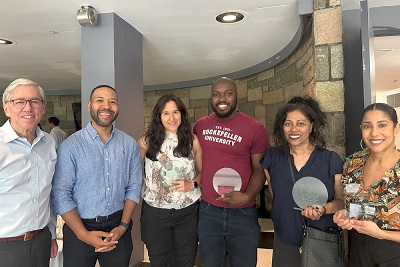
Four community members—Sadye Paez, Elizabeth Campbell, Yuriria Vázquez, and Chad Morton—were recognized for their advocacy work both within the university and in the wider scientific community.
Vosshall is recognized for her pioneering studies of the mosquito Aedes aegypti, which transmits pathogens causing human diseases including dengue, Zika, chikungunya, and yellow fever.
Bieniasz is being honored for his work on the life cycle of retroviruses and their interactions with host proteins. With his election, nearly half of Rockefeller faculty are NAS members.
Thomas Tuschl has devoted his career to making discoveries that bridge the gap between bench and business—and have resulted in entirely new classes of drugs.
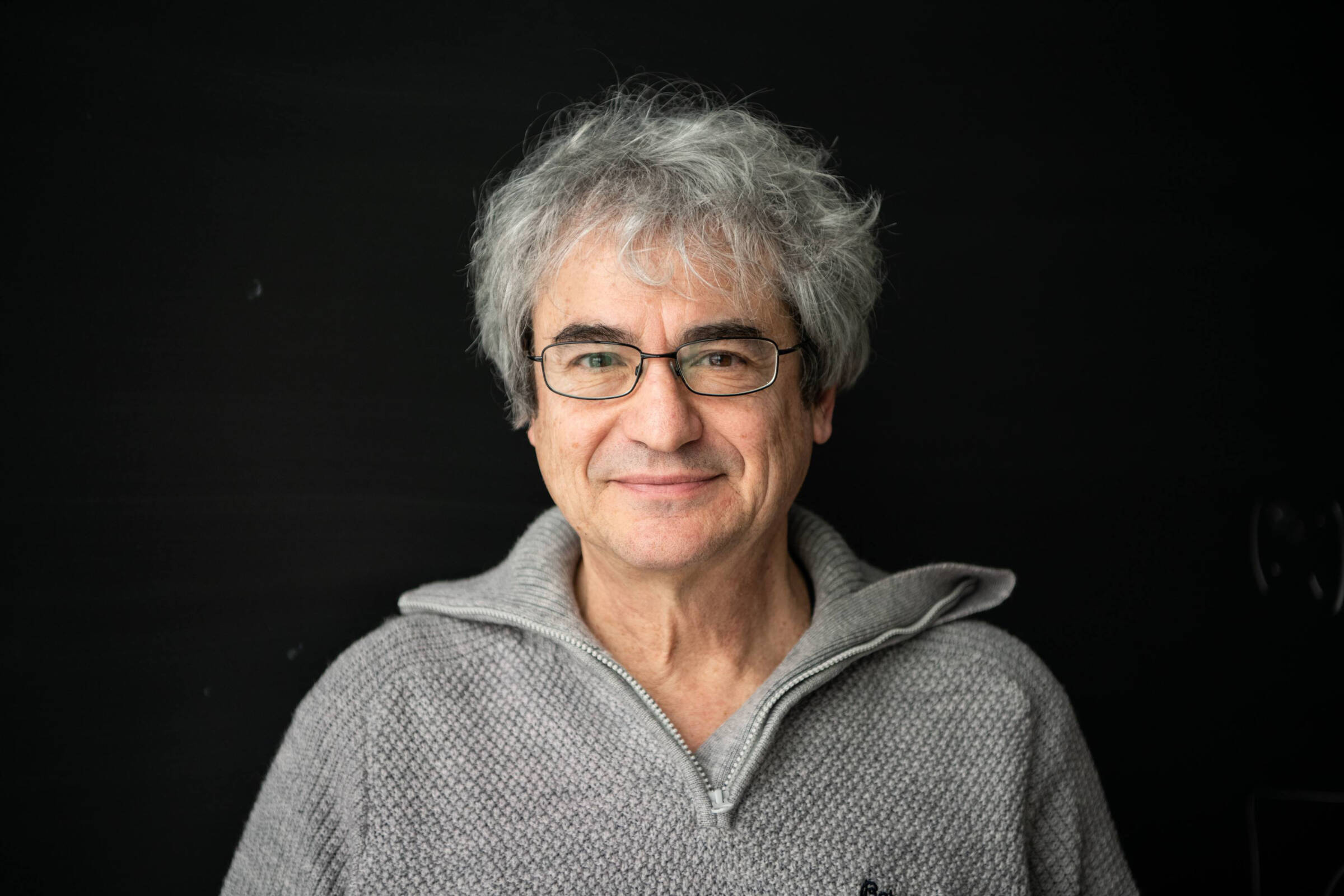
The author of There Are Places in the World Where Rules Are Less Important Than Kindness was presented with Rockefeller’s prestigious science writing award on April 9.
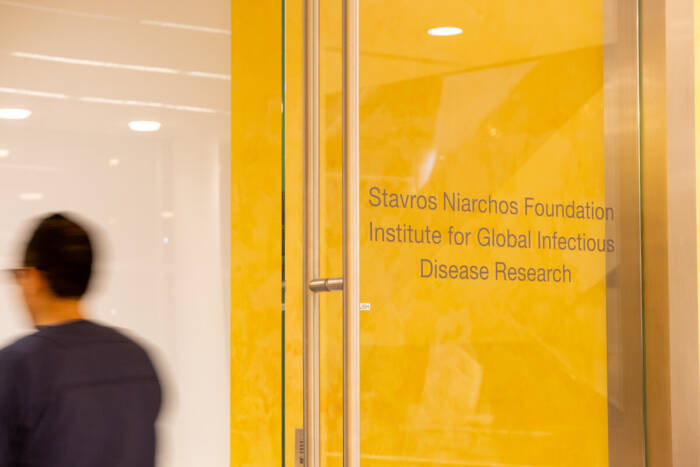
SNFiRU, which aims to better understand the agents that cause infectious disease and to lower barriers to treatment and prevention globally, launched numerous initiatives in its inaugural year.
Mojsov's research into hormonal triggers for insulin production led to groundbreaking treatments for diabetes and obesity. She will be presented with the award on April 17.