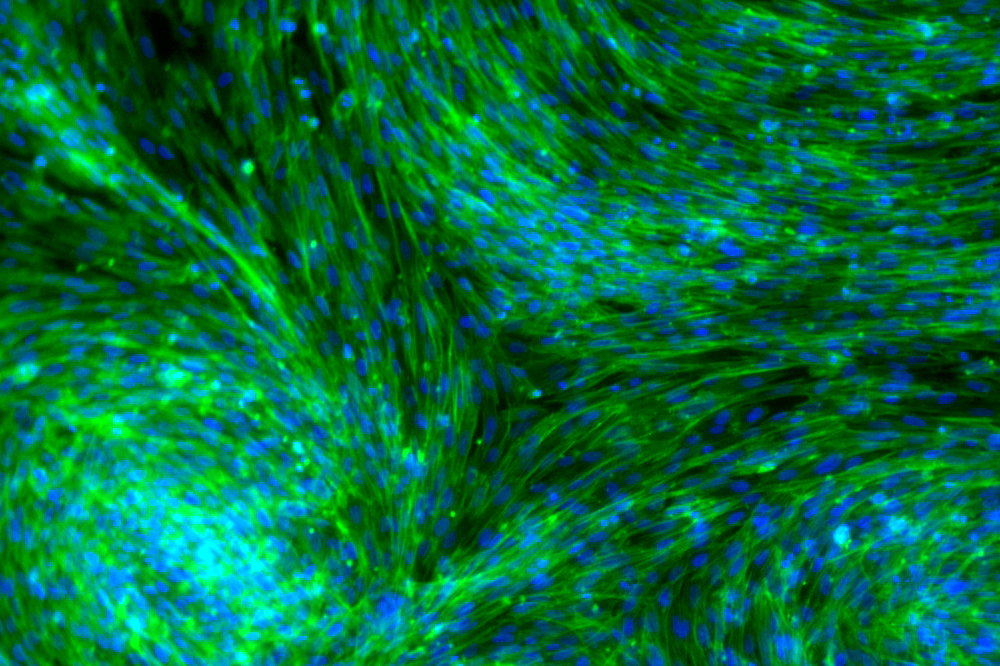
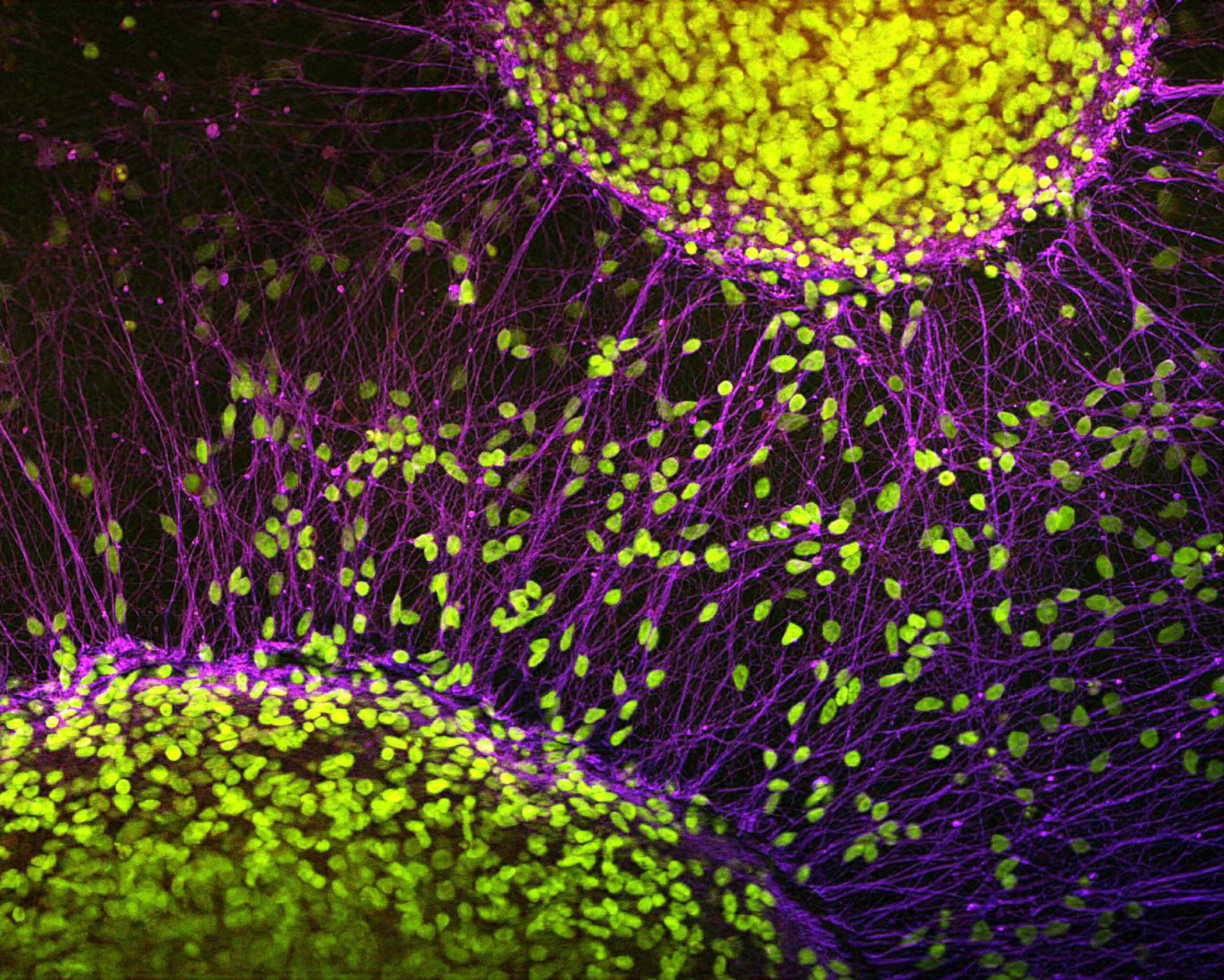
Scientists used light-inducible gene expression to demonstrate that formation of the body axes in human embryo models requires an interplay between chemical cues and mechanical forces.

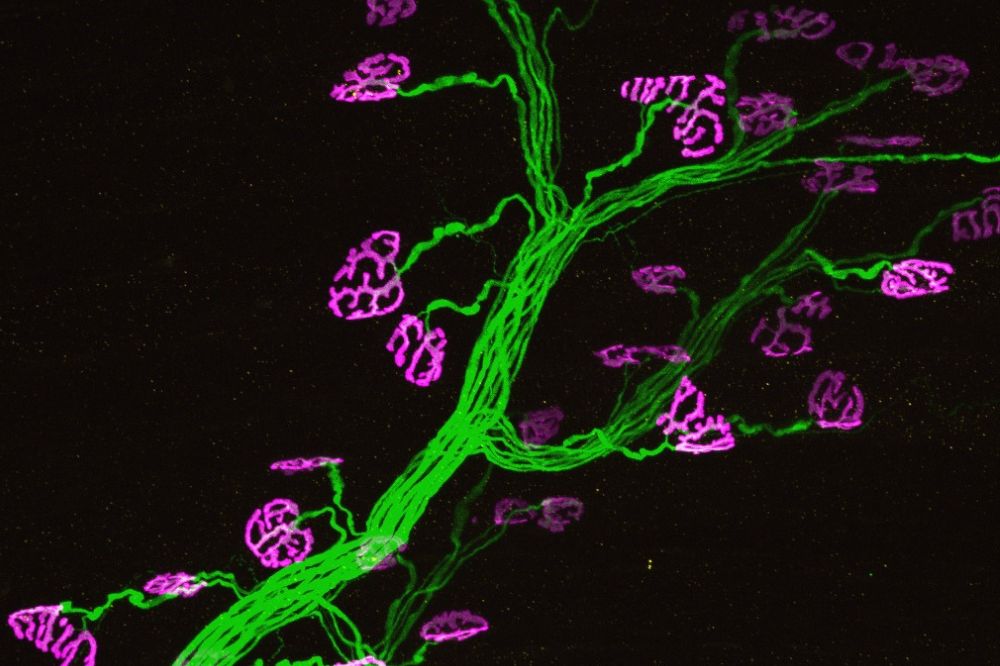
Boosting PI31 has been shown to head off Parkinson’s-like disorders and extend lifespan in fruit flies and mice, pointing to a possible new therapeutic target for treating rare neurodegenerative diseases, as well as more common disorders, such as Alzheimer's.
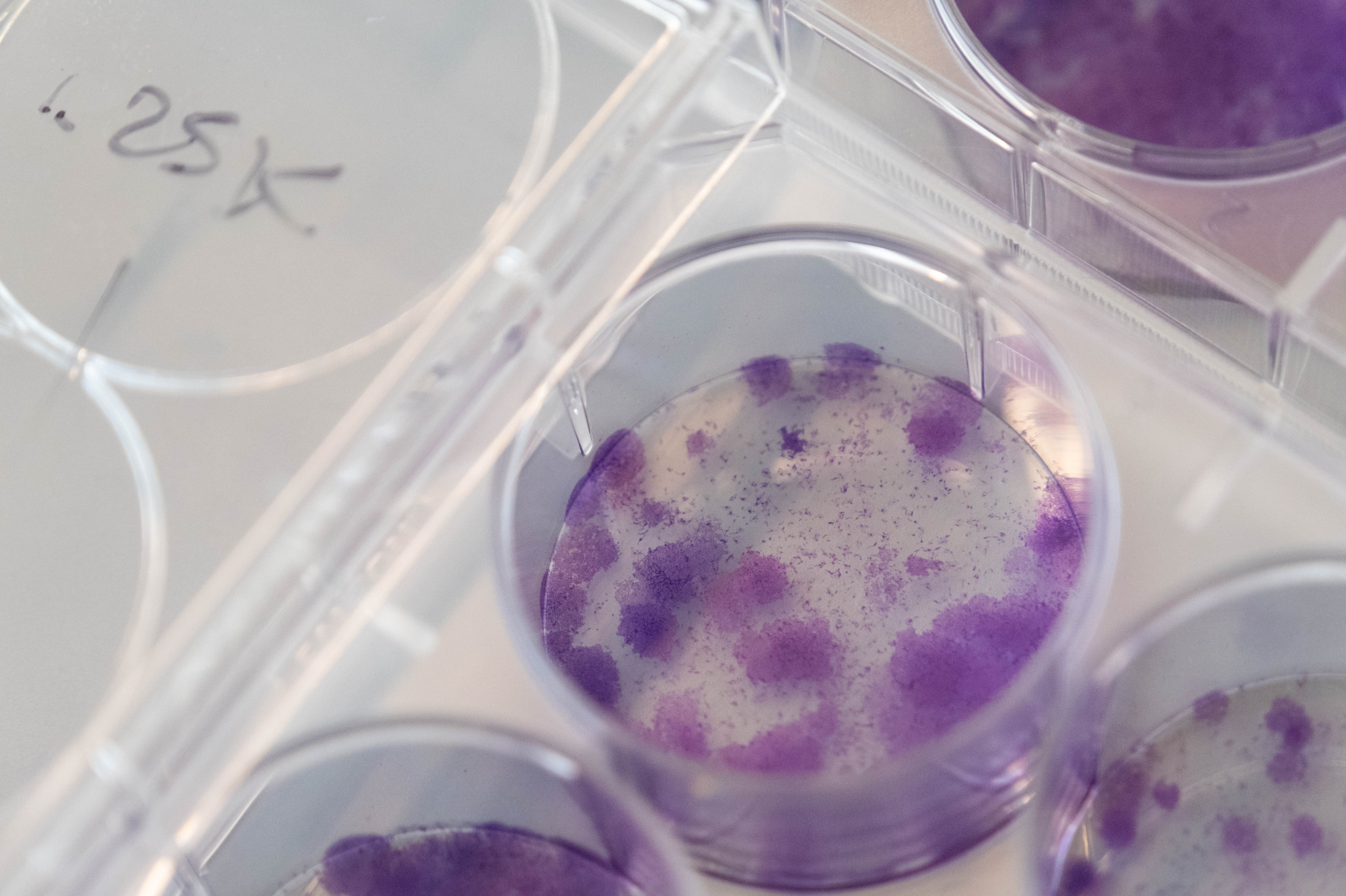
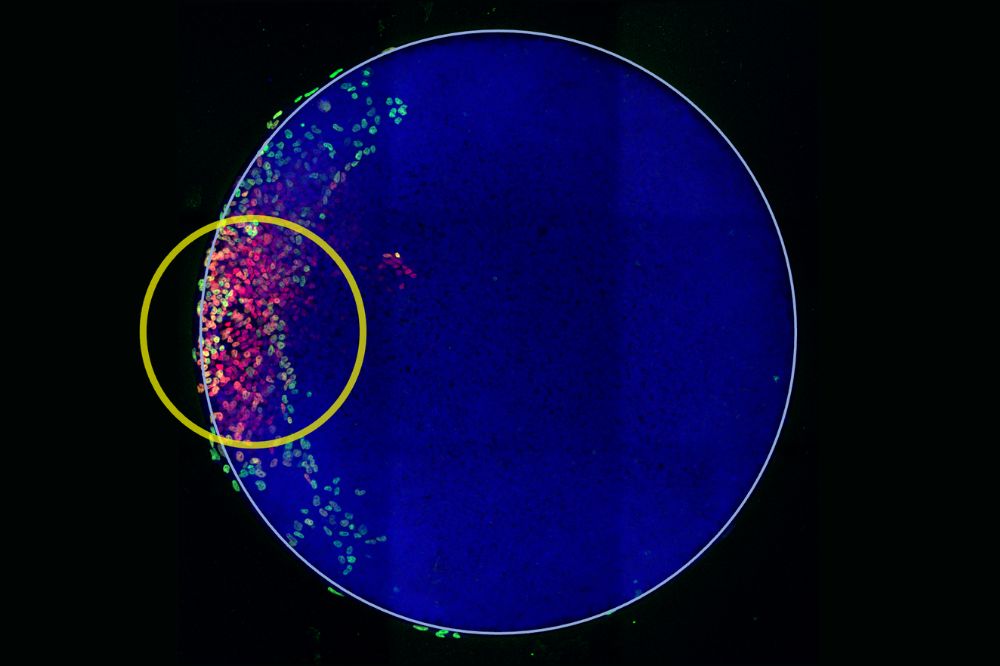
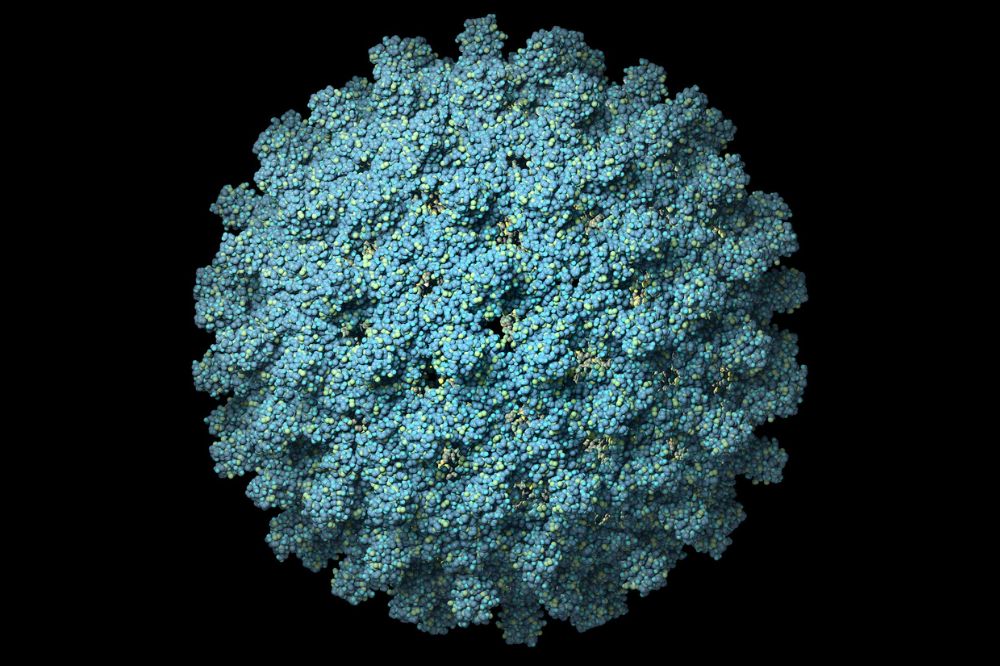
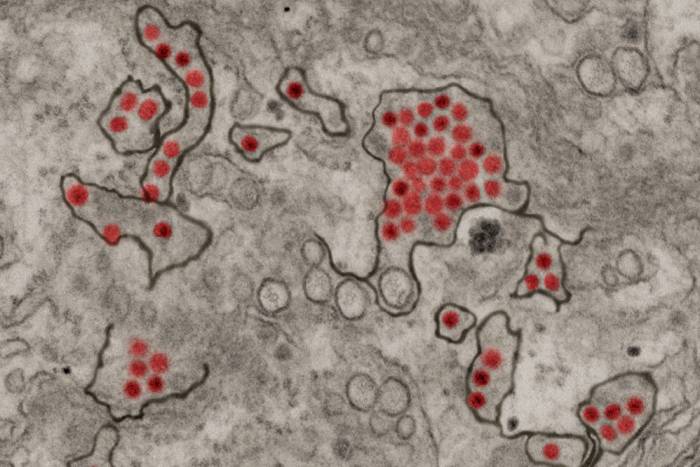
A collaboration between Rockefeller, MSK, and Weill Cornell answers a longstanding mystery about the basic biology of the hepatitis B virus, while also proposing a novel therapy.

New research on nematodes reveals how glial cells maintain and monitor neuronal dendrites.

A newly created atlas of 21 million cells could upend long-held assumptions about how we age and provide fresh directions for anti-aging therapies.

The new platform’s ethically grounded approach promises to reveal much about how human embryos form during the earliest stages of pregnancy.

It also reduces the cost of a million single-cell transcriptomes from $10,000 to $700—and the time necessary down to about a day.

By focusing on the emergent features of cell collectives, instead of individual cells, scientists forge a new path for understanding how organs develop their architecture.   

The novel technique may offer panoramic view into the mechanisms of many diseases and the enigma of aging.

The labs of Ali Brivanlou and Charles M. Rice collaborated to refine a cell culture technology platform that grows genetically identical lung buds from human embryonic stem cells.
View
View