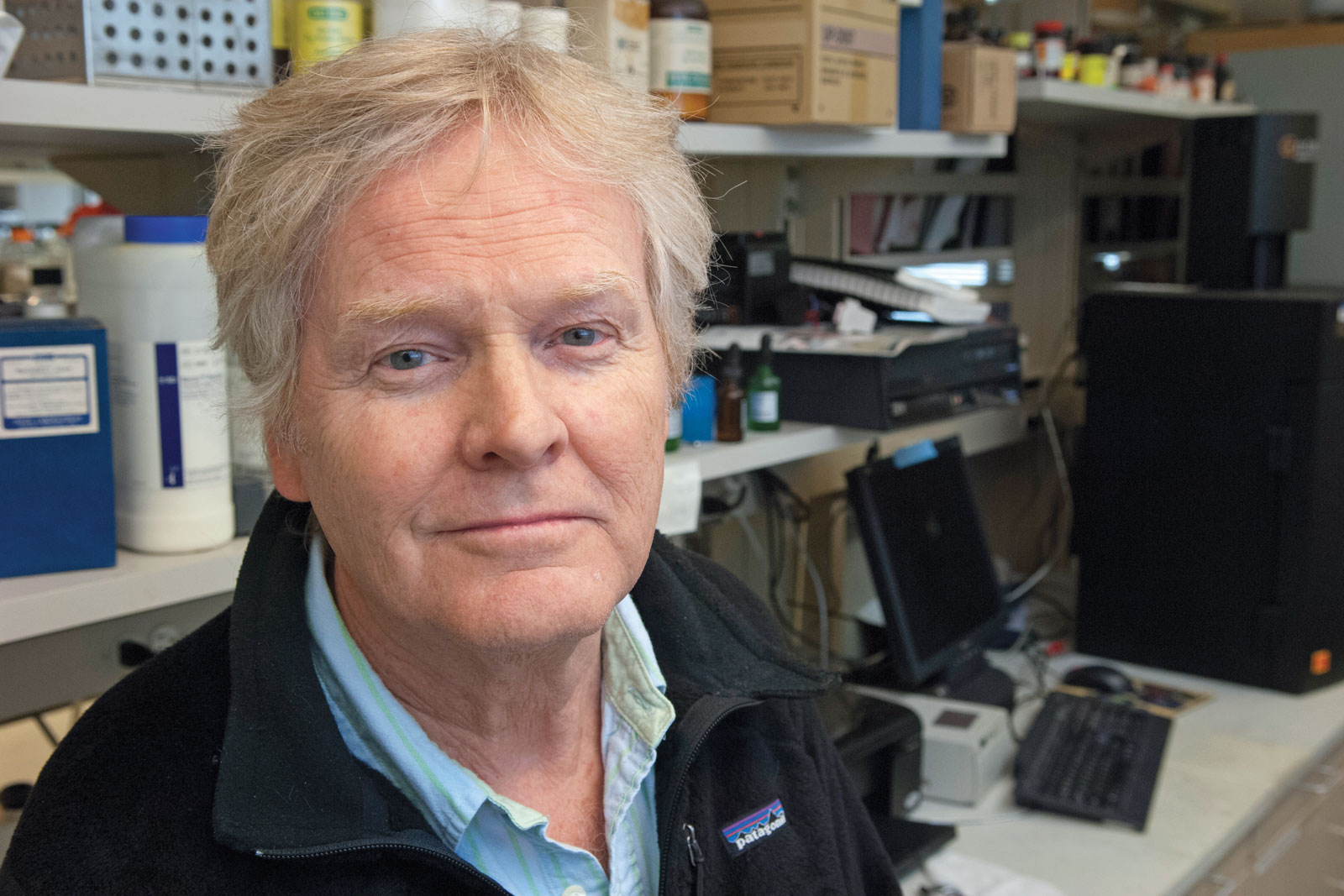
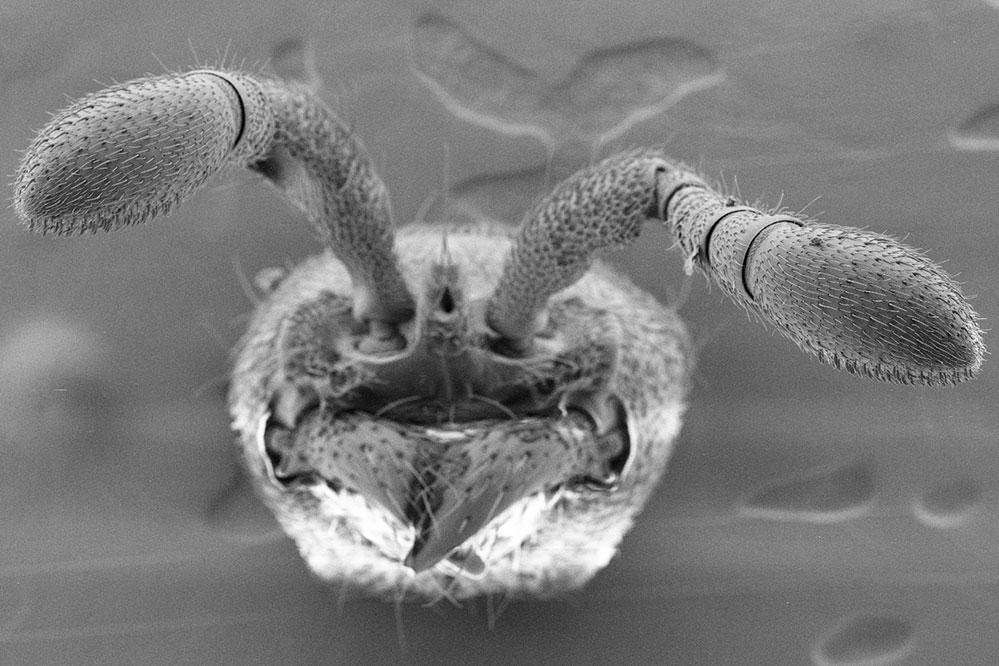
In the rats that roam New York City’s streets and tunnels, scientists have found a virus that resembles hepatitis C. They have used it to create the first animal model of the human disease, a breakthrough that potentially could yield a much-needed vaccine.
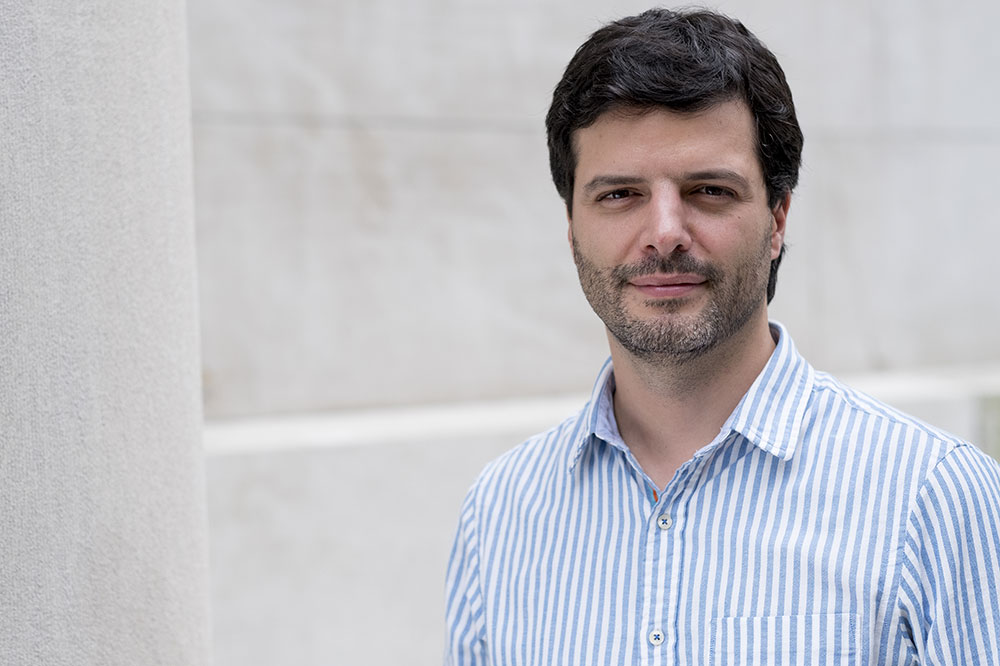

Jeremy M. Rock uses genetics to investigate how the microbe causes disease. He will join Rockefeller’s faculty on January 1, 2018.

Stem cells in the hair follicle are organized by the cell type they will eventually become in unique compartments, at the ready to regenerate tissue.

Allis has received the March of Dimes Prize in Developmental Biology. The award, given to investigators whose research offers hope for the prevention and treatment of birth defects and other infant diseases, honors Allis for his groundbreaking work on gene regulation.

Searching for a way to thwart Zika, scientists have discovered an antibody with a potent ability to neutralize the virus.

Scientists have long seen parallels between healing wounds and growing tumors. In studying the molecular changes that occur within both, a research team has discovered a new cancer-fuelling mechanism that potentially could inform drug development.

The centromere region of chromosomes retains the same DNA from one generation to the next. Scientists have gained new insights into how it avoids being scrambled in normal cells, and how it becomes unstable in cancer.

Scientists have discovered a common mutation that might explain why some people have trouble going to sleep at night and getting up early. The gene alteration slows the internal biological clock that regulates our sleeping patterns.

Researchers have found that the bacterial immune system targets an invading virus as soon as it enters the cell. This discovery answers a long-standing question about how microbes defend themselves.

In some people whose cognitive functions are weakened due to Alzheimer’s, the disease can be traced back to changes in the brain’s blood vasculature. Scientists have found that a protein involved in blood clotting and inflammation might offer a potential path to new drugs.