By determining the structure of a protein linked to a deadly form of arrhythmia, scientists have gained new insights about the condition.

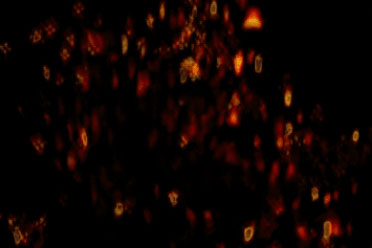
A new algorithm allows scientists to record the activity of individual neurons within a volume of brain tissue.

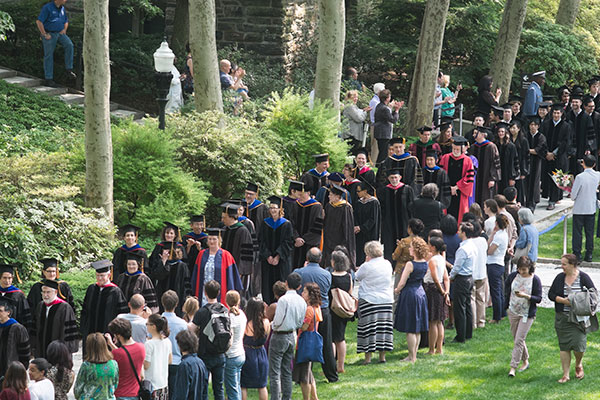
The Rockefeller University today awards doctoral degrees to 23 students who have completed their studies in bioscience. In addition, four distinguished scientists—Anthony B. Evnin, Mary-Claire King, Matthew Meselson, and Steven Weinberg—will receive honorary doctor of science degrees.
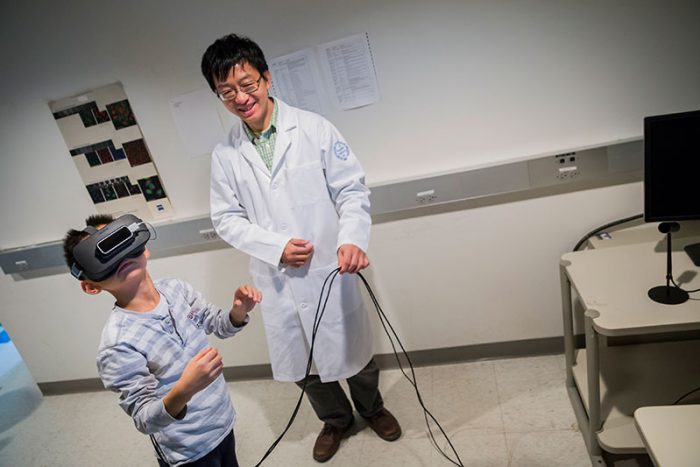
The fourth annual science festival drew more than 1,000 school-age children and their families to campus. The young explorers participated in hands-on experiments and interactive demonstrations led by scientists.

Scientists have identified the features that render a potassium channel in the heart vulnerable to interference by a range of drugs.

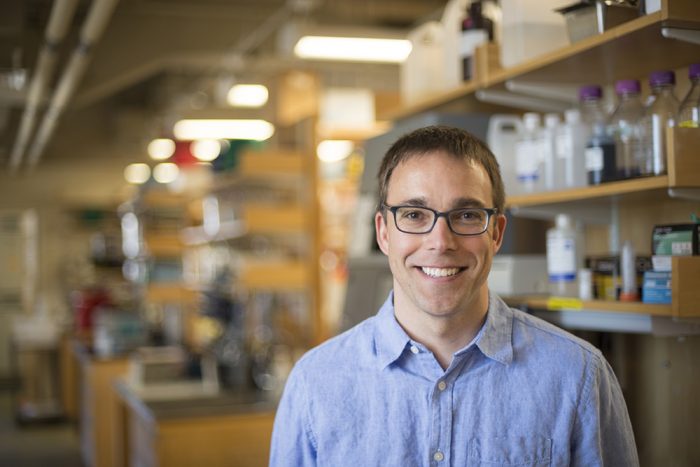
Jeremy M. Rock uses genetics to investigate how the microbe causes disease. He will join Rockefeller’s faculty on January 1, 2018.

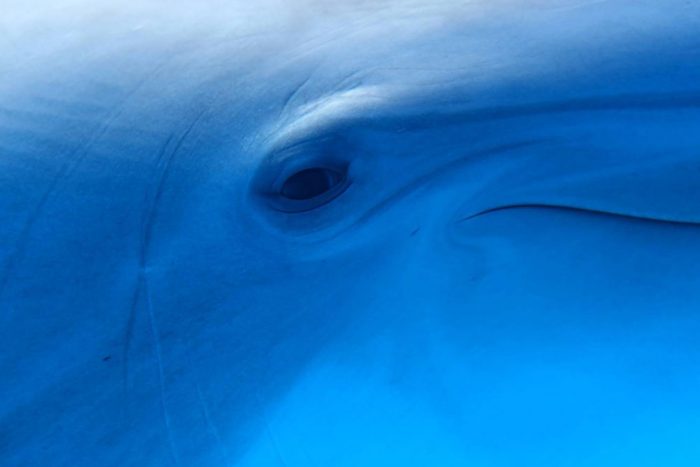
To learn more about dolphin cognition and communication, researchers have developed an underwater touchscreen using optical technology, the first of its kind.

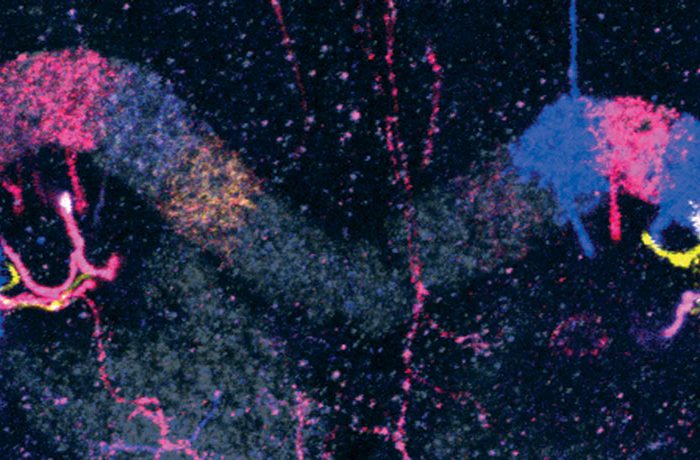
Researchers have uncovered the neurons that spin a fly’s internal compass when the insect turns—the first such mechanism identified in any animal.

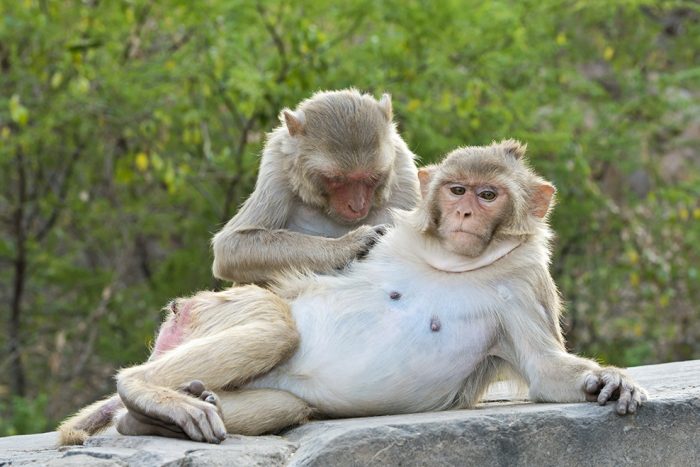
By studying rhesus monkeys, researchers have identified a brain network dedicated to processing social interactions—a discovery that offers tantalizing clues to the origins of our ability to understand what other people are thinking.

Rockefeller has the highest percentage of frequently cited scientific publications among more than 900 universities worldwide, according to a ranking created by the Center for Science and Technology Studies of Leiden University in The Netherlands.