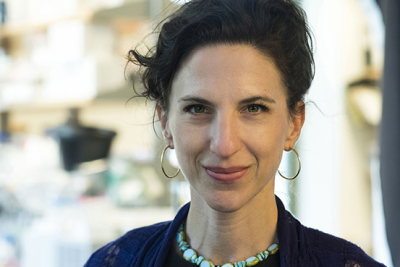
Ruta, who explores how brains produce such flexible responses to fixed stimuli, has been promoted to Gabrielle H. Reem and Herbert J. Kayden associate professor.
Kronauer has been promoted to associate professor. He has dedicated his laboratory to investigating the molecular basis underlying complex social behavior among insects.
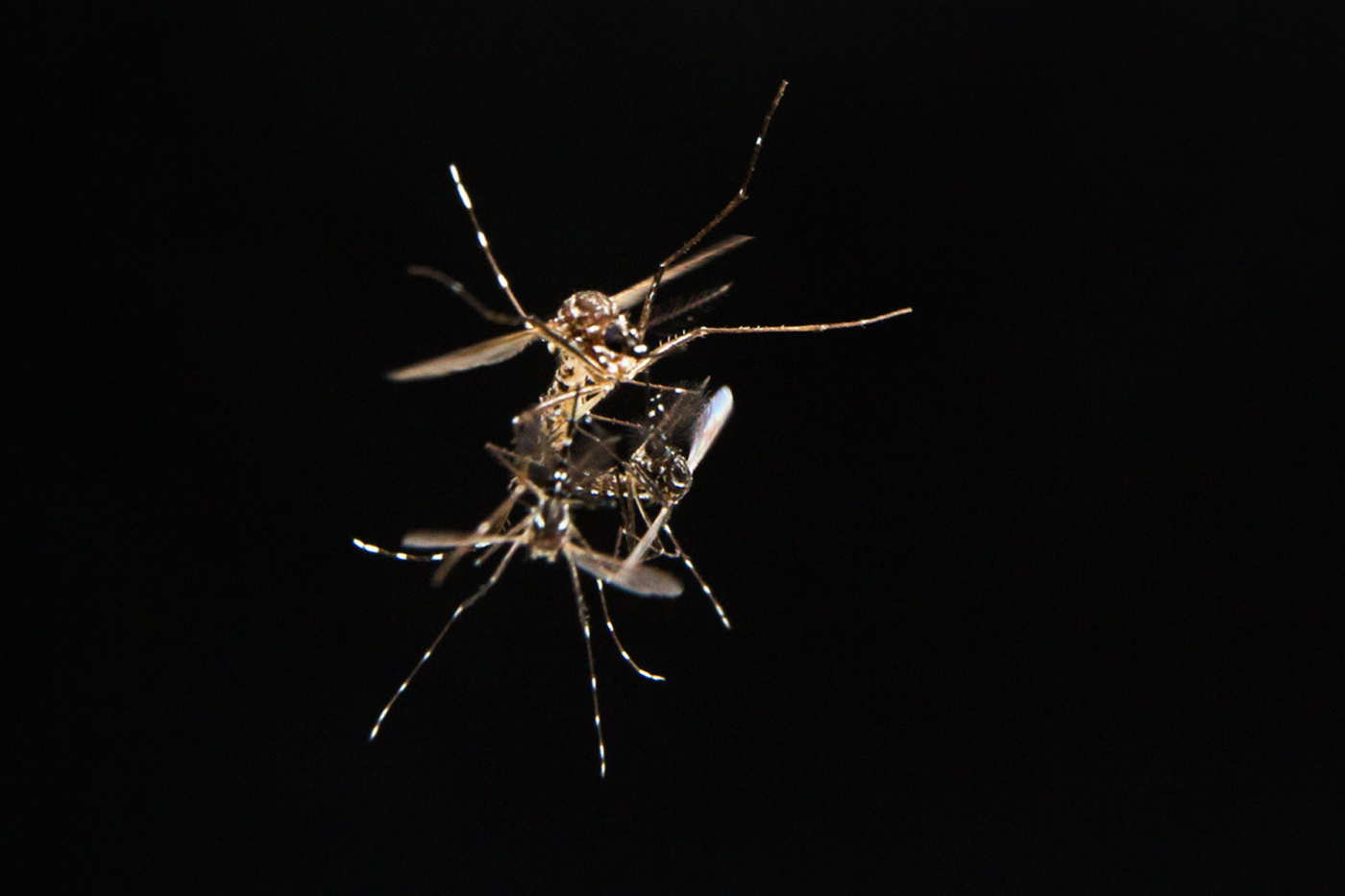
A protein transferred from male to female mosquitoes during sex influences female mating behavior—a phenomenon that could be exploited to limit the spread of mosquito-borne illnesses like Zika and dengue.
Nussenzweig was honored at a ceremony today at the Institut Pasteur in Paris.The award recognizes investigators for past or ongoing work demonstrating real scientific progress in the life sciences.
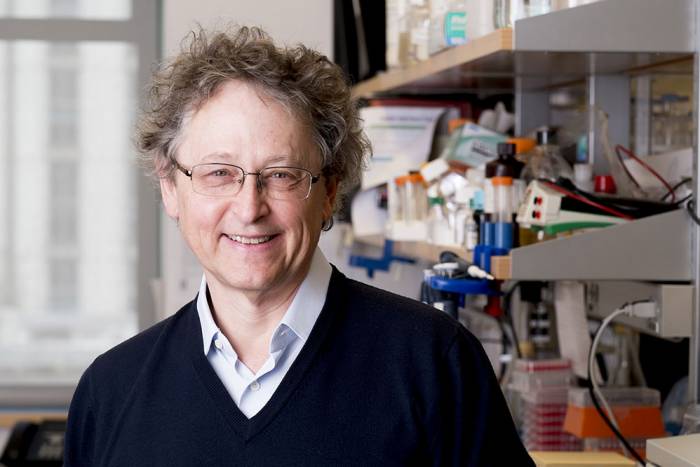
Young was honored for his discoveries of molecular mechanisms controlling the circadian rhythm. He accepted the Nobel medal and diploma from King Carl XVI Gustaf of Sweden.
Researchers have found that the cells directing the very first steps of brain formation are not other neurons, as scientists have long assumed. They've also uncovered previously hidden molecular pathways that attract neurons into the brain.
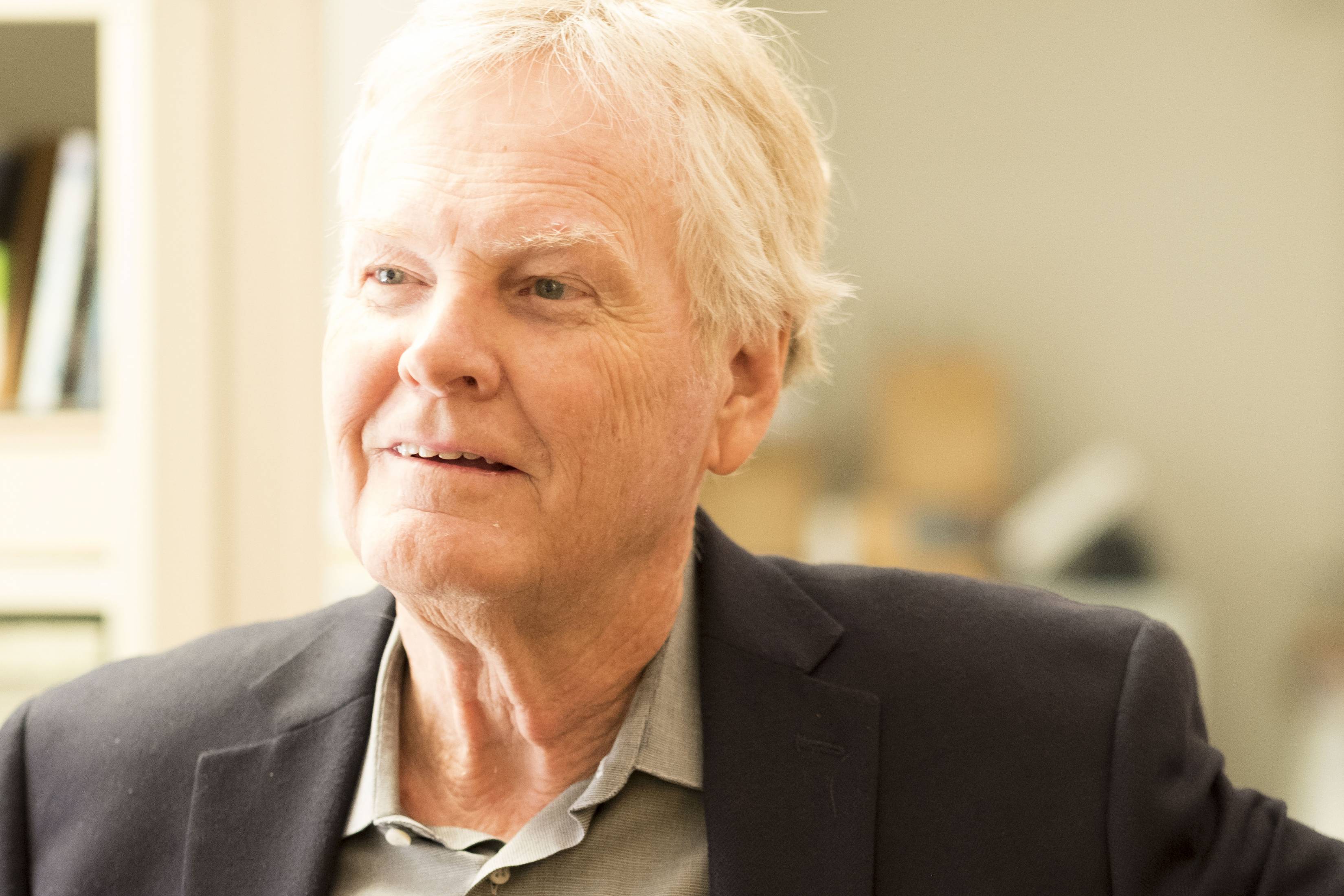
Hatten is awarded for her significant contributions to neuroscience. She studies the mechanisms of neuronal differentiation and migration during the early stages of embryonic development.
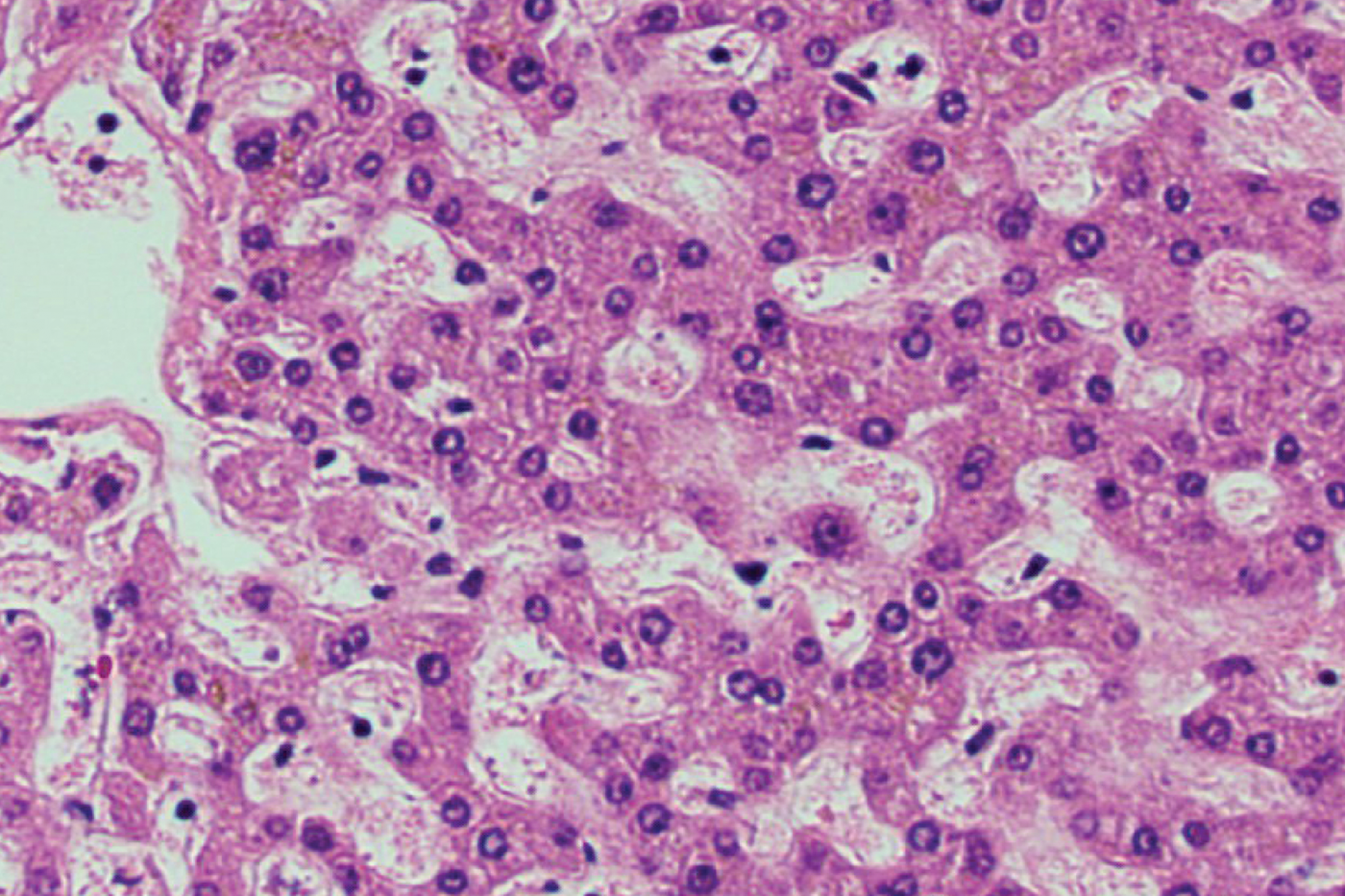
Scientists have engineered a mouse model to study a rare and often-fatal form of liver cancer. They’ve used it to clarify what drives these tumors at the molecular level, and discover new drug concepts.
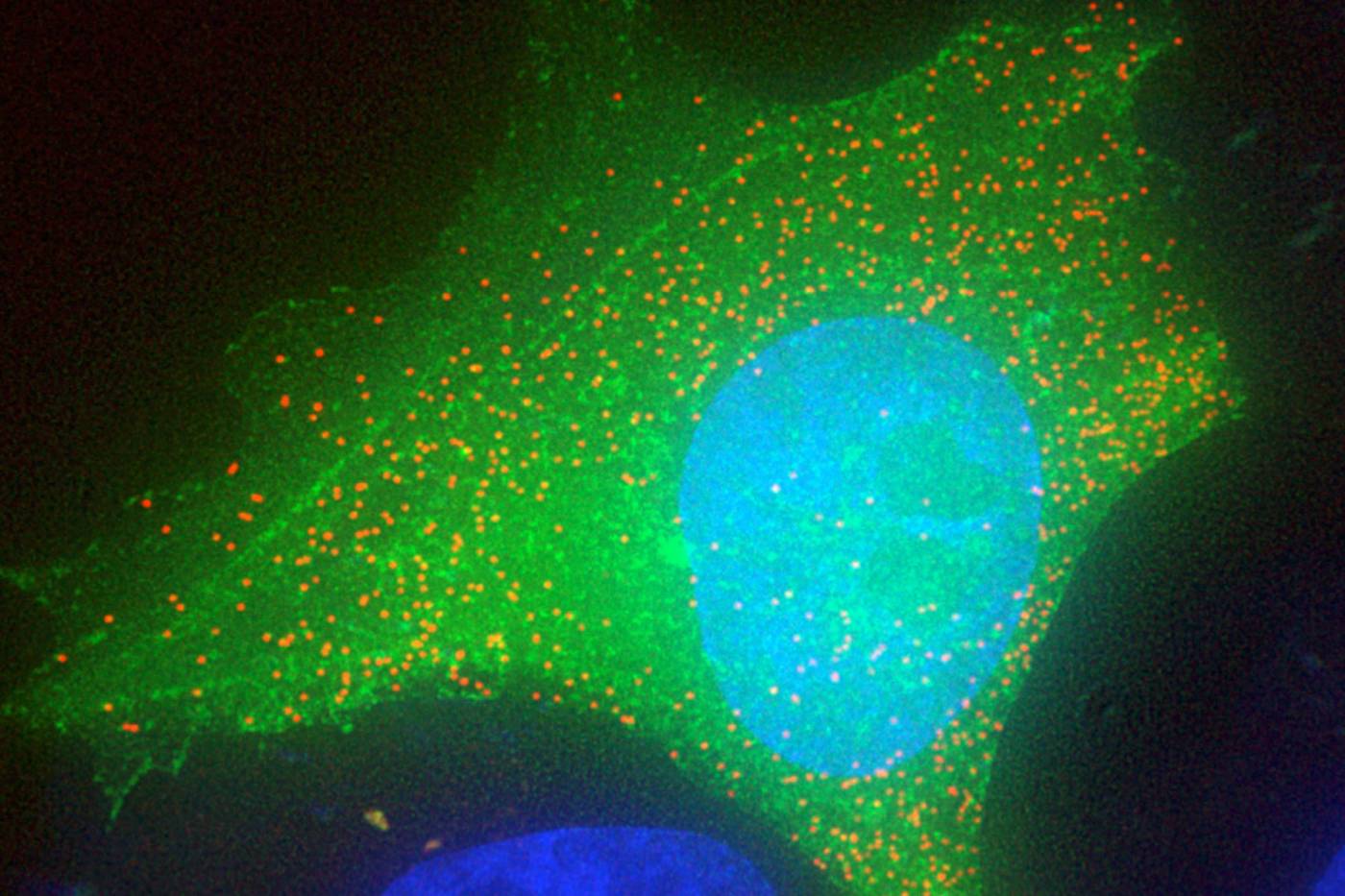
Scientists have discovered a peculiarity in the genetic code of HIV that might explain how this and other viruses evolved ways to dodge our immune system. The findings could make it possible to develop safer vaccines.