Scientists have made the first comprehensive inventory of cells present in the human placenta of the first trimester, a stage when many pregnancy complications are thought to arise. The findings could fuel new research on conditions such as preeclampsia and pre-term birth.

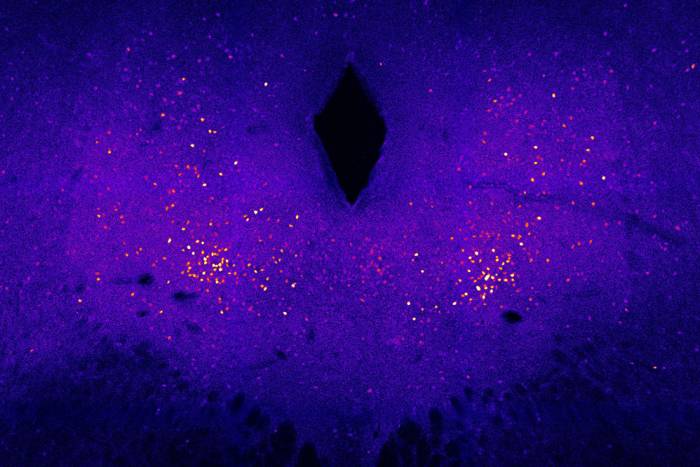
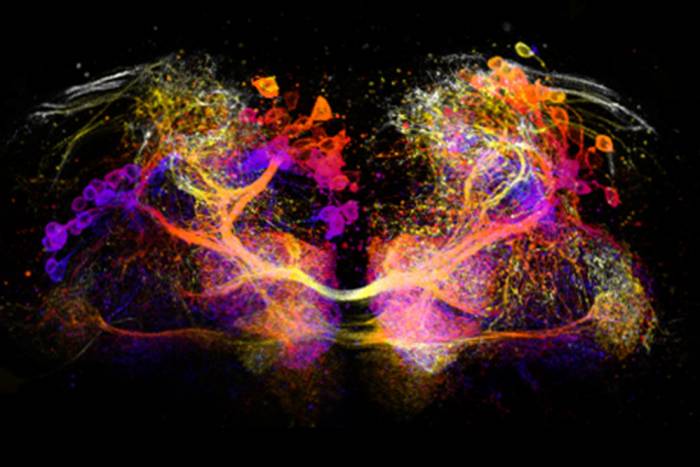
By analyzing gene expression patterns, researchers have identified previously unknown distinctions between mouse and human neurons. They have also developed a new way to track cellular changes associated with brain disorders.

In the 1910s, Rockefeller biochemist Israel Kleiner came close to discovering insulin, but missed his opportunity to find a much-needed treatment for diabetes. In a recent Harper’s Magazine essayneuroscientist Jeffrey M. Friedman explores the factors that set back Kleiner's wo...

Researchers have assembled a new and improved DNA catalogue for the mosquito Aedes aegypti. This tool will help researchers understand the insect’s biology, and may lead to new strategies for preventing diseases like Zika and dengue.

Launched in 2011, the university’s Campaign for Transforming Biomedicine has raised $1.059 billion as of September 30 this year.

Beginning this winter, Rockefeller will close during days that New York City public schools close due to weather emergencies.

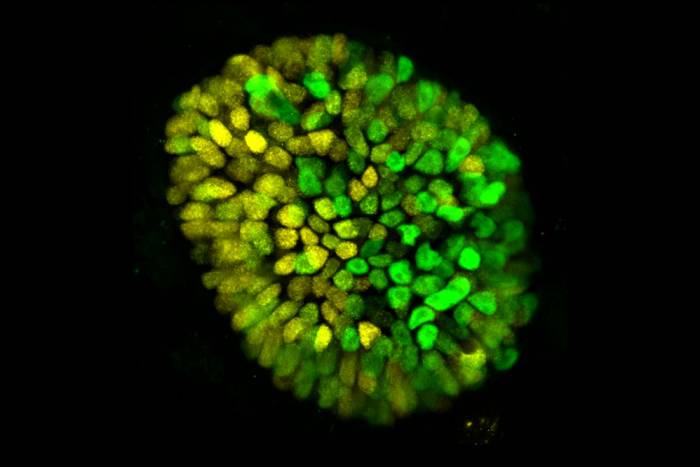
A new study shows that embryonic cells retain a memory of the chemical signals to which they are exposed. Without these memories, cells fail organize into distinct tissue types.

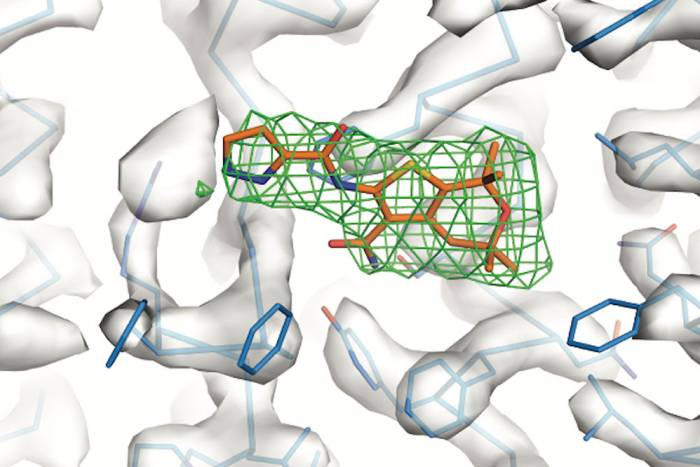
Researchers characterized the structure of Mdn1, an enzyme key to making ribosomes.

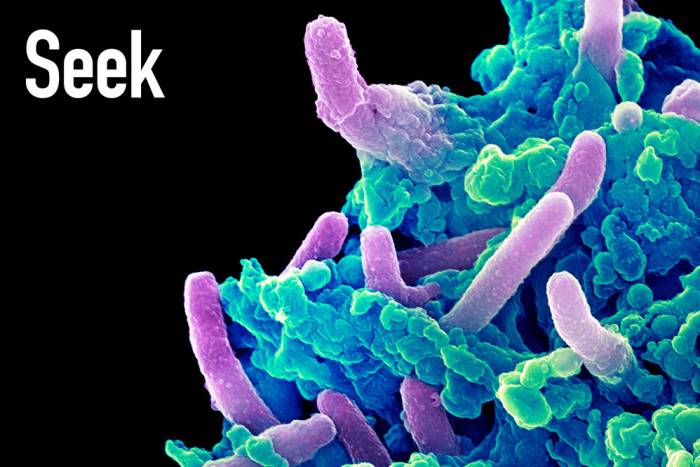
Analyzing soil samples from across the country, researchers have identified an antibiotic capable of treating strains of tuberculosis that do not respond to existing therapies.

Rockefeller hosts historical and architectural tours as part of Open House New York, a citywide festival that puts on display buildings and spaces not usually open to the public.