After four years of construction, the Stavros Niarchos Foundation–David Rockefeller River Campus has opened its doors to the community, with several labs already installed in its new research building.
An extensive international ranking of research institutions by U-Multirank gave Rockefeller top scores in several categories related to scientific impact and knowledge transfer.
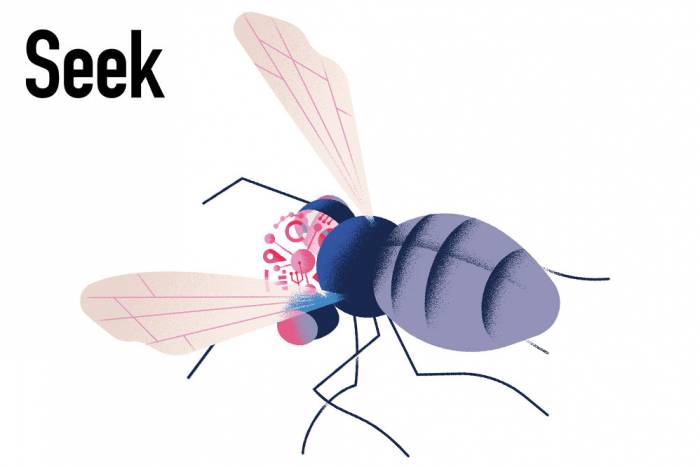
Scientists made the surprising discovery that the insects’ displeasure for touching DEET, the active ingredient in many repellents, helps prevent bites.
Life is full of binary choices, even for small animals like fruit flies. With new technologies, scientists can now dissect the mechanisms of decision making in the simplest of brains, at the levels of individual molecules, cells, and networks.
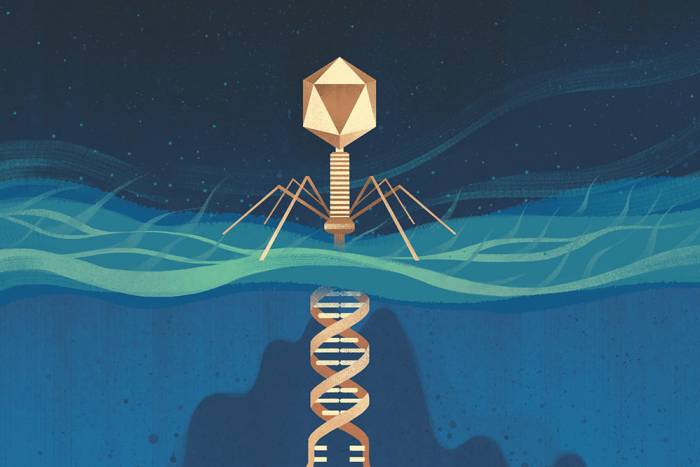
To fight off invading viruses, bacteria have evolved a slew of creative defense tactics. New research shows that in some cases, microbes go to great lengths to keep an infection from spreading, even destroying bits of their own genetic material.
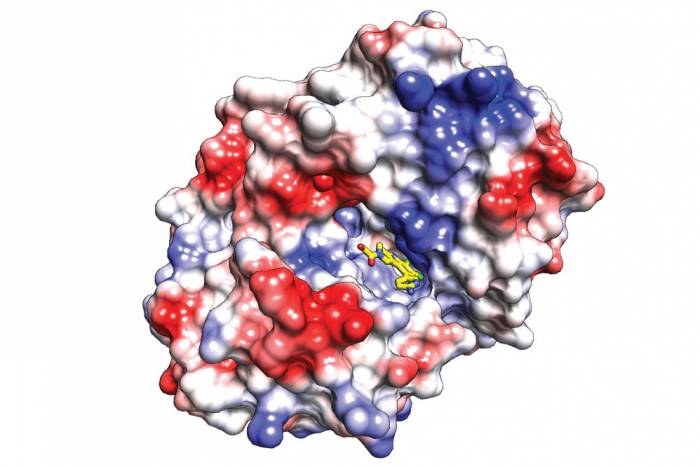
In autoimmune disorders, the body’s defense system erroneously attacks normal cells, leading to serious health problems. Researchers have developed new molecules that potentially could be used to treat many of these conditions.
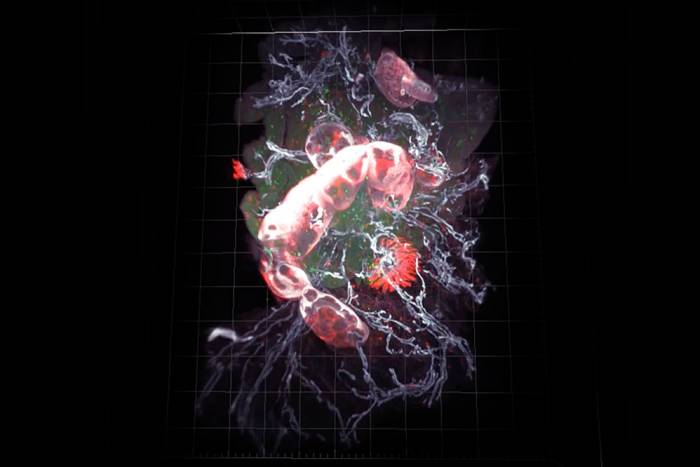
New findings provide insights about how the intestine maximizes nutrient uptake, while at the same time protecting the body from potentially dangerous microbes.
Rockefeller's reaccreditation from the Association for the Accreditation of Human Research Protection Programs marks the end of an extensive application process. The AAHRPP sets the gold standard in safeguarding volunteers participating in clinical research.