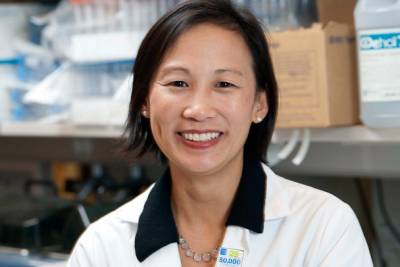
The joint program between Weill Cornell Medicine, The Rockefeller University, and Memorial Sloan Kettering Cancer Center will be lead by Hsu, an accomplished physician-scientist who specializes in immunology research and treatment of blood cancers.
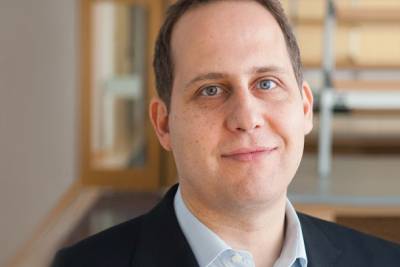
Cohen, a physician-scientist exploring obesity and metabolic disease, has conducted groundbreaking research on the complex inner workings of fat tissue.
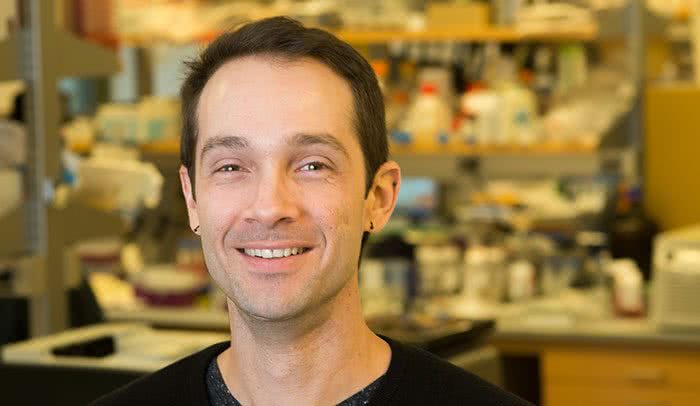
A pioneer in the field of mucosal immunology, Mucida is unlocking the secrets of the digestive system and answering fundamental questions about the origins of human disease.
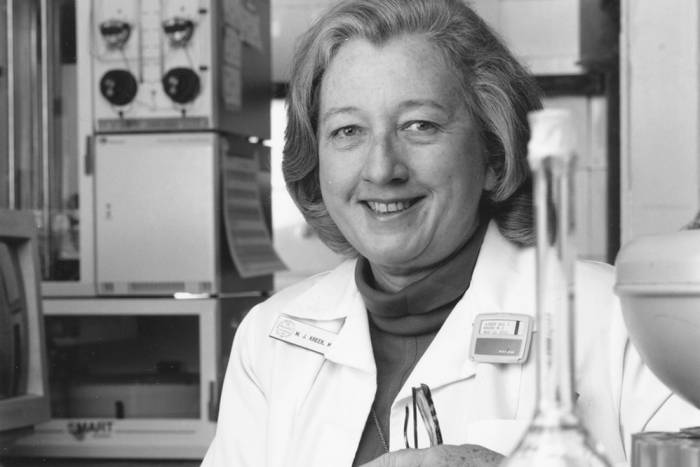
Kreek conducted landmark studies that led to the establishment of methadone as a treatment for heroin addiction. Her work not only yielded new treatments for addiction disorders, but also influenced societal attitudes toward them. She was 84.
The university has named its next vice president and chief investment officer. Volent, who for decades oversaw investments at Bowdoin College, will assume stewardship of Rockefeller's endowment in August.
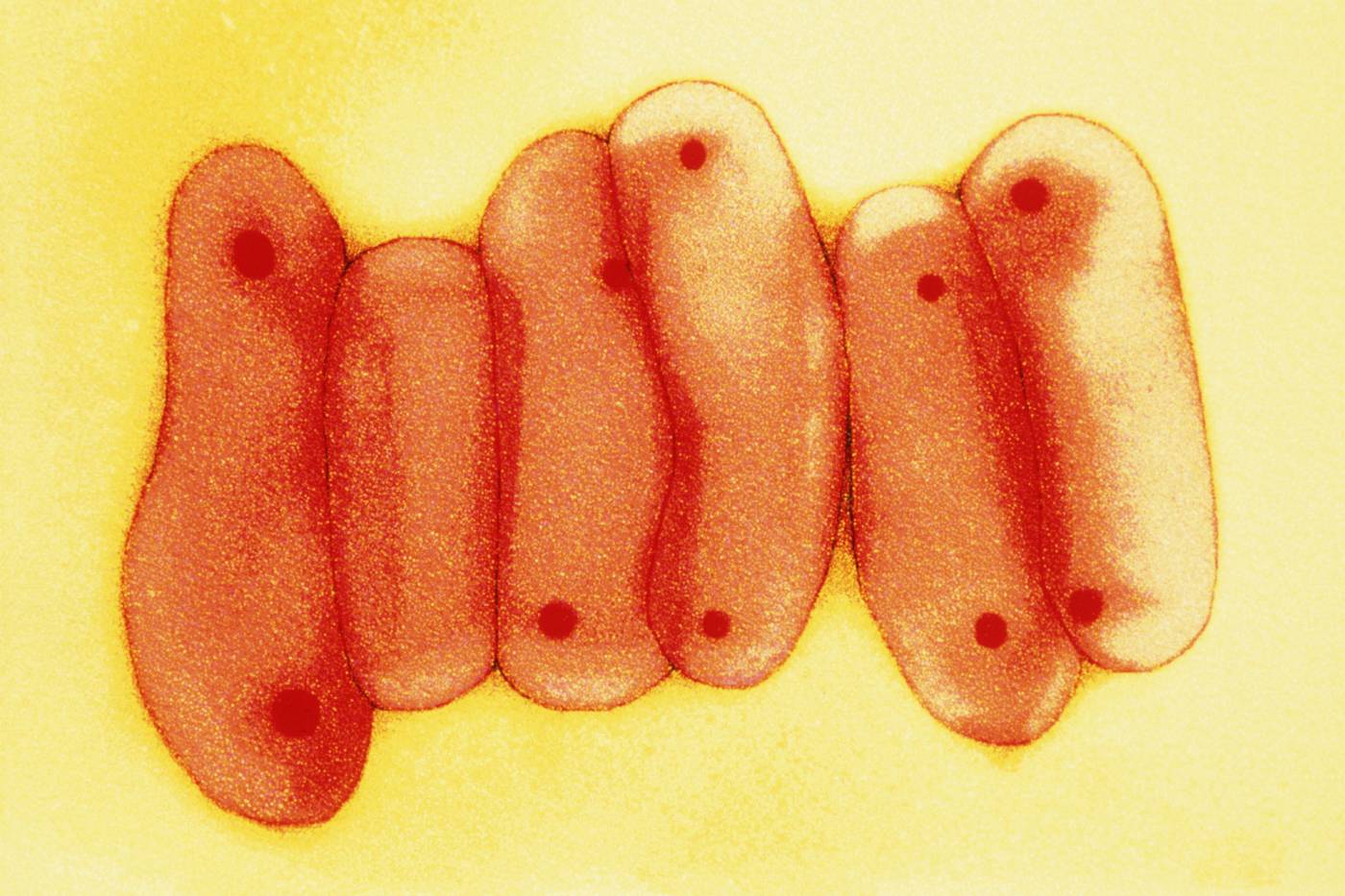
The discovery may explain why some patients suffer more severe reactions than others—putting us one step closer to understanding how our DNA influences our susceptibility to a wide range of infectious diseases.
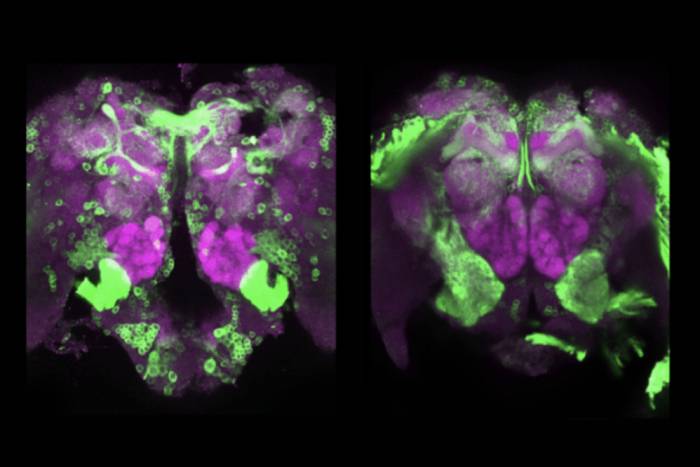
Unlike their female counterparts, male mosquitoes have no desire to bite us. But the hardware for host-seeking is hidden in the male mosquito brain, locked behind a simple genetic switch.
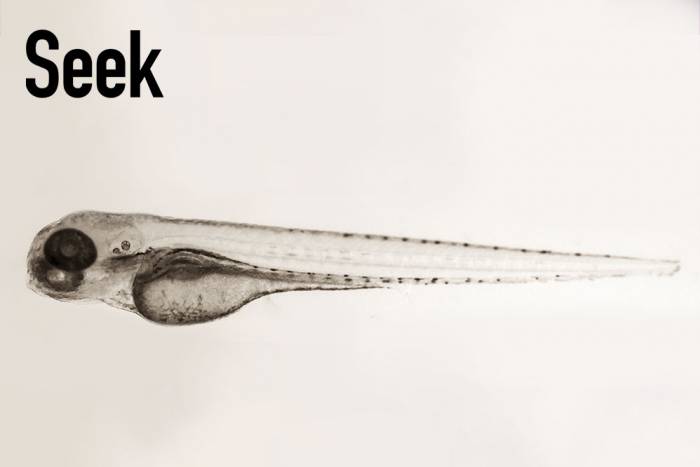
An elaborate set of zebrafish experiments is shining light on one of neuroscience’s greatest enigmas: How brains make decisions. By tracking neural activity, scientists can now predict a fish’s next move before it happens.