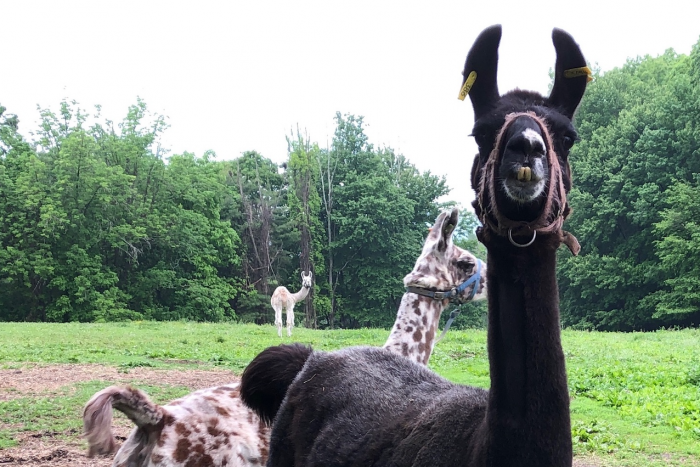
Scientists have identified hundreds of llama-derived antibodies that potentially could be developed into a COVID treatment. They hope such a drug would be potent against different variants of the coronavirus, including Omicron.
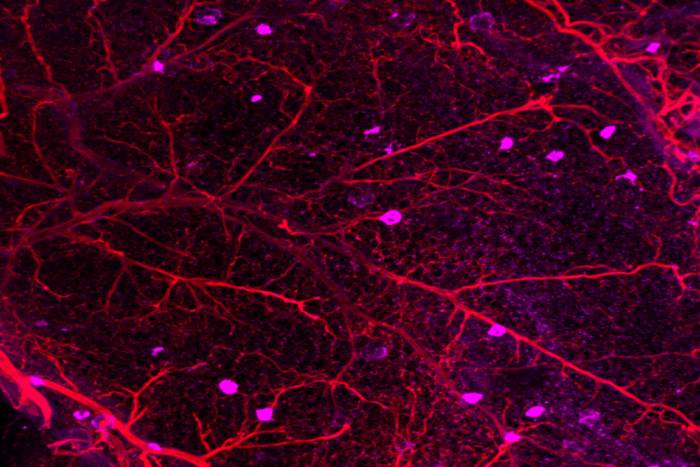
A single cell has no nerves, yet it can feel and respond to mechanical forces such as pressure. Armed with new technologies, scientists are making headway in understanding how this sensory system operates.
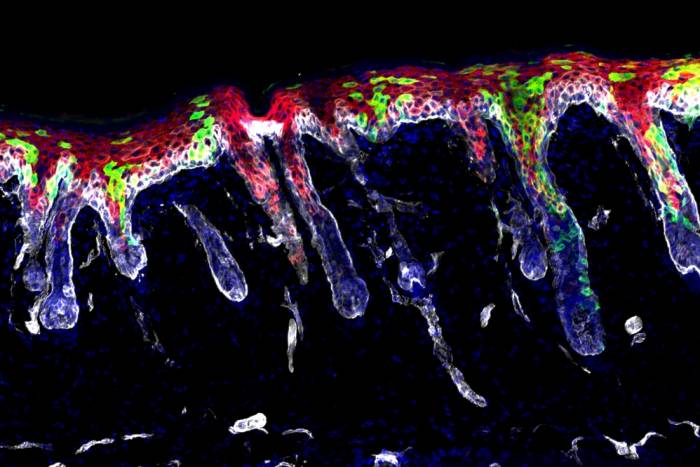
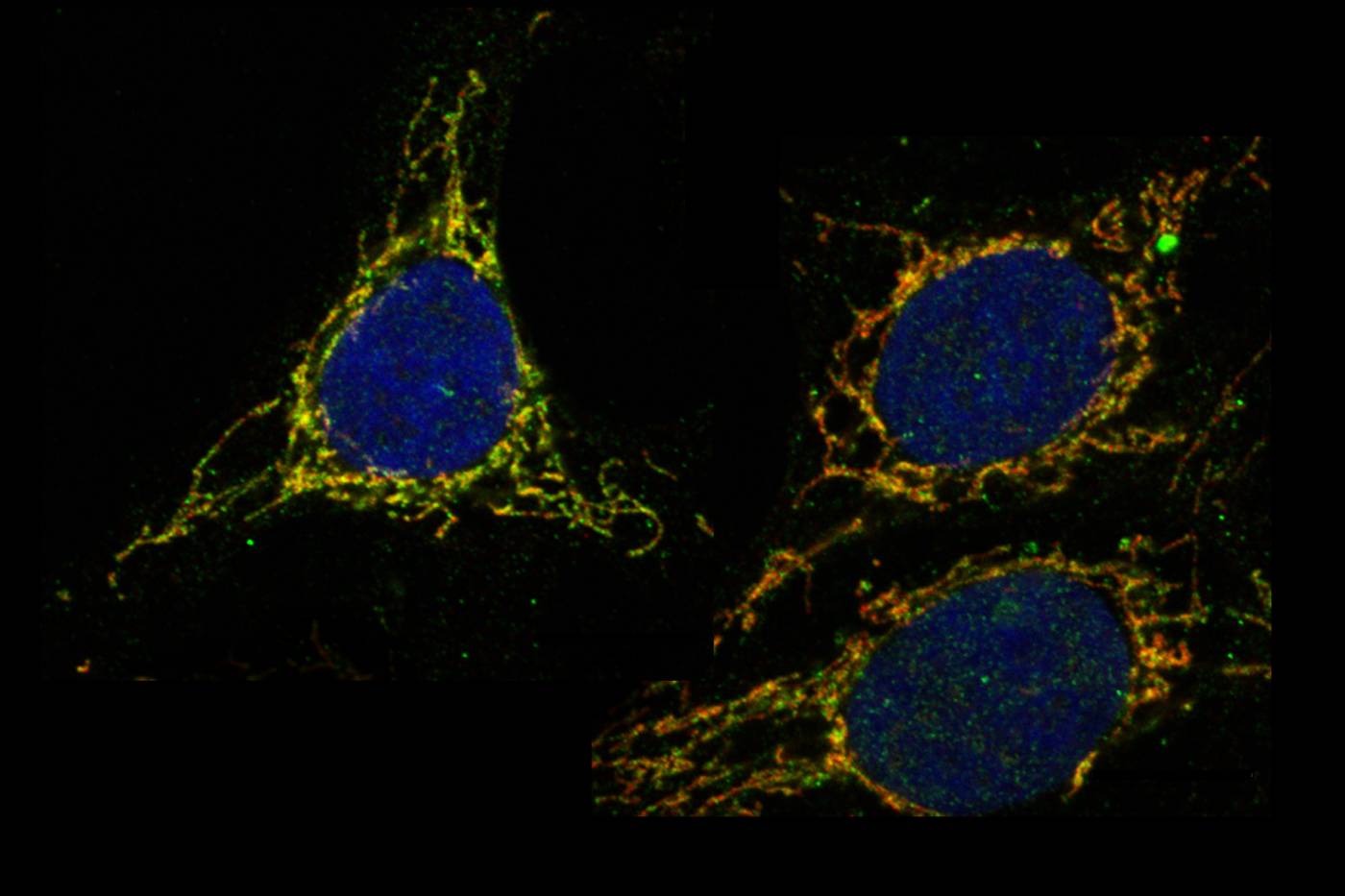
Epidermal stem cells that hail from the hair follicle retain memories of their journey to the skin's surface. Those memories are a boon for wound repair, but may also contribute to chronic diseases and cancer.
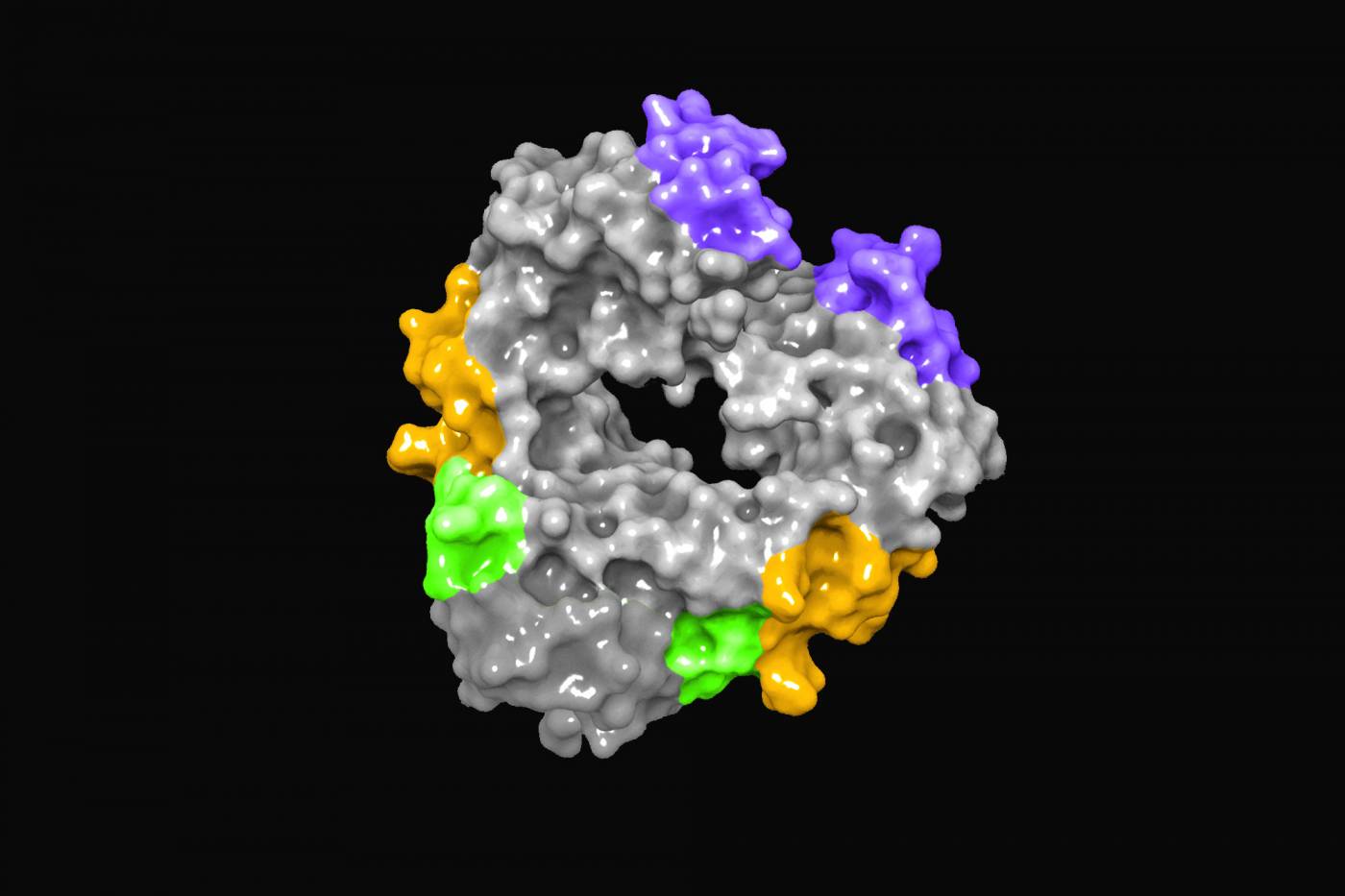
In animal experiments, the structurally altered antibodies activated the immune system more effectively than those currently used in the clinic. They also proved to be more protective against the virus.
A major gift from Michael and Vikki Price marks the launch of an integrated effort to map and analyze the biological underpinnings of sociality and in turn better understand related disorders such as autism, depression, and schizophrenia.
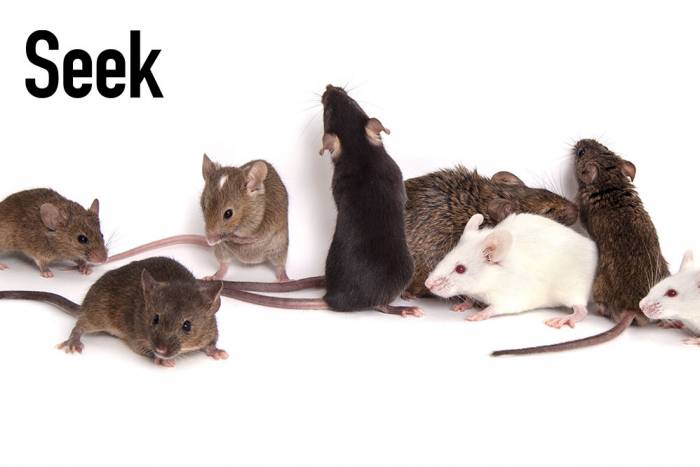
Thanks to the existence of forgetful mice, scientists have gained clues into the process by which the brain forms short-term memories. They were even able to restore a mouse’s memory by genetic manipulation.
Prior infections appear to shield enteric neurons, preventing these key components of the body's "second brain" from dying off when future pathogens strike.