Statistical modeling may one day help scientists anticipate and manage a wide range of extreme occurrences, according to a new study.

Drug-resistant strains of tuberculosis bacteria affect half a million people a year. A compound first discovered in the 1980s may be able to help.

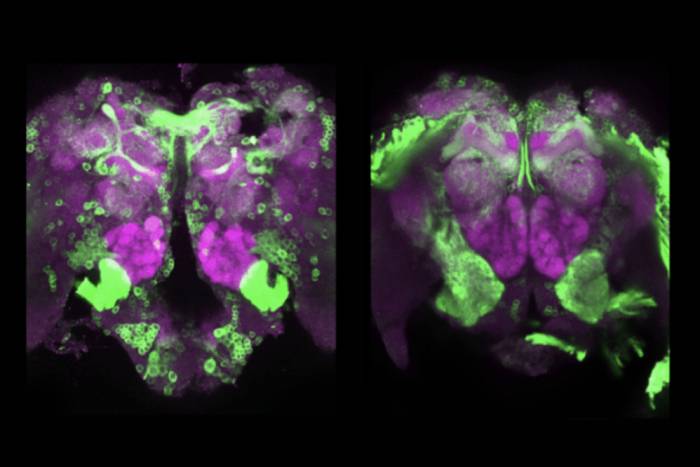
Unlike their female counterparts, male mosquitoes have no desire to bite us. But the hardware for host-seeking is hidden in the male mosquito brain, locked behind a simple genetic switch. 

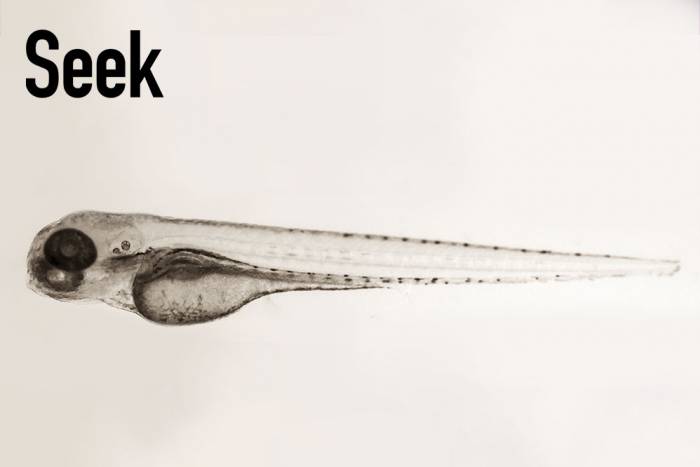
An elaborate set of zebrafish experiments is shining light on one of neuroscience’s greatest enigmas: How brains make decisions. By tracking neural activity, scientists can now predict a fish’s next move before it happens.

The treatment, a combination of two antibodies, has been shown highly capable of neutralizing SARS-CoV-2 in preclinical studies. Researchers hope it will give countries around the world, including developing countries, a way to control the rampant disease.

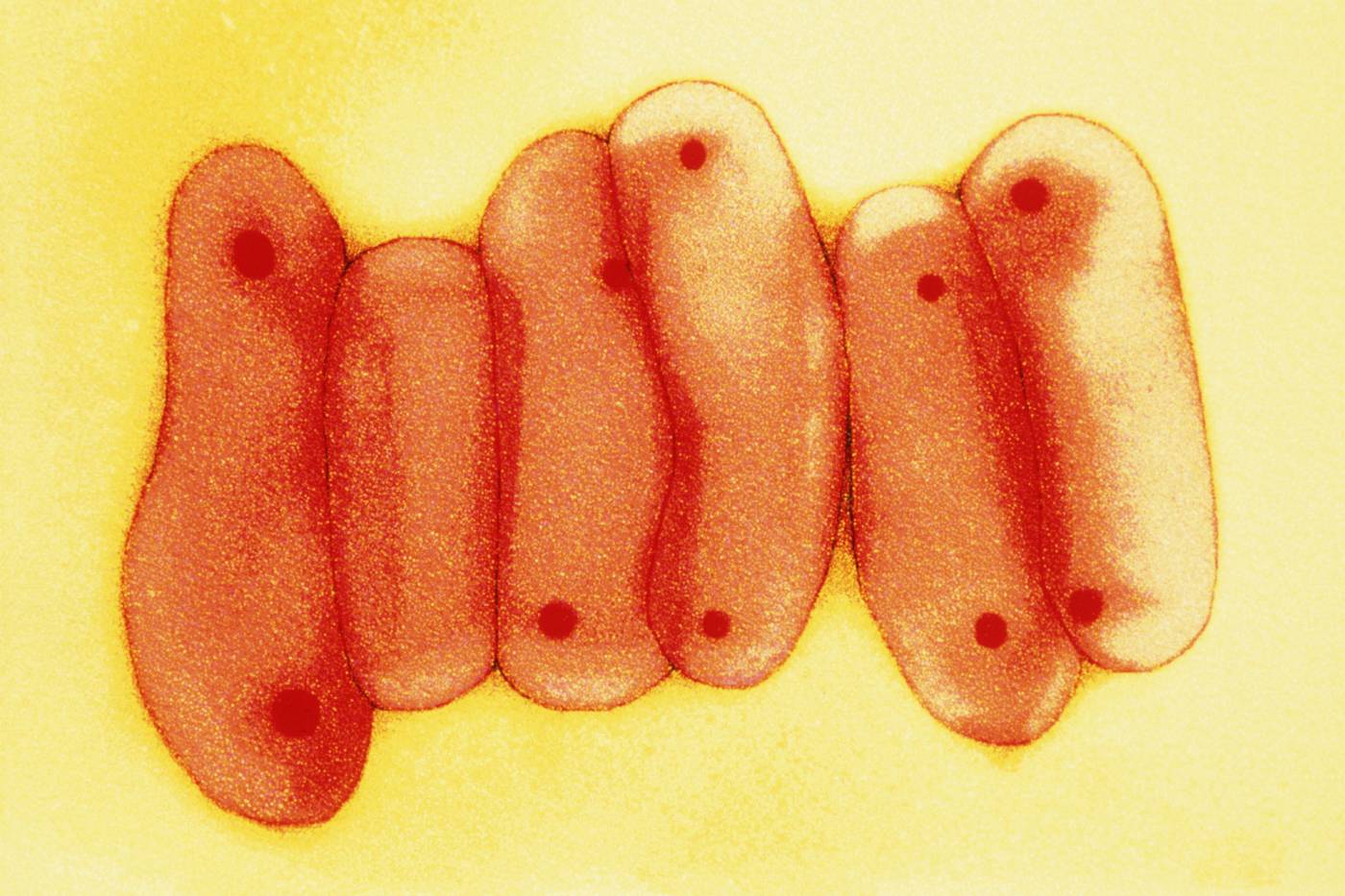
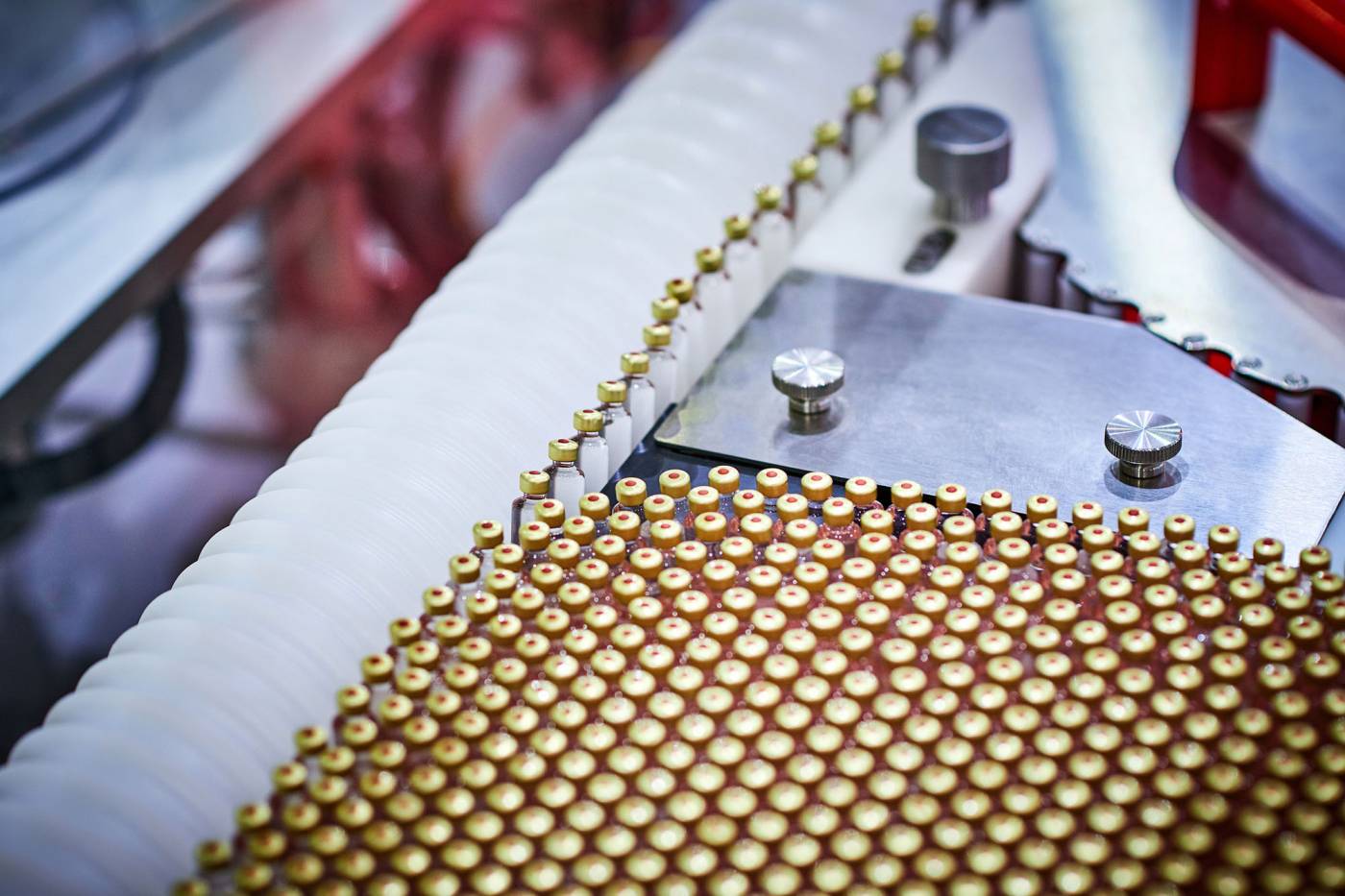
Lab experiments suggest that the new strains reported in Britain, South Africa, and Brazil may blunt the potency of the Pfizer and Moderna COVID-19 vaccines. This could mean that the vaccines will need updates as the virus mutates.

Victor Wilson, a neurophysiologist who traced the intricate neural mechanisms that govern our balance and posture, died on January 20 at the age of 92.

Scientists have developed stem-cell technology to mass-produce tissue cultures resembling our breathing organs. These tissues offer a powerful model in which to study how SARS-CoV-2 wreaks havoc in the lungs and to screen for new drugs.

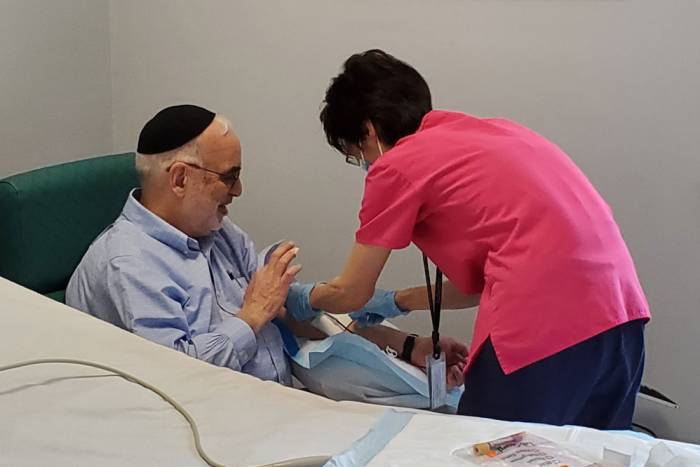
The study participants continued to improve their antibodies months after initial infection, potentially due to exposure to remnants of the virus hidden in the gut.

COVID-19 causes a host of diverse complications, from lung inflammation to blood clots, heart failure, and brain fog. A team of scientists believes these attributes may have a single culprit—and that findings from research on Alzheimer’s disease might give them a leg up in finding it.