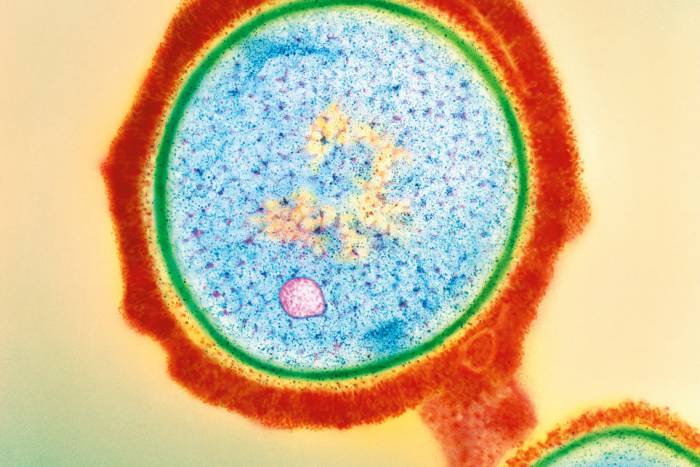
A mutated gene may explain why some Staphylococcus aureus infections turn lethal, a finding with significant implications for people living with 5p- syndrome.
Unlike conventional antiretroviral drugs, treatment with broadly neutralizing antibodies does not rely on vigilant daily dosing and could potentially reduce the body’s reservoir of latent viruses.
Birsoy's groundbreaking research has highlighted key nutrients that cancer cells need to survive, while shedding light on debilitating mitochondrial diseases and rare genetic disorders.
A new study reveals how the drug fidaxomicin selectively targets a dangerous pathogen without causing harm to beneficial bacteria. The findings could inform the development of new narrow-spectrum antibiotics for treating other types of infection.
With a breadth and depth of experience across academia, the pharmaceutical industry, technology, healthcare, and the financial sector, this latest cohort of trustees brings new skill sets and perspectives to the community.
In studying how bacteria respond to viral infection, scientists are learning that their defense strategies cooperate in ways reminiscent of the elaborate immune systems of animals.