After gracing the university’s north-south pathway for decades, a London plane tree was cut down due to interior decay and the resulting safety risk. Removal of the deciduous giant required a team of highly-experienced arborists.

How did songbirds start singing? Neuroscientists are reshaping our understanding of speech—pinpointing the cells and molecules that built it and what happens in the brain when we learn a new word, chirp, or squeal.

With a new portrait by artist Brenda Zlamany, installed over the fireplace in the Abby Aldrich Rockefeller Reception Hall, the likenesses of scientists Marie Daly, Rebecca Lancefield, Louise Pearce, Gertrude Perlmann, and Florence Sabin have joined the university’s art collection.

Private investments are making it possible to reimagine 21st-century bioscience. Cori Bargmann envisions a future with opportunity for researchers everywhere.

According to this year’s CWTS Leiden Ranking of over 1300 universities from 69 countries, Rockefeller has the highest percentage of most frequently cited scientific publications.

The booster appears to galvanize memory B cells into producing potent and versatile antibodies that neutralize both the original virus and its many variants.

In the U-Multirank rating system for higher education institutions, Rockefeller placed first in a measure of impact based on citations.

With this week’s ceremony, the first in-person convocation since the start of the pandemic, Rockefeller has granted doctor of philosophy degrees in bioscience to 1,395 students. In addition, Anthony S. Fauci, Katalin Karikó, and Lulu C. Wang received honorary doctor of science degrees.

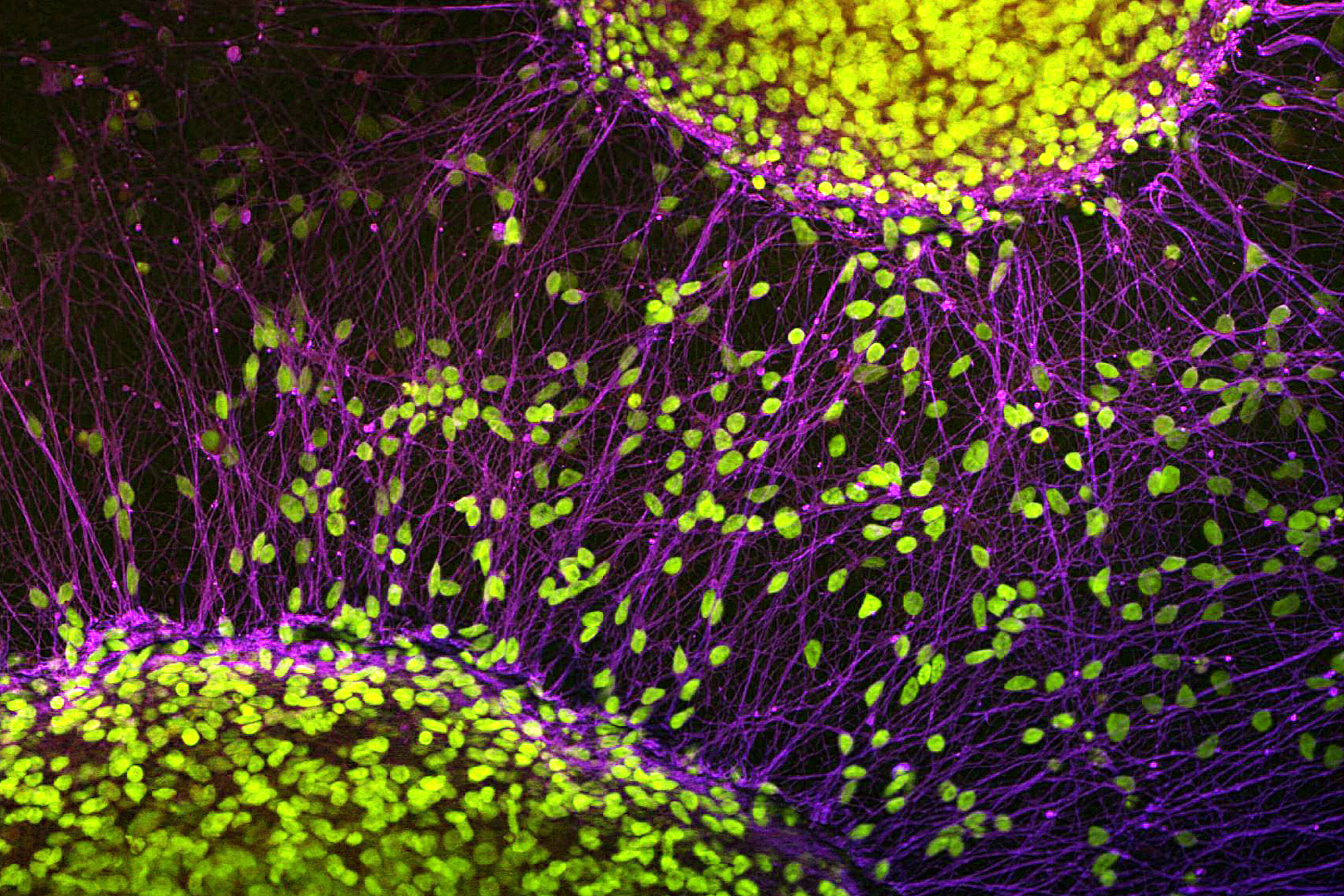
In developing bird skin, immature cells move around and form intricate patterns. Scientists are zeroing in on the mechanical forces guiding the process.

The human reference genome, the most widely used resource in human genetics, is getting a major update.