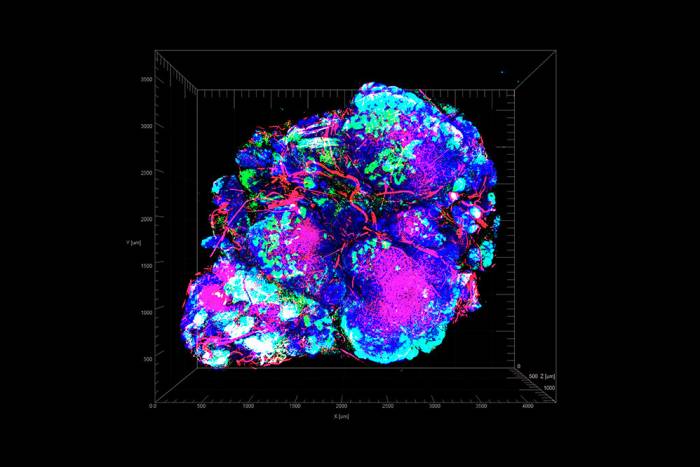
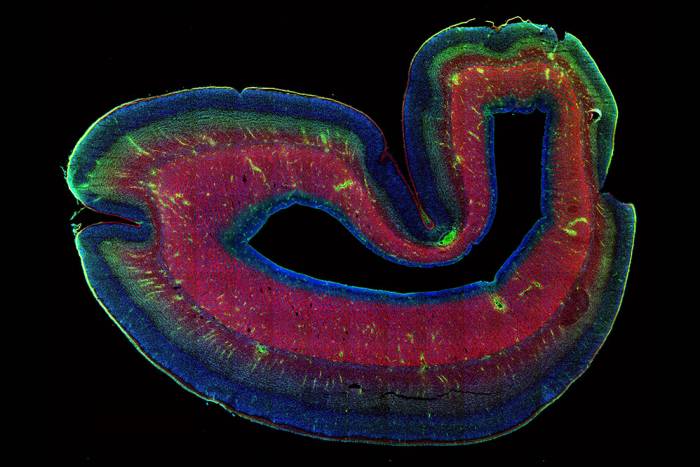
A new study helps explain why certain cancers don't respond to treatment, and offers hope for overcoming this deadly resistance.

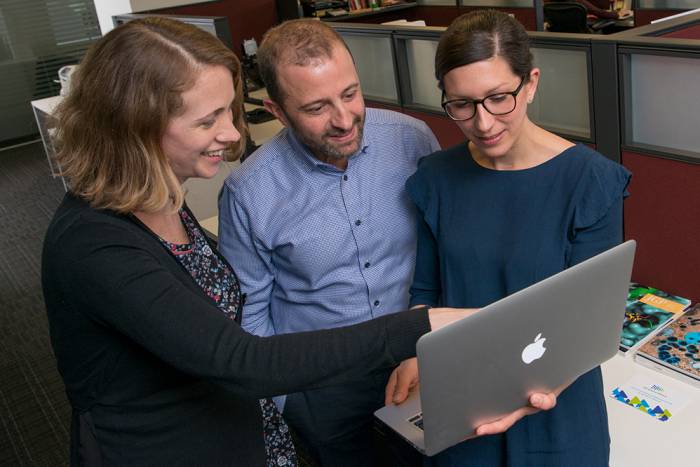
Earlier this month, developmental biologist Amy Shyer joined the Rockefeller community as an assistant professor. Shyer combines mechanical and molecular perspectives to better understand how patterns form and how tissues develop.

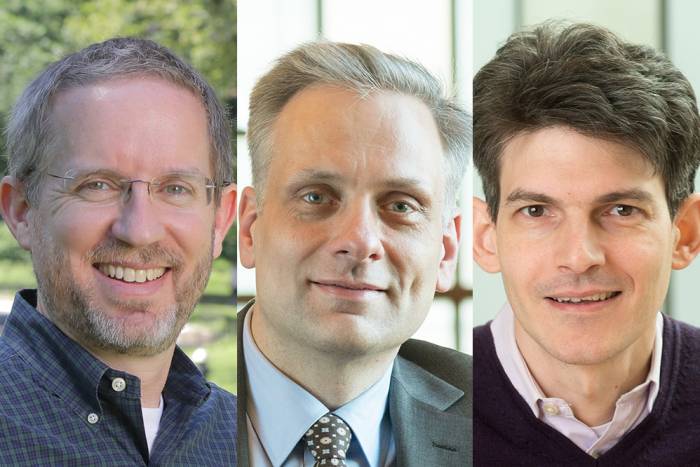
Sean Brady, Winrich Freiwald, and Luciano Marraffini have been promoted to professor. Respectively, these scientists have characterized previously unknown small molecules, provided insight into how the brain processes faces, and revolutionized gene editing.
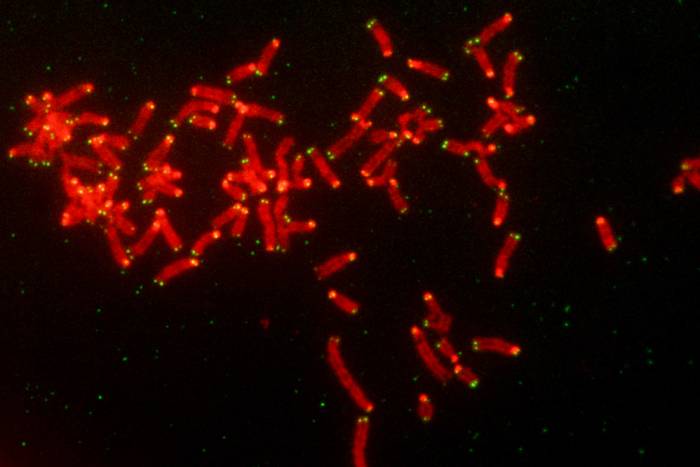
Life Science Alliance is an open-access, peer-reviewed journal with a streamlined manuscript submission and review process.

A new study sheds light on the mysterious ways in which evolution may tweak the brain to shape behavior. It started with a close look at two Drosophila species and their mating maneuvers.

Venkataraman has been recognized for her study of the hormonal triggers that lead female mosquitoes to toggle between hunting for blood and spawning eggs.

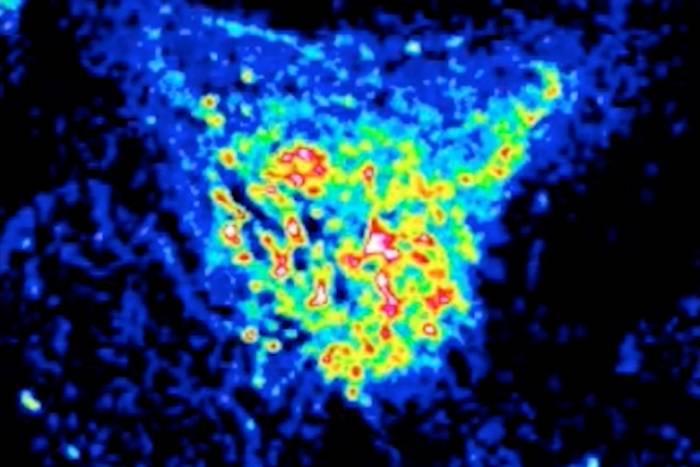
Scientists have found a metabolic particularity in tumor cells lacking oxygen. The discovery might point to new drugs to target the most difficult-to-treat spots within a tumor.

A new study shows that a group of neurons, previously thought to die in the course of development, in fact become incorporated into the brain’s cortex. This research has implications for understanding—and possibly treating—several brain disorders.

The annual event invites children to campus for an unforgettable day of hands-on experiments and interactive learning.

Since its first convocation, Rockefeller has granted doctor of philosophy degrees in bioscience to more than 1,260 students, including today’s graduates.