The first-ever molecular images of an olfactory receptor at work answer decades-old questions about odor recognition.

By increasing the size of ant colonies bit by bit, scientists identified the mechanism responsible for the evolution of mass raiding behavior.

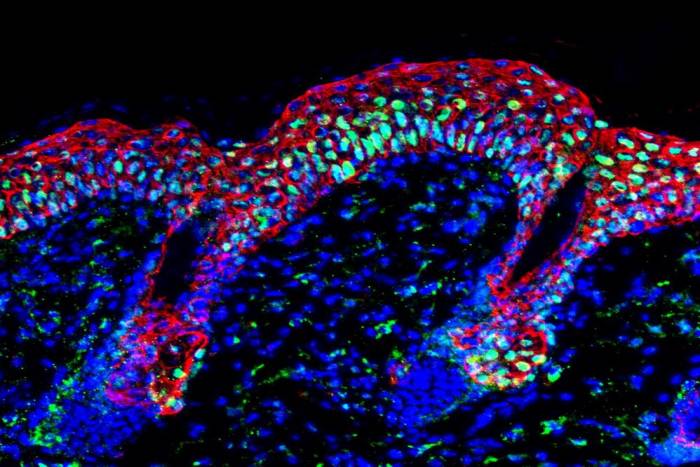
A new study uncovers a near-universal mechanism behind this phenomenon, known as inflammatory memory.

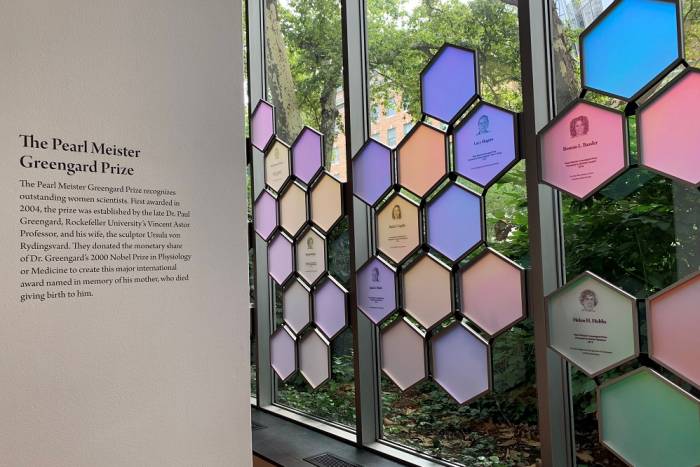
The installation located in the Abby Aldrich Rockefeller Lounge features the 22 Pearl Meister Greengard Prize awardees.

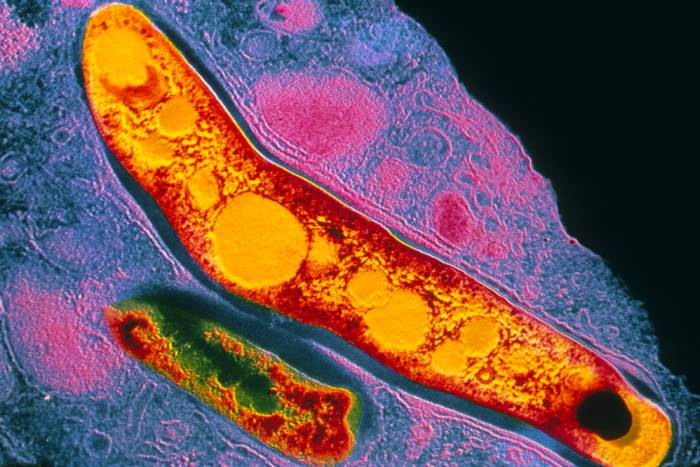
Not every gene that's essential in tuberculosis is also vulnerable to attack. A new study ranks essential genes by vulnerability, allowing researchers to better prioritize future drug targets.

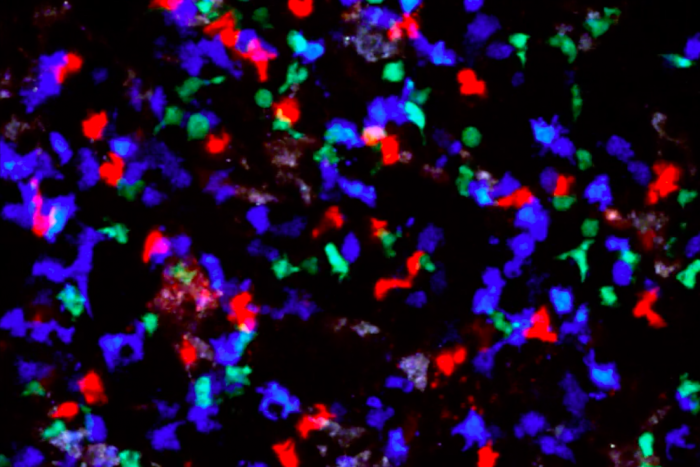
Helper T cells may play a dual role in the immune system, both encouraging and suppressing the process by which B cells mature.

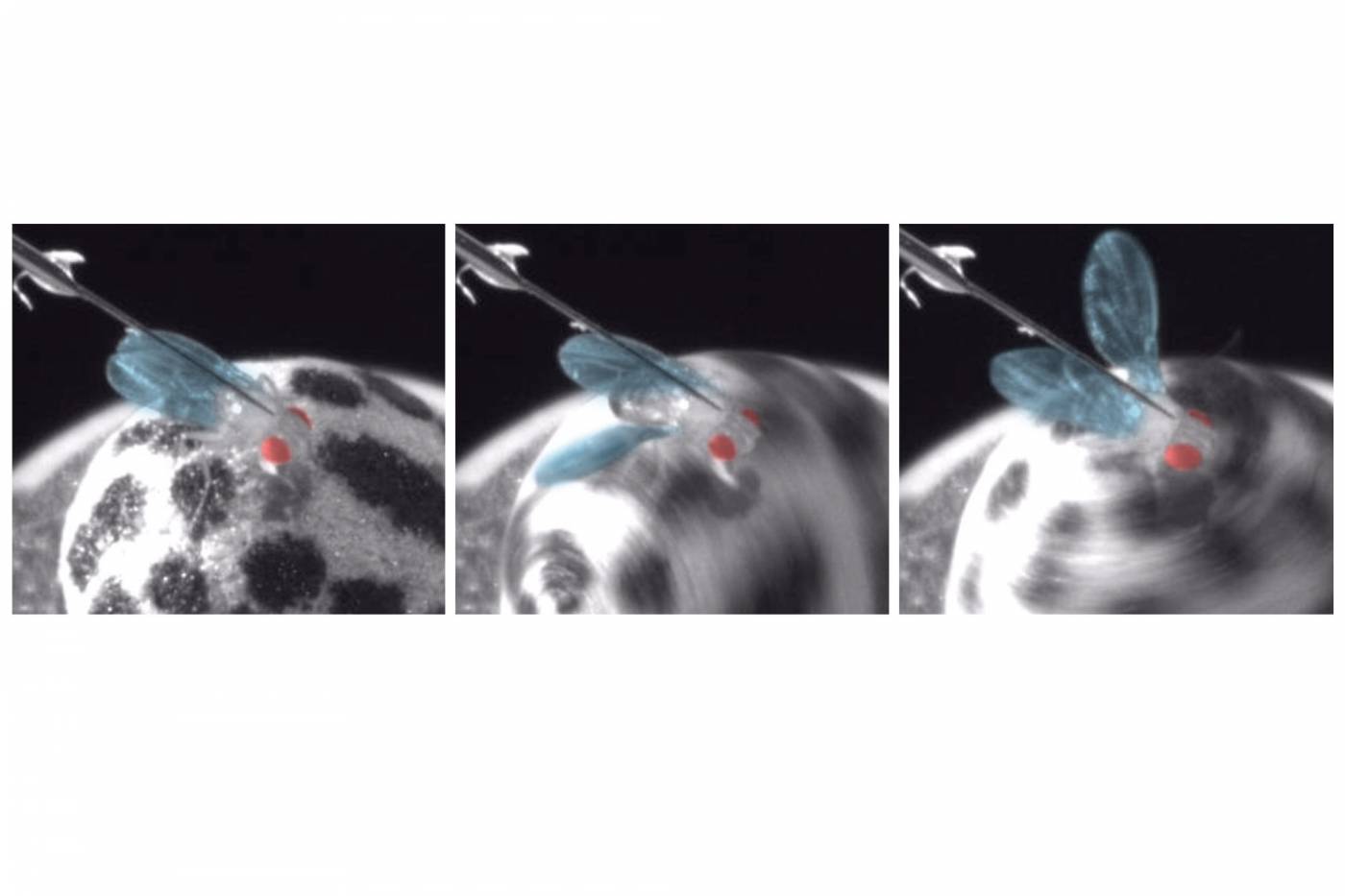
In Drosophila’s neural circuitry for courtship, researchers discover a configuration that enables a male fruit fly to be persistent, yet flexible in his pursuit of a female.

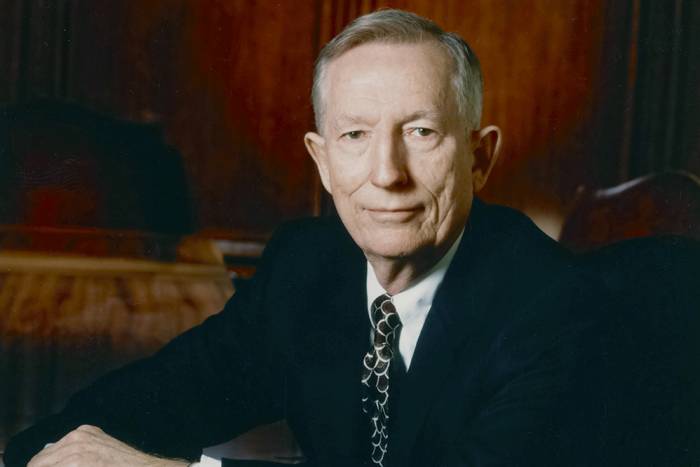
Purnell Choppin, a physician, virologist, and scientific administrator who performed pioneering research on viruses at The Rockefeller University and later exerted a powerful influence on biomedical research as president of the Howard Hughes Medical Institute, has died at the age of 91.
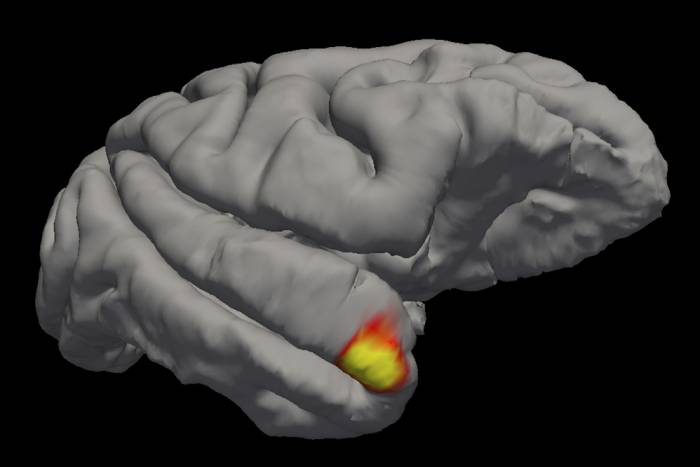
Our brains have sensory cells, which process the faces that we see, and memory cells dedicated to storing data from person encounters. But until now, a hybrid neuron capable of linking vision to memory—and explaining how we recall familiar faces—remained elusive.

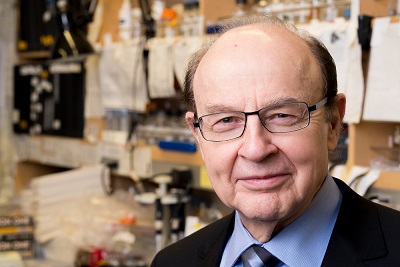
Roeder, a pioneer in the field of gene regulation and expression, is being honored for revealing the molecular mechanisms of transcriptional regulation.