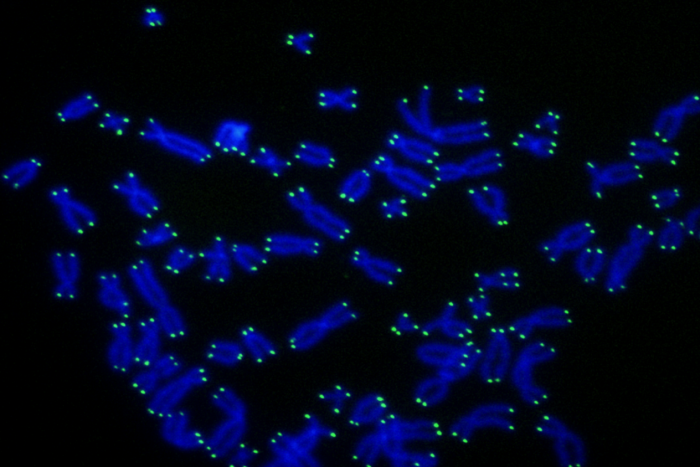
Researchers have found the first evidence that telomere shortening is not just a sign of aging, but a key component of the body's cancer prevention system.
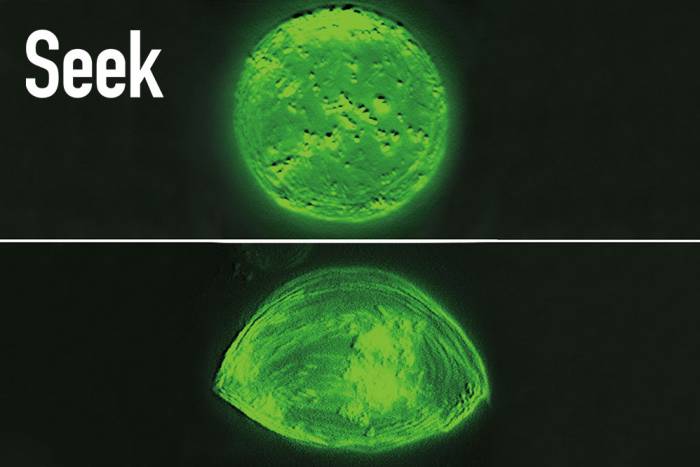
Experiments in zebrafish are shining light onto a poorly understood process in which cells communicate mechanically, by pushing and pulling on each other.
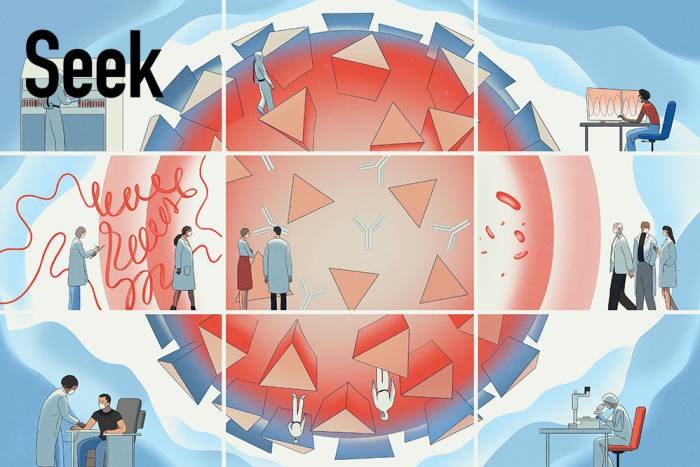
Researchers have launched a tremendous race to understand the new virus and attack it from every angle. How they work and collaborate might never again be the same.
Only in sci-fi movies can a living cell be created from scratch. But a recent discovery suggests that this tantalizing feat might one day become possible in the real world.
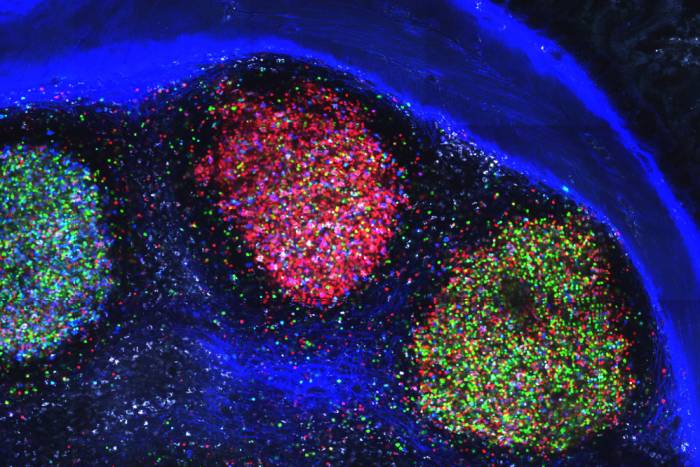
New research suggests that our immune system may play an active role in shaping the digestive-tract flora, which is tightly linked to health and disease.
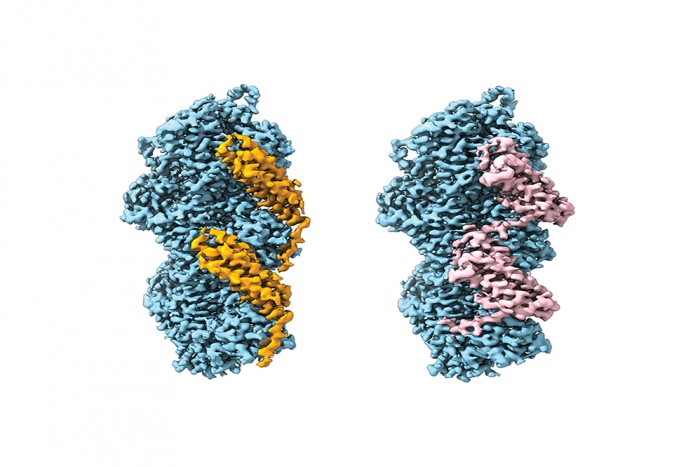
In a painstaking experiment, scientists suspended a single protein filament between two microscopic beads. Their results have shed light on an elusive process in which cells receive and respond to mechanical cues.
The novel compound, discovered in Jan L. Breslow’s lab and now licensed to Bridge Medicines, will be designed to treat immune-mediated diseases without harming the rest of the immune system.