Meet Jeanne Garbarino, the scientist whose job it is to get teens out of their textbooks and into the lab.

A genomics study has identified a previously unknown cell type whose blood levels tend to rise and fall in patients with rheumatoid arthritis. The findings could make it easier to manage the disease and help scientists understand its root causes.

Thousands of years after humans discovered opioids, we’re just beginning to understand how these substances warp the brain and change behaviors.

For the men and women of Plant Operations, there really was no university closure. Even as most of the university’s labs shut down, those that remained still semi-operational required support.

According to this year’s CWTS Leiden Ranking of over 1100 universities from 65 countries, Rockefeller has the highest proportion of frequently cited scientific publications.

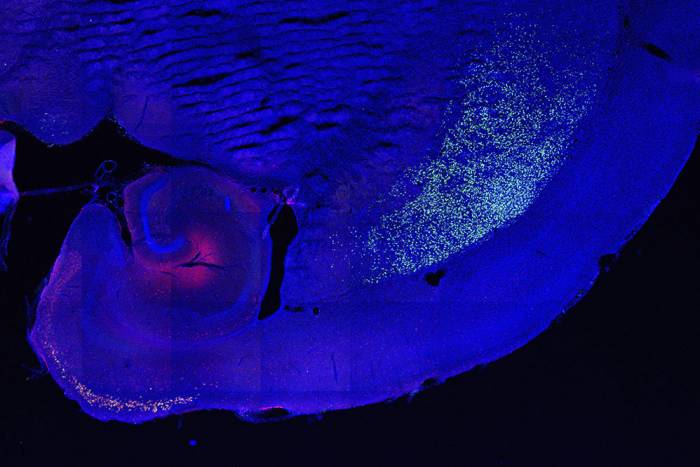
Scientists have used advanced technology to “micro-dissect” the first brain cells to perish in Alzheimer’s disease. The result is a short list of genes that could represent new drug targets.

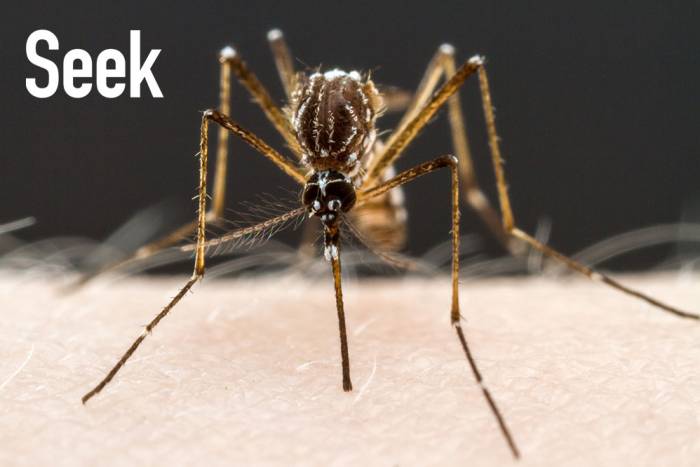
The Aedes aegypti genome might hold clues for developing the most effective repellants yet—including ones that make the mosquito unable to smell us, or less motivated to seek us out.

The CFC’s team has had to pivot quickly to create new online programming to support their young charges and provide age appropriate education and enrichment—and a measure of continuity.

The Office of the President today issued the statement below to all Rockefeller University employees. President Donald J. Trump’s ill-conceived executive order to suspend the issuing of temporary visas for foreign workers, including H1-B and J-1 visas, is detrimental to the advance of science a...

Hindmarsh Sten receives the university’s most prestigious graduate fellowship for his work exploring the fundamental cognitive and neurological pathways underlying courtship behavior in Drosophila.