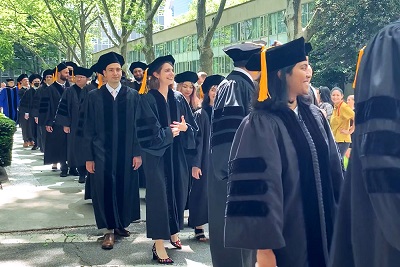
With this week’s ceremony, the first in-person convocation since the start of the pandemic, Rockefeller has granted doctor of philosophy degrees in bioscience to 1,395 students. In addition, Anthony S. Fauci, Katalin Karikó, and Lulu C. Wang received honorary doctor of science degrees.
In developing bird skin, immature cells move around and form intricate patterns. Scientists are zeroing in on the mechanical forces guiding the process.

The human reference genome, the most widely used resource in human genetics, is getting a major update.

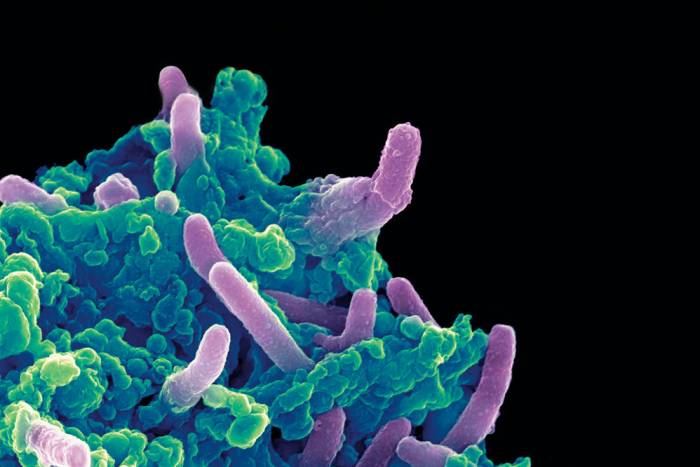
The study highlights genes that, when silenced, render Mycobacterium tuberculosis vulnerable to antibiotics, and identifies existing drugs that may be effective against one prominent strain.

Linker histone H1 appears capable of distinguishing between single-stranded and double-stranded DNA, suggesting that its role in maintaining our genomes extends far beyond that of keeping chromosomes compact.

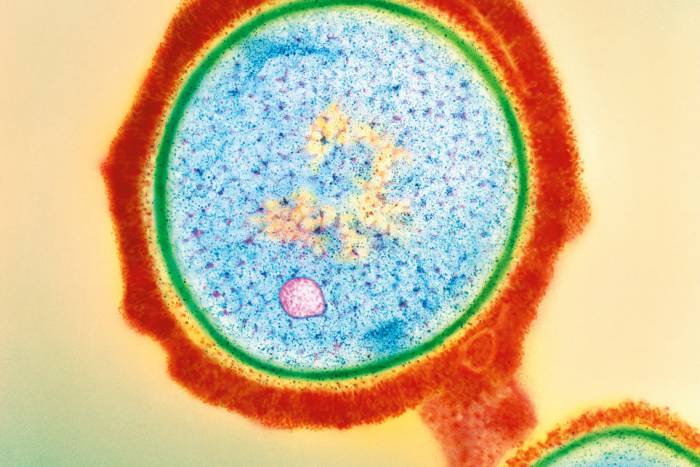
The compound attacks MRSA, C. diff, and several other deadly pathogens. Its discovery demonstrates the power of combining computational biology, genetic sequencing, and synthetic chemistry to study bacterial evolution.

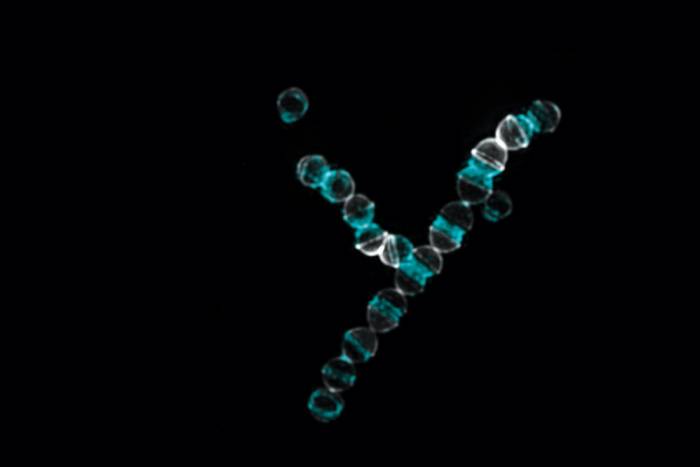
A mutated gene may explain why some Staphylococcus aureus infections turn lethal, a finding with significant implications for people living with 5p- syndrome.

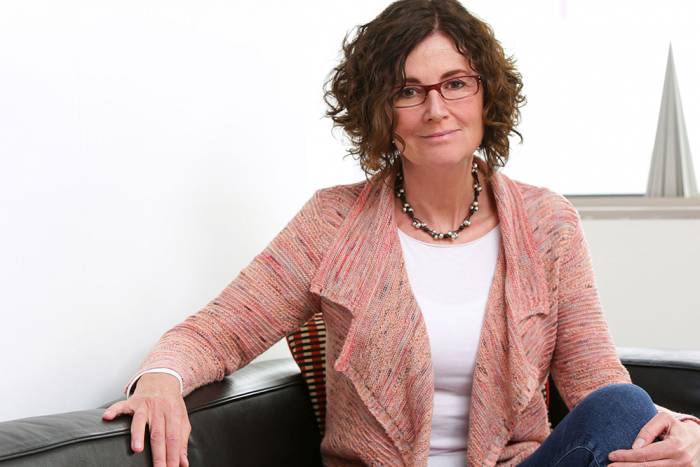
She receives the honor for elucidating mechanisms of telomere protection and genome maintenance.

Unlike conventional antiretroviral drugs, treatment with broadly neutralizing antibodies does not rely on vigilant daily dosing and could potentially reduce the body’s reservoir of latent viruses.

Liu’s pioneering research on nano-scale molecular events is furthering our knowledge of how DNA replication and gene expression are regulated.