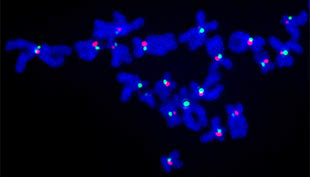
The centromere region of chromosomes retains the same DNA from one generation to the next. Scientists have gained new insights into how it avoids being scrambled in normal cells, and how it becomes unstable in cancer.

Released by the European Commission–funded U-Multirank, the survey placed Rockefeller first in categories related to scientific impact and research productivity. The results incorporate data on more than 1,300 institutions in over 90 countries.

Scientists have discovered a common mutation that might explain why some people have trouble going to sleep at night and getting up early. The gene alteration slows the internal biological clock that regulates our sleeping patterns.

Rockefeller University President Richard P. Lifton today released the following statement on proposed cuts to federal funding for science: Given the remarkable track record of American science, one can only read with alarm the White House budget proposal recommending an 18 percent reduction in NI...

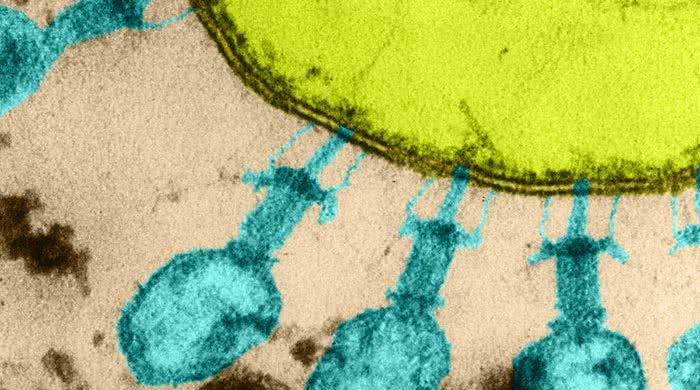
Researchers have found that the bacterial immune system targets an invading virus as soon as it enters the cell. This discovery answers a long-standing question about how microbes defend themselves.

In order to better understand how genetic mutations give rise to cystic fibrosis, researchers need to map the protein responsible for the disorder. The new structure has led to new insights on how this molecular channel functions.

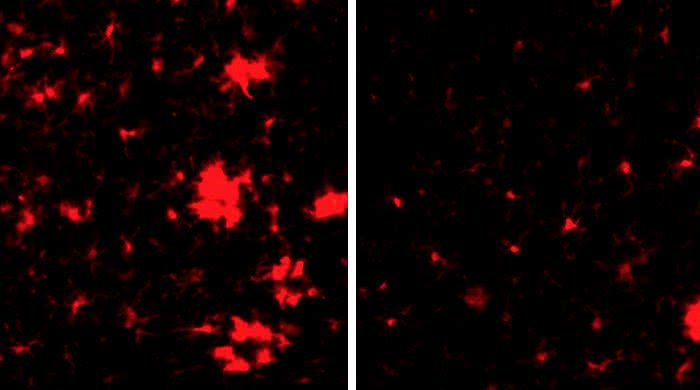
In some people whose cognitive functions are weakened due to Alzheimer’s, the disease can be traced back to changes in the brain’s blood vasculature. Scientists have found that a protein involved in blood clotting and inflammation might offer a potential path to new drugs.

"David's integrity, strength, wisdom, and judgment—and especially his unequivocal commitment to excellence—shaped the University and made it the powerhouse of biomedical discovery it is today," said Russell L. Carson, chair of the Board, and Richard P. Lifton, president, in a statement.
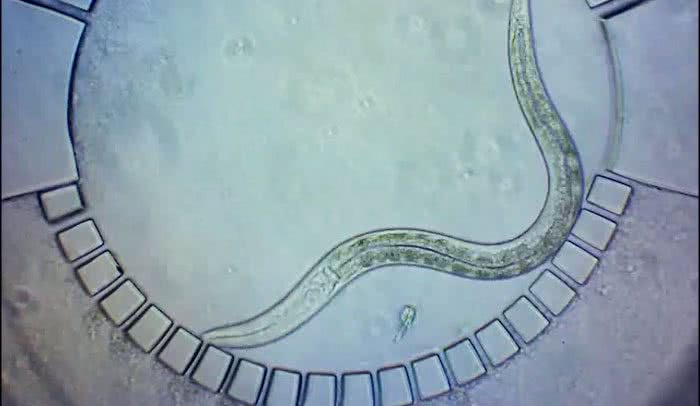
Two new technologies are helping scientists understand new aspects of organ and nervous system development in C. elegans. One allows them to image worms developing in a natural environment, while the other makes it possible to track single neurons as the worms grow.

There are more than 25 drugs to control HIV, yet the virus remains one of the world’s biggest health problems. One of the many challenges with existing therapies is that a dormant version of the virus is always lurking in the background, ready to attack the immune system as soon as treatment is i...