More than 350 high school students from across the tri-state area attended this year’s event where Kronauer shared how ants can help answer questions about the principles that govern life.
Medical science is holding its breath. For decades, the most it could do for people with HIV was to prevent them from dying of AIDS. Now, new therapies are raising hopes for something more: a world in which the virus will no longer cause suffering or fear.
Bacteria use a multifaceted immune response to get rid of invading DNA. In a new study, researchers identify an enzyme that can destroy foreign genetic material capable of evading a microbe’s first line of defense.
Over 230 attendees from across the country came to campus to learn about a range of topics, such as the federal budget, international science diplomacy, science advocacy, science communication, and careers in science policy.
DNA’s two strands must be separated before its code can be read, or transcribed. By studying the structure of the enzyme RNA polymerase, researchers have elucidated how DNA unwinds and becomes legible.
Attallah Kappas, professor emeritus at The Rockefeller University and physician-in-chief emeritus at The Rockefeller University Hospital, died December 18, 2018 at the age of 92. Kappas was a leading authority in diseases related to liver function and metabolism and in the development of diagnost...
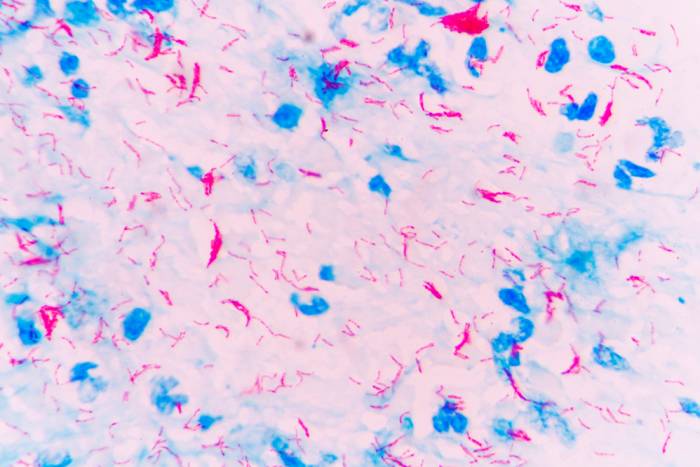
Scientists discovered a genetic variant that greatly increases a person’s likelihood of developing tuberculosis. Their research elucidates how this mutation affects the immune system, and points to a possible treatment for people with the disease.