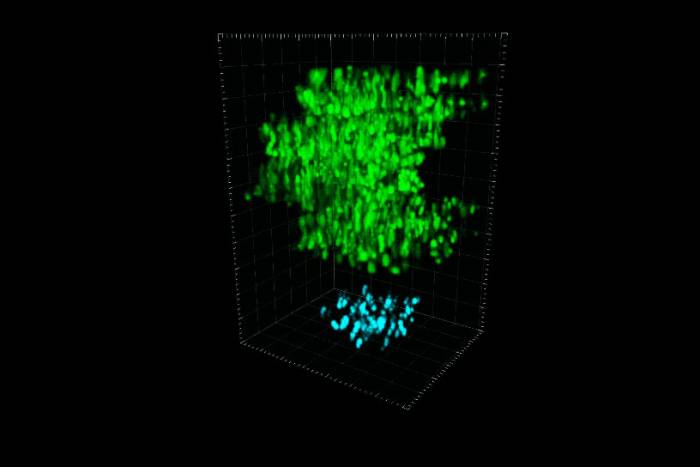
Using new imaging technology, researchers can now record the activity of large populations of brain cells with unprecedented speed, and at new depths.

Recent research has shown that a drug known as MI-2 can kill cells that cause a fatal brain cancer. But only now have scientists been able to explain how the compound works: by targeting cholesterol production in tumors.

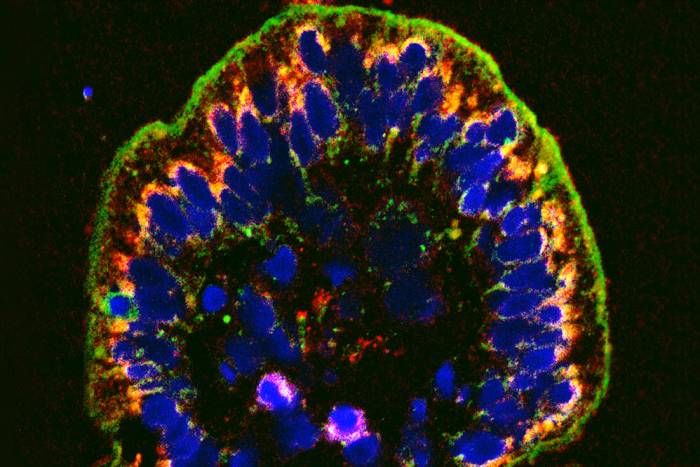
Researchers have discovered a new compound that helps fortify the intestine's inner lining, which becomes porous in inflammatory bowel diseases.  

Studying a brain region involved in memory, researchers discovered a set of neurons that help mice control their appetite.

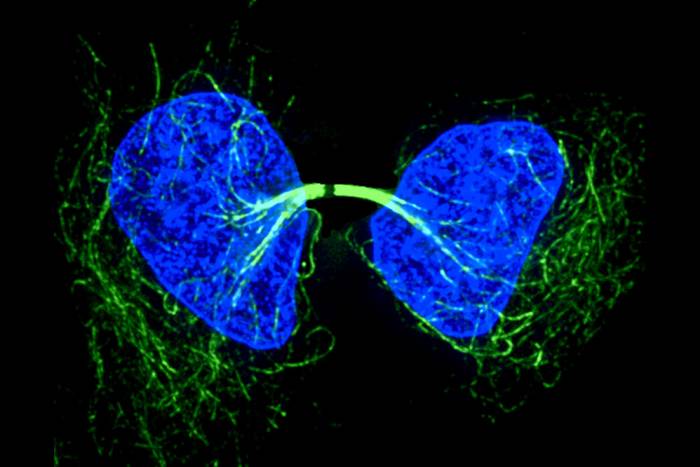
Scientists still have a lot to learn about the processes that trigger cell division, partly because they happen so quickly. A new chemical probe will make it possible to capture the workings of one of the key players.

The author of The Emperor of all Maladies, a best-selling book about cancer, will be presented with Rockefeller’s science writing award at a free, public ceremony on Rockefeller's campus next month.

Some cancers have been traced to changes in histones, proteins responsible for packaging DNA and regulating genes. Now, research from Rockefeller scientists shows that, among tumors, mutations to these proteins are a lot more common than previously suspected.
For the brain, seeing a face is very different from seeing a teacup. In studying a mysterious ailment, face blindness, scientists are getting a rare glimpse into the biology of the mind.

A move to Columbia University will provide a new home for ADARC, which for many years has occupied laboratories in a city-owned building on First Avenue.

The temporary certificate of occupancy from the New York City Department of Buildings is a close-to-last step in the expansion of the university’s campus over the FDR Drive.