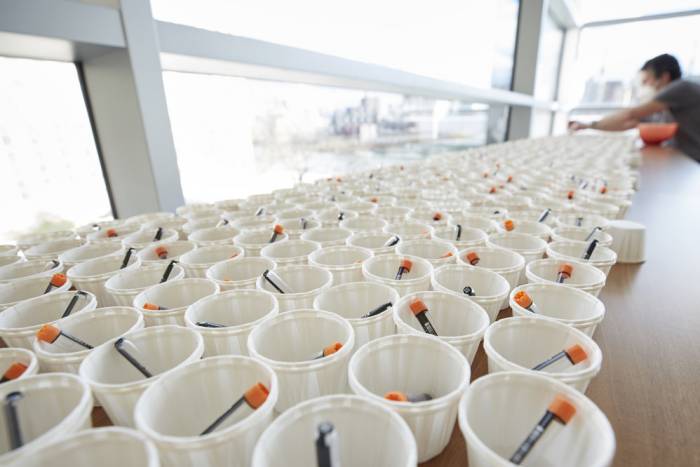
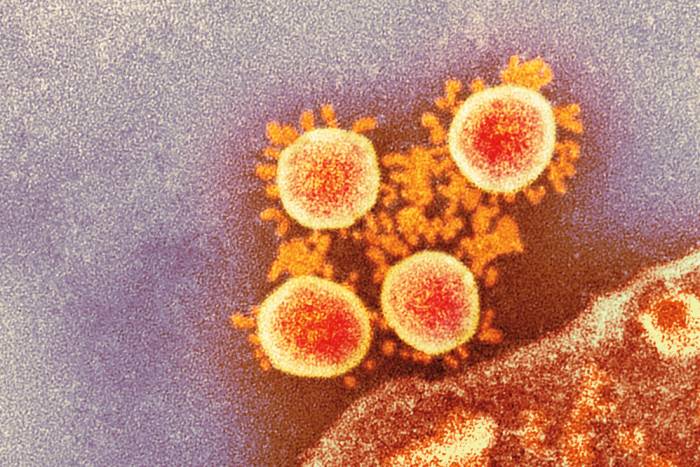
The DRUL saliva assay is safer, more comfortable, and less expensive than comparable COVID screening tools. Now a new study demonstrates that it is at least as sensitive as swab tests, too.
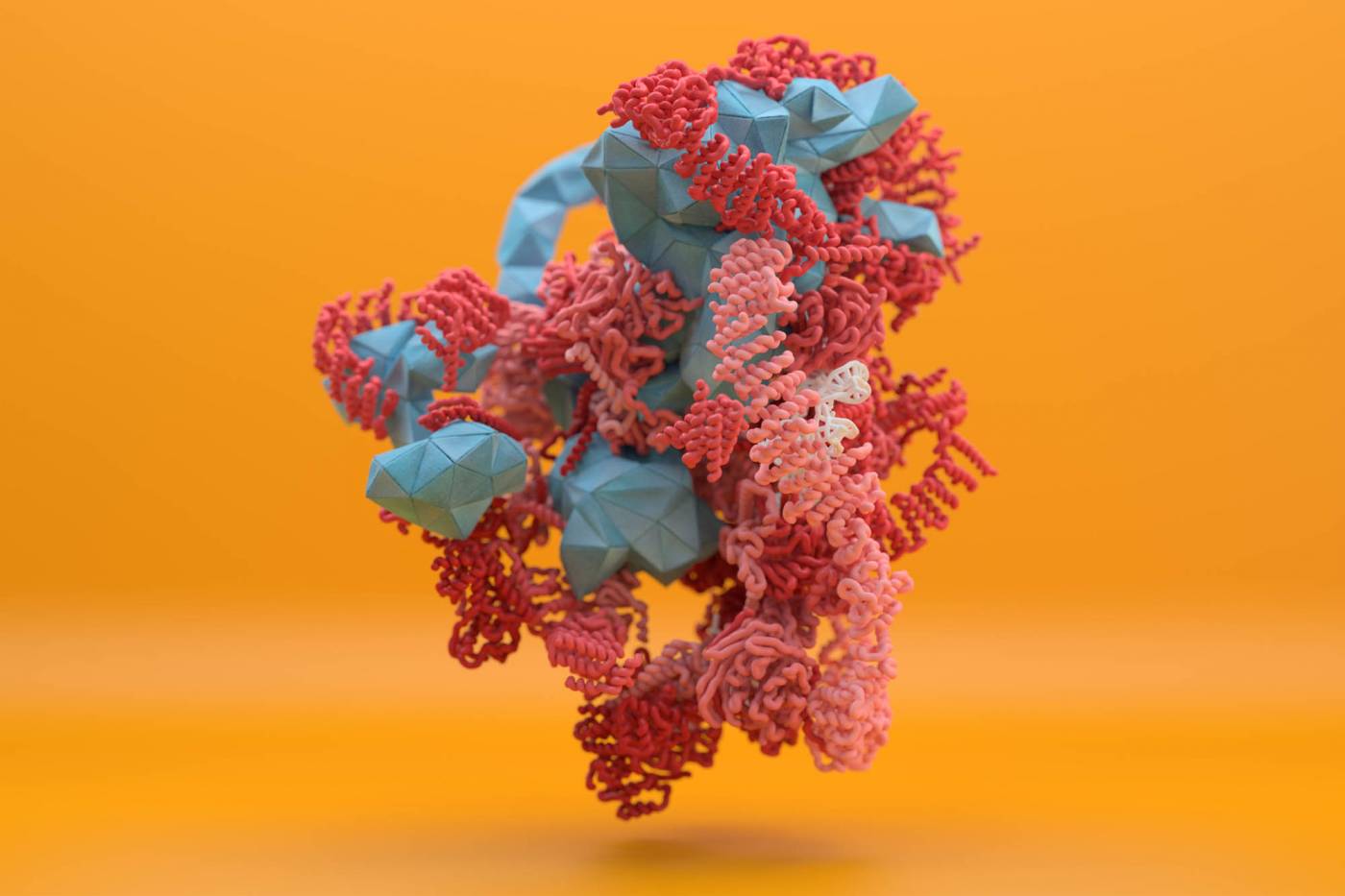
Three-dimensional images of human small ribosomal subunits offer the most detailed explanation for how the cell's protein-making machines are assembled.
Guido Guidotti, who made contributions to biochemistry and performed pioneering work during his study in the lab of Lyman Craig, has died at the age of 87.
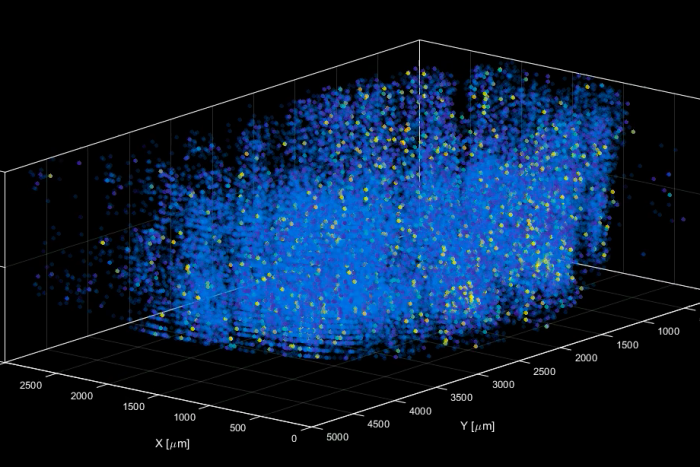
Using light beads microscopy, researchers can now capture images of a vast number of cells across different depths in the brain at high speed, with unprecedented clarity.
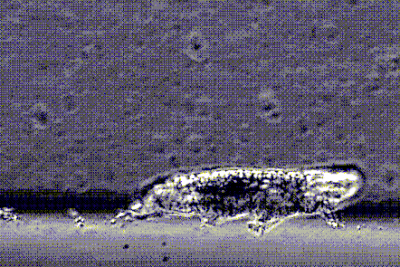
Animals as small and soft as tardigrades seldom have legs and almost never bother walking. But a new study finds that water bears propel themselves through sediment and soil on eight stubby legs, in a manner resembling that of insects 500,000 times their size.
People who recover from COVID-19 may have better protection than those who received a vaccine, but the benefits of natural immunity do not outweigh the very real risk of disability and death from contracting the disease.
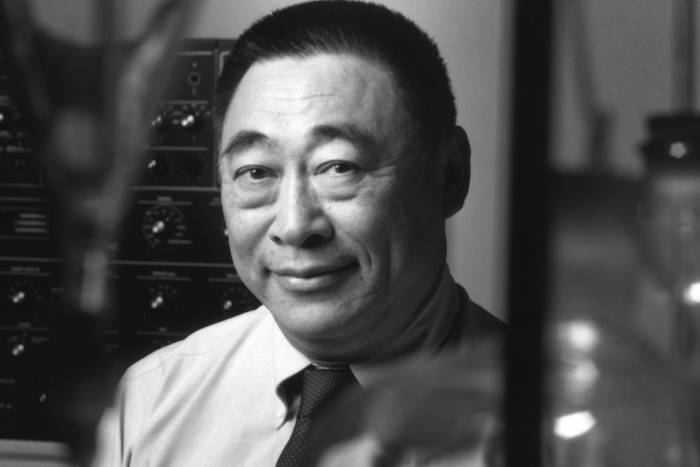
Te Piao King, a Rockefeller biochemist whose pioneering research greatly advanced the science and treatment of allergic reactions, died August 18 at the age of 90.
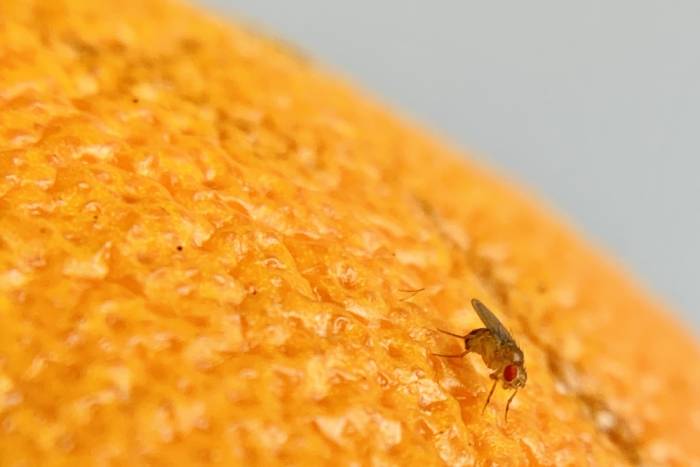
If COVID-19 lockdowns scrambled your sleep schedule and stretched your waistline, you're not alone. Fruit flies quarantined in test tubes sleep too little and eat too much after only one week of social isolation.