Vosshall is recognized for her pioneering studies of the mosquito Aedes aegypti, which transmits pathogens causing human diseases including dengue, Zika, chikungunya, and yellow fever.
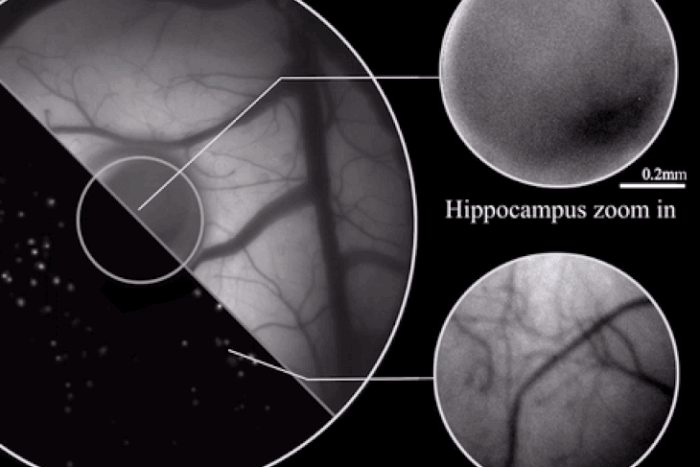
With a new microscope that's as light as a penny, researchers can now observe broad swaths of the brain in action as mice move about and interact with their environments.
Since first detected in birds in 2021, avian flu has killed millions of poultry and infected animals once thought to be immune. What early warning signs could point to an increasing risk for humans?
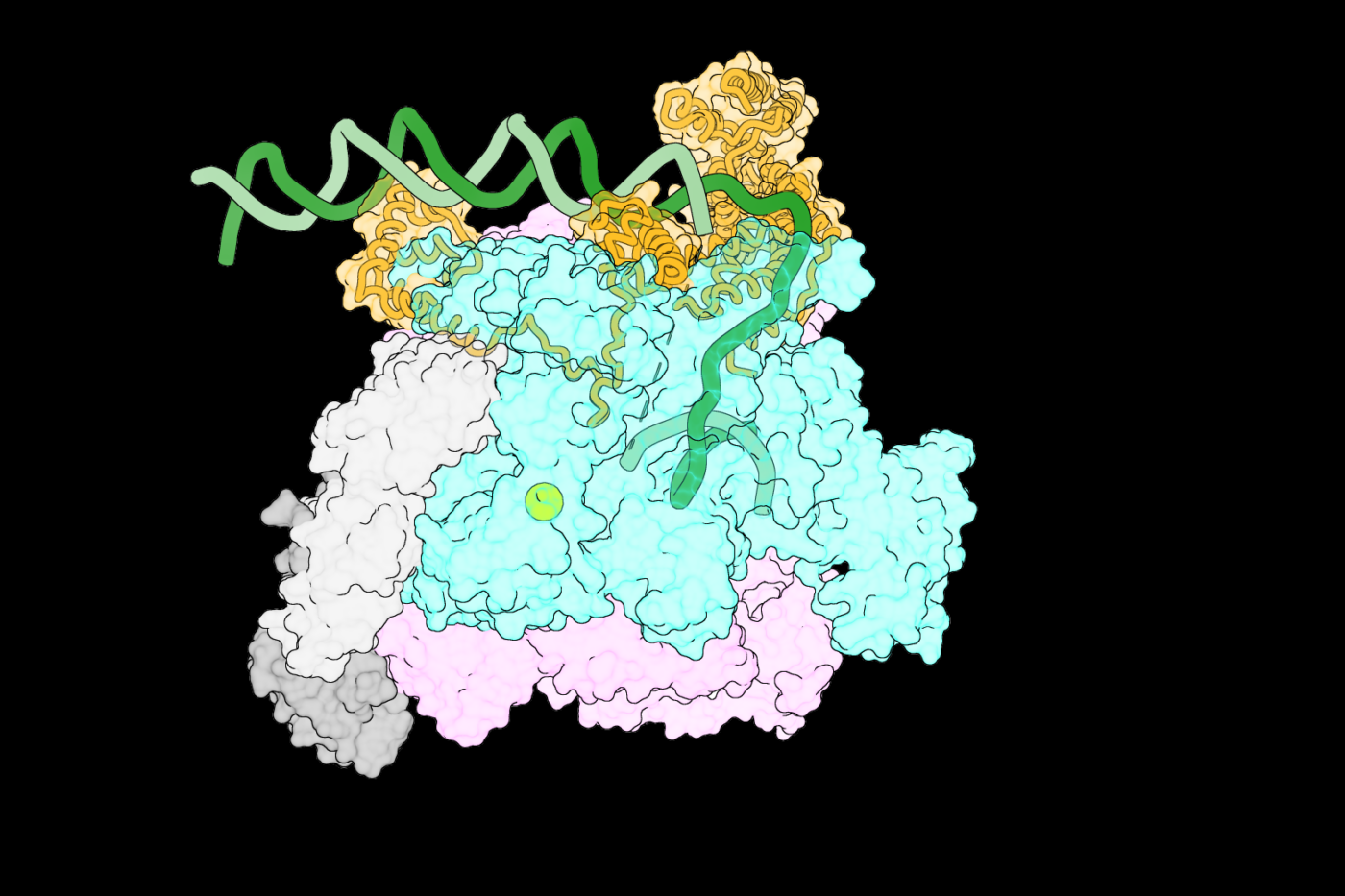
New findings describe how the enzyme CST is recruited to the end of the telomere, where it maintains telomere length with the help of subtle chemical changes made to the protein POT1.