People with brown fat tissue tend to burn calories more quickly, but do they also enjoy better health? Now the largest study of its kind shows that brown fat is indeed linked to reduced risk of heart disease, type 2 diabetes, and several other conditions.

This year's scientific endeavors included multiple attacks on SARS-CoV-2—and a lot more. Here are the most memorable science stories to come out of Rockefeller labs, from cracking the code behind specific skin cancer subtypes to understanding what goes on inside a fish brain.

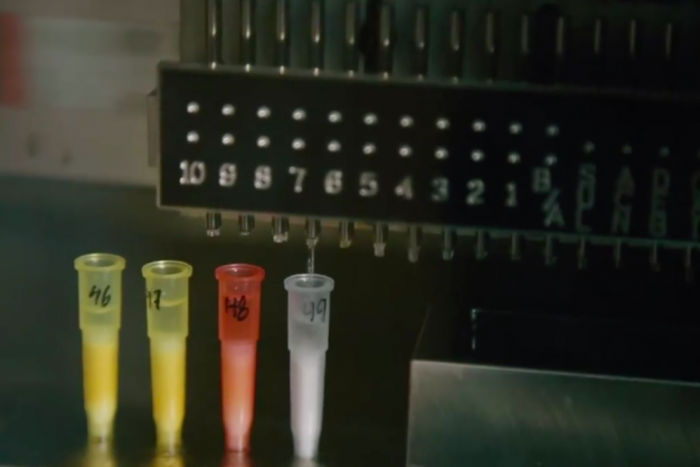
Scientists are digging through drug libraries of 430,000 compounds, in pursuit of an antiviral drug that can stop the novel coronavirus in its tracks.

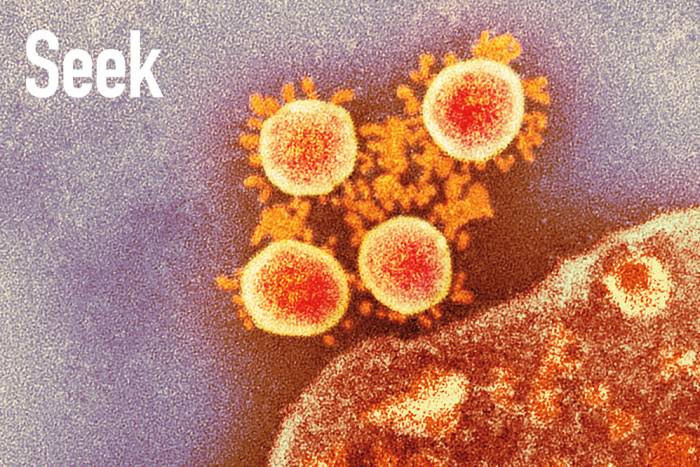
Scientists developed a method to safely examine the ability of SARS-CoV-2 to escape future drugs or vaccines by mutating. Their initial results are reassuring.

Royalty Pharma and The Rockefeller University announced generous gifts totaling $5,760,000 from Royalty Pharma and Pablo and Almudena Legorreta.

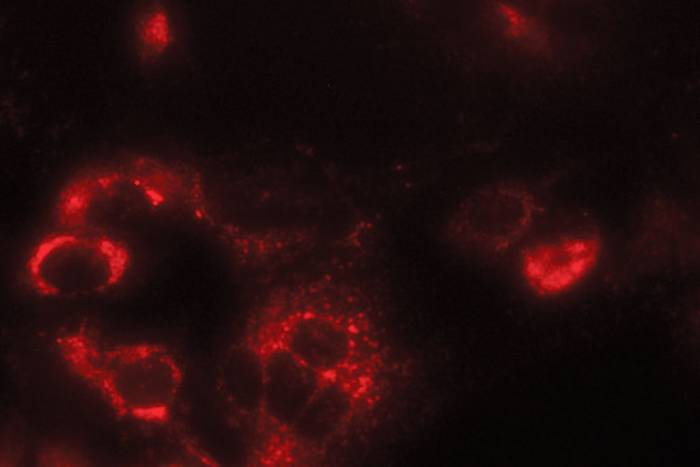
The virus must hijack a more than a hundred human proteins to replicate inside a cell. One of them stands out because it is an absolute requirement for infection by four different coronaviruses as well as by viruses that cause Zika, yellow fever, and other diseases.

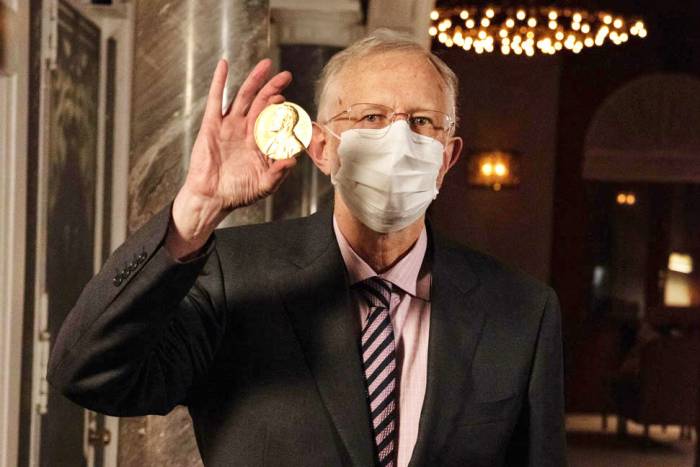
Rice was honored for research that contributed to a cure for hepatitis C. He accepted the Nobel medal and diploma at the Swedish Consulate in New York City.

Caskey, a clinician in the lab of Michel Nussenzweig, has spent the last decade working on clinical studies of experimental immune-based vaccines and therapies.

The $675 million Campaign for the Convergence of Science and Medicine, launched July 1, 2019, aims to fulfill the priorities identified in the university’s 2020-2024 strategic plan.

Unlike most humans, bats are naturally resistant to coronavirus infection. Researchers are now searching their genomes for clues that might explain why SARS-CoV-2 can cause devastating disease in our own species.