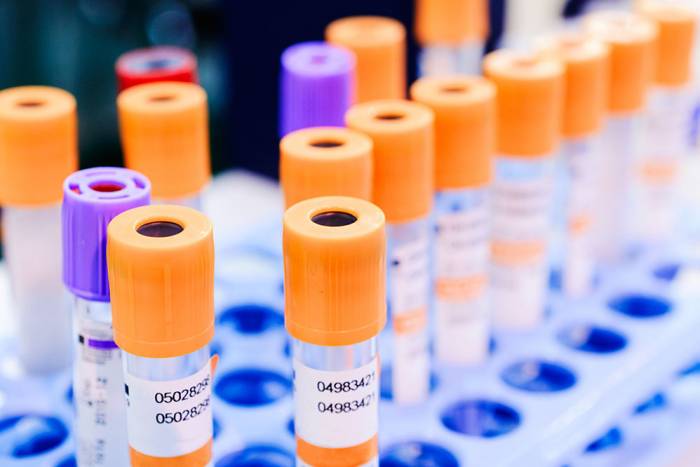
Scientists have found a new way to trawl blood samples for snippets of RNA released by tumors or diseased organs. The method might eventually help doctors diagnose and track a wide range of medical conditions.
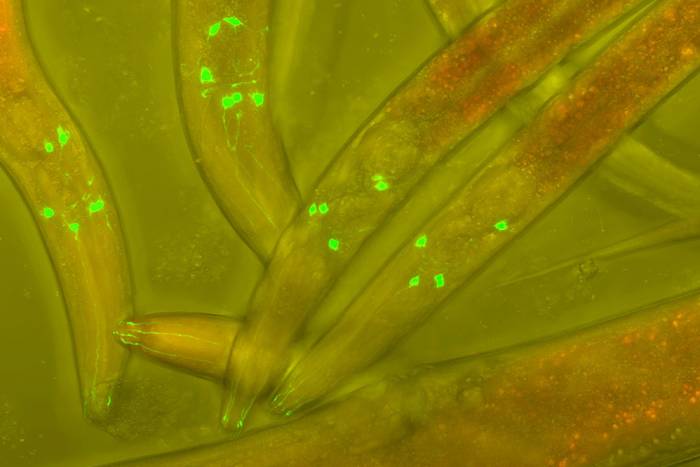
Researchers have uncovered the genetic factors that make some people susceptible to Whipple's disease, an intestinal inflammatory disorder that causes diarrhea, pain, and weight loss.
Detailed structural images reveal how an ion channel helps curtail a neuron’s firing. The work has relevance for diseases in which this molecule malfunctions.
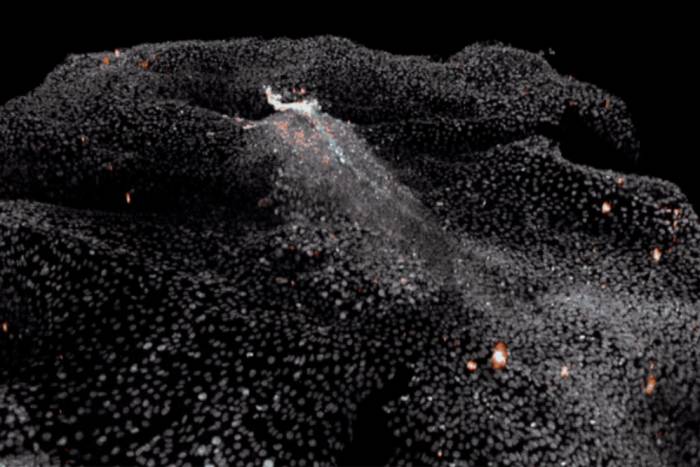
For the first time, scientists have shown that a small cluster of cells in the human embryo dictates the fate of other embryonic cells. The discovery of this developmental “organizer” could advance research into many human diseases, and it suggests we have more in common with birds than meets the...
Maimon, who studies cognition and decision-making, and Marraffini, who studies the bacterial defense system CRISPR-Cas, are among 19 scientists nationwide to receive this designation.