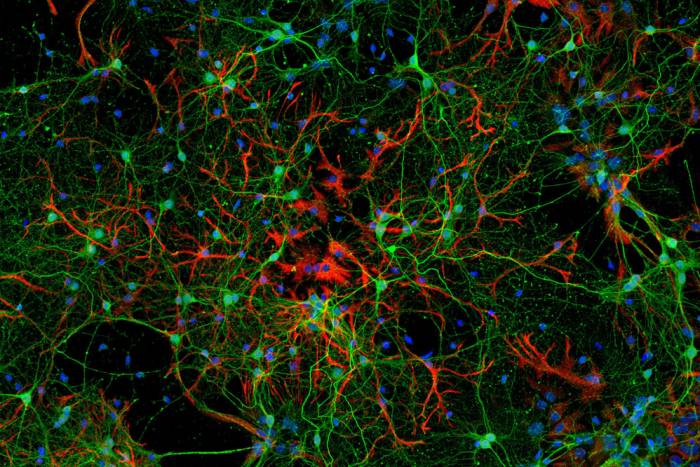
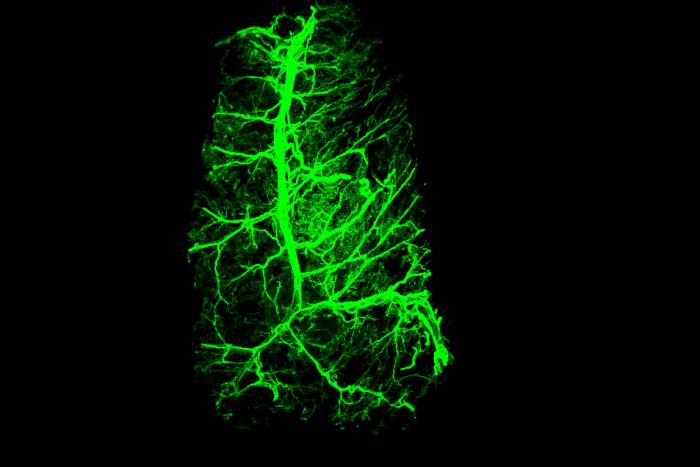
Scientists have outlined a molecular program by which serotonin reuptake inhibitors reshape the brain to alleviate depression. Their findings provide clues for how to make better and faster-acting versions of these drugs.
Cells—and the molecules inside them—are always on the move. They’re being tugged at, prodded, reshuffled. Behind these actions are tiny forces that, after decades of neglect, are emerging as the next big thing in biology.
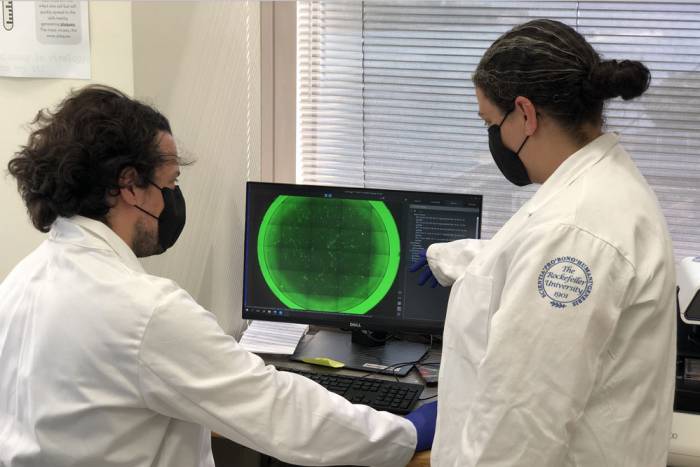
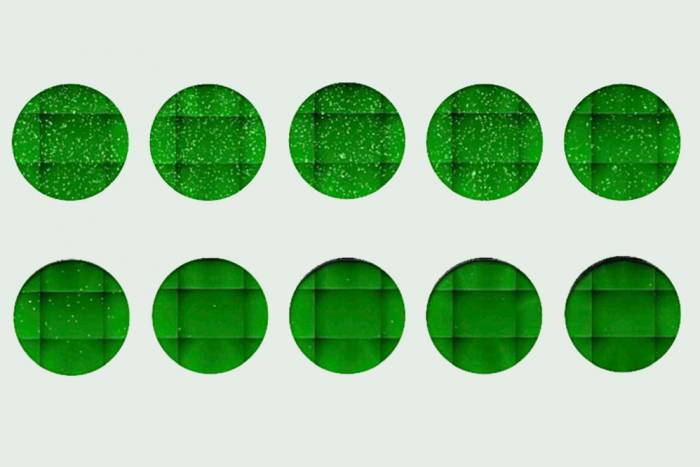
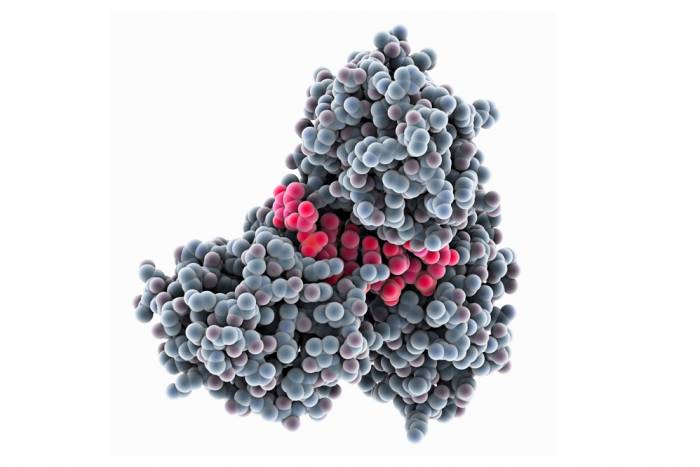
Scientists hope to deploy antibodies in the quest to end COVID-19. A recent study moves them closer to accomplishing a key step: finding out if the virus may acquire resistance to antibody-based drugs or vaccines, and how to potent...
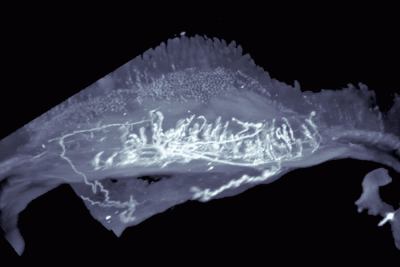
Scientists have found that a hormone tells the brain to dramatically restructure neurons embedded in fat tissue. Their work widens our understanding of how the body regulates its energy consumption, and how obesity might be treated in the future.
A genomics study has identified a previously unknown cell type whose blood levels tend to rise and fall in patients with rheumatoid arthritis. The findings could make it easier to manage the disease and help scientists understand its root causes.