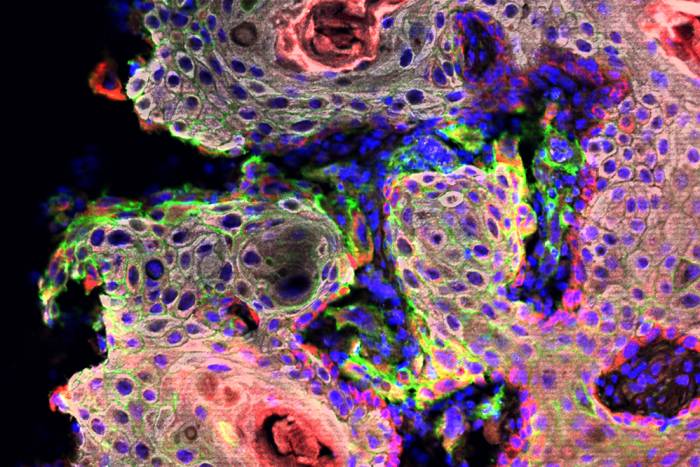
Scientists have discovered a curious phenomenon taking place in mouse skin: cells compete with one another for the chance to develop into mature tissue. The findings indicate that this antagonism is key to creating healthy skin.

Rockefeller scientists have identified a genetic condition that makes people prone to developing tuberculosis. In a British population, they found that the condition underlies one percent of cases of the disease—a finding that may ultimately lead to new treatment options.

Scientists have found that small genetic differences can cause the same gut microbe to behave differently in different people, and affect the overall health of their human hosts.

Studying microscopic worms, Rockefeller scientists have identified a brain circuit that drives repetitive behavior—providing potential clues for understanding some human psychiatric conditions.

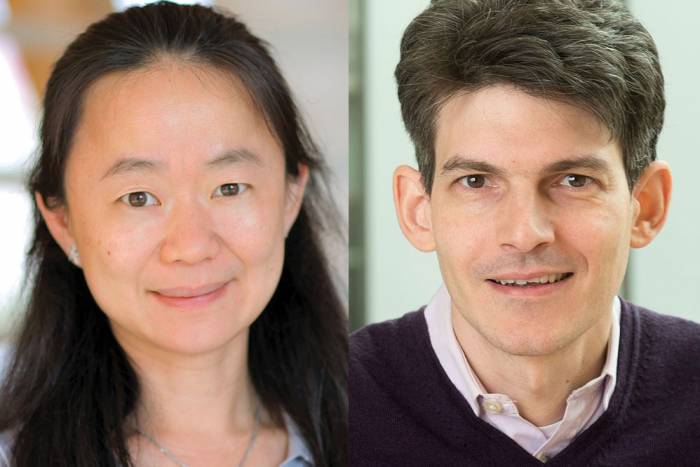
Election to the National Academy of Sciences is one of the most prestigious honors a scientist can receive; including Chen and Marraffini, the number of current Rockefeller scientists who are members of the elite organization stands at 38, or nearly half the faculty.
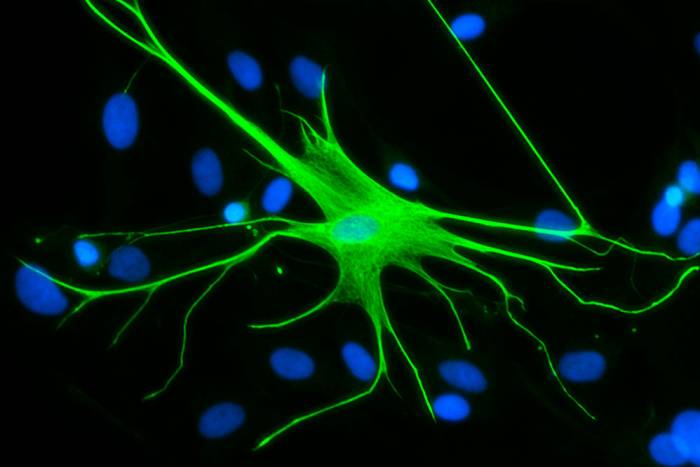
Therapeutics has gone underground. From one bag of soil, chemists can now procure millions of microbial molecules. Any one could be tomorrow’s lifesaving medicine.

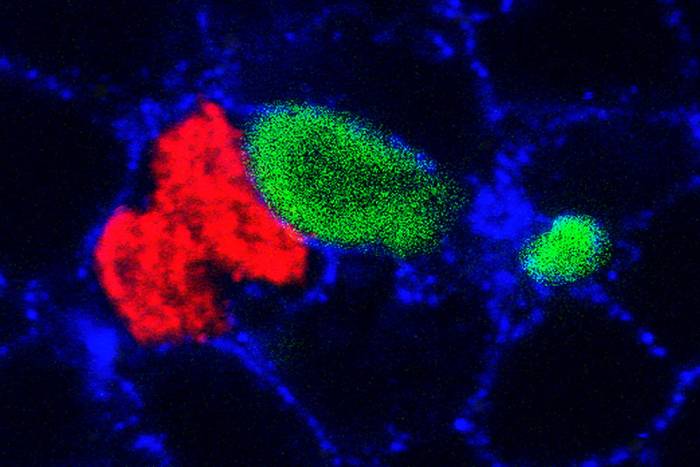
In many cancer patients who have been treated with immunotherapy, the tumor comes back. New research identifies the cells responsible for thwarting the treatment and offers new insights into how they do it.

Researchers successfully modified immune cells to produce antibodies that fight HIV. This strategy could eventually be used to develop a vaccine against the virus, among other conditions.

This year’s show featured portraiture, travel photography, collage, and other mediums.

Greengard revolutionized our understanding of how brain cells communicate with each other and contributed to major advances in the treatment of a wide range of neurological and psychiatric diseases. He died April 13 at the age of 93.