In response to the Russian invasion of Ukraine on February 24, 2022, Rockefeller University President Richard P. Lifton today released the following statement: The Rockefeller University is a vibrant, international community. Our scientists, students, and staff come from all over the world, inclu...

Read the letter signed by 168 Nobel Prize winners, including five Rockefeller scientists.

One of only a handful of laboratory settings in New York City to receive the designation, the new river campus is recognized for its numerous energy efficient features.

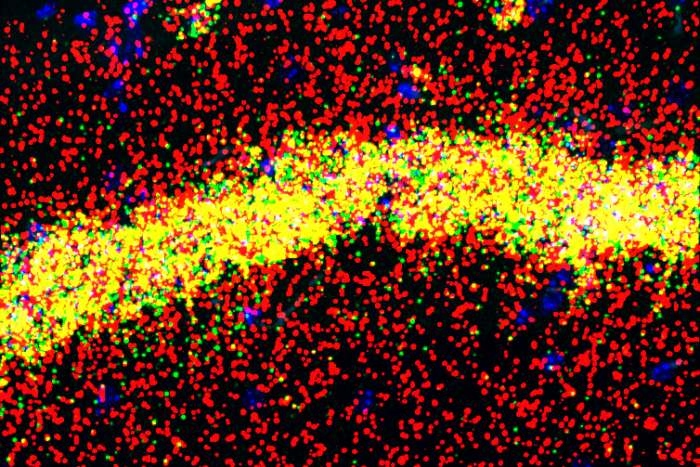
FMRP, a protein whose loss causes intellectual disability, may regulate a neuron's synaptic response by establishing a feedback loop between the cell's nucleus and its faraway dendrites.

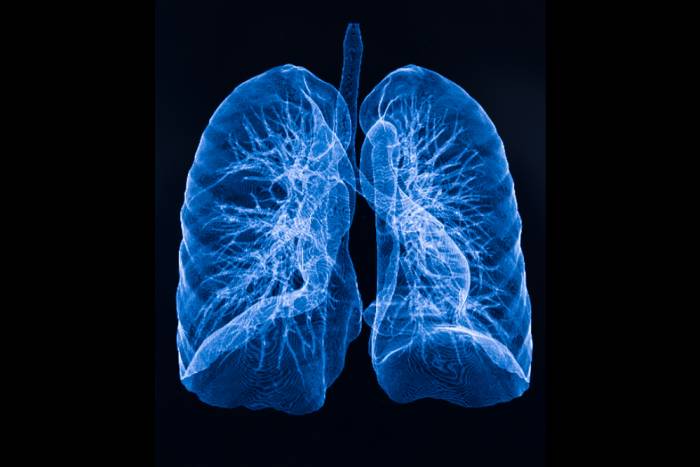
Protein folding diseases, from Alzheimer's to Gaucher's, may one day be treated by a unique class of protein corrector molecules that are already helping manage cystic fibrosis.  

Rockefeller’s Information Security team has implemented one of the most substantial upgrades in its history. As backend protections are strengthened, community members also have a critical role to play.

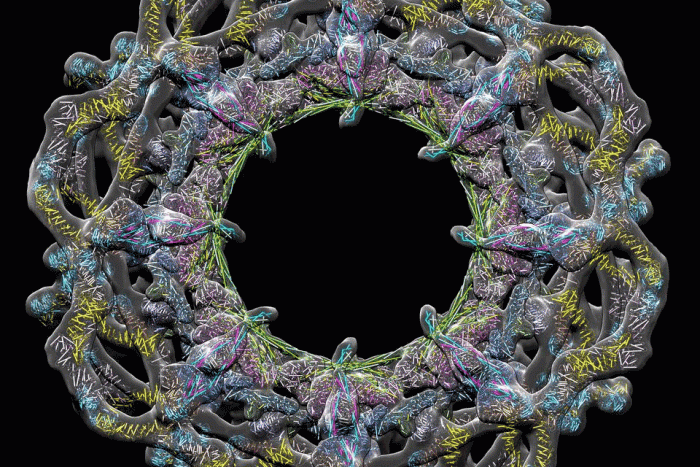
The findings, which may have implications for a wide range of human diseases, suggest that nuclear pore complexes vary in structure and function even within a single nucleus.

Increasingly, hospitalized patients contract infections that evade current antibiotics including colistin, long used as a last treatment option. The discovery of a new colistin variant might make it possible to outmaneuver these pathogens.

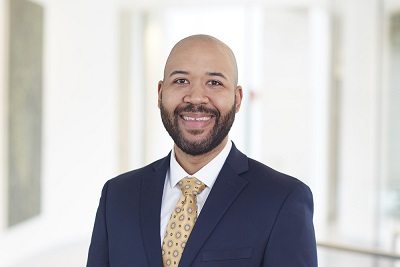
Murray will become Rockefeller’s inaugural chief diversity officer and vice president for diversity, equity, and inclusion on January 10.

This year's scientific endeavors included multiple attacks on SARS-CoV-2—and a lot more. Here are the most memorable science stories to come out of Rockefeller labs in 2021, from the benefits of brown fat to the pitfalls of modern IVF screening techniques.