Comparative Bioscience Center: advancing responsible and collaborative in vivo research
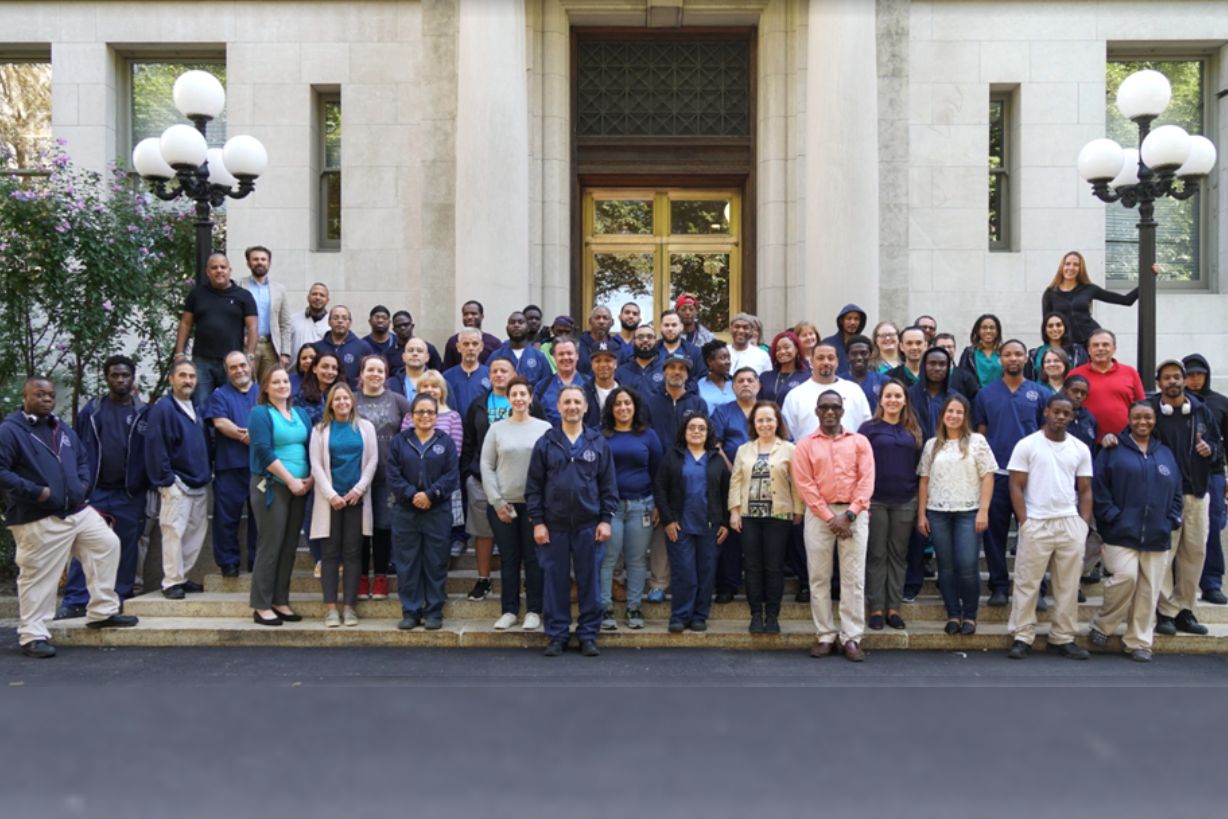
The CBC team
The Comparative Bioscience Center (CBC) at the Rockefeller University plays a vital role in ensuring that discoveries move responsibly from the lab to living systems. Combining scientific expertise, advanced technologies, and a commitment to animal welfare, the CBC helps researchers design, conduct, and interpret in vivo studies to the highest scientific and ethical standards.
“Our mission is to support world-class science while ensuring the highest standards of animal welfare,” says Leslie Diaz, Director of Veterinary Services at the CBC. “We work hand in hand with investigators—helping design experiments, identify the best animal models, and provide the technical expertise that makes in vivo research both rigorous and ethical.”
Supporting Investigators Through Collaboration
Collaboration is at the core of the CBC’s mission. Investigators receive guidance from veterinarians, technicians, and animal care specialists—from study design and model selection to refinement of experimental approaches. The CBC also provides structured training for new in vivo researchers, ensuring that emerging scientists gain the technical skills and ethical foundation needed for responsible animal research.
For the Laboratory of Metabolic Regulation and Genetics, collaboration with the CBC proved transformative.
Dr. Timothy Kenny explains that his lab focuses on how mammalian metabolism is fueled and regulated through networks of chemical reactions. “We had developed strong expertise in isotope-labeled metabolite tracing in cell cultures,” he says, “but when we began exploring in vivo isotope tracing in awake, freely moving mice—a method requiring catheter implantation—we faced a steep learning curve.”
With guidance from Dr. Catalina Echeverri at the CBC, the team learned the surgical technique, starting with rats and progressing to mice. “Today, we routinely perform these surgeries in the Birsoy laboratory,” Kenny adds. “This collaboration with the CBC unlocked new areas of investigation for our group.”
Expanding Expertise Through Integrated Support
Behind every successful in vivo study at Rockefeller is a network of specialized expertise. The CBC team manages colony and experimental logistics, coordinating rodent breeding, genotyping, and study setup aligned with project timelines. Their attention to animal well-being ensures that each experiment meets the highest ethical and scientific standards.
To support advanced experimentation, the center offers imaging and analytical resources such as ultrasound, bioluminescence, and fluorescence imaging; radiology; and irradiation platforms, along with a dedicated behavior core.
Integrated with the Laboratory of Comparative Pathology, the CBC provides histology and expert phenotyping, helping researchers interpret findings in biological context and transform technical results into scientific insight.
Advancing Discovery Responsibly
Animal research carries a profound responsibility. The CBC ensures that every study conducted at Rockefeller adheres to rigorous standards of humane care. With oversight from experienced veterinarians and animal care specialists, the center maintains best practices in animal welfare ensuring that scientific progress proceeds hand in hand with ethical responsibility.
“As our research community continues to evolve, so does the CBC,” says Dr. Ravi Tolwani, Associate Vice President at the CBC. “We continue to refine how we train, collaborate, and innovate—so that every investigator at Rockefeller can pursue discovery with confidence, compassion, and scientific rigor.”
To learn more about the Comparative Bioscience Center and its services, visit https://cbc.rockefeller.edu/
To read more news about the Scientific Resource Centers, visit the Resource Center News page.